
⏱️ 7 min read
Top 10 Traditional Dishes from Around the Globe
Food serves as a universal language that transcends borders, telling stories of culture, history, and tradition. Every corner of the world boasts its own culinary masterpieces, developed over centuries and passed down through generations. These traditional dishes not only satisfy hunger but also preserve cultural identity and bring communities together. From the spicy curries of Asia to the hearty stews of Europe, traditional cuisine offers a window into the soul of a nation. This exploration of ten iconic dishes from different continents showcases the incredible diversity of global gastronomy and the unique ingredients, techniques, and flavors that define each culture’s culinary heritage.
1. Paella (Spain)
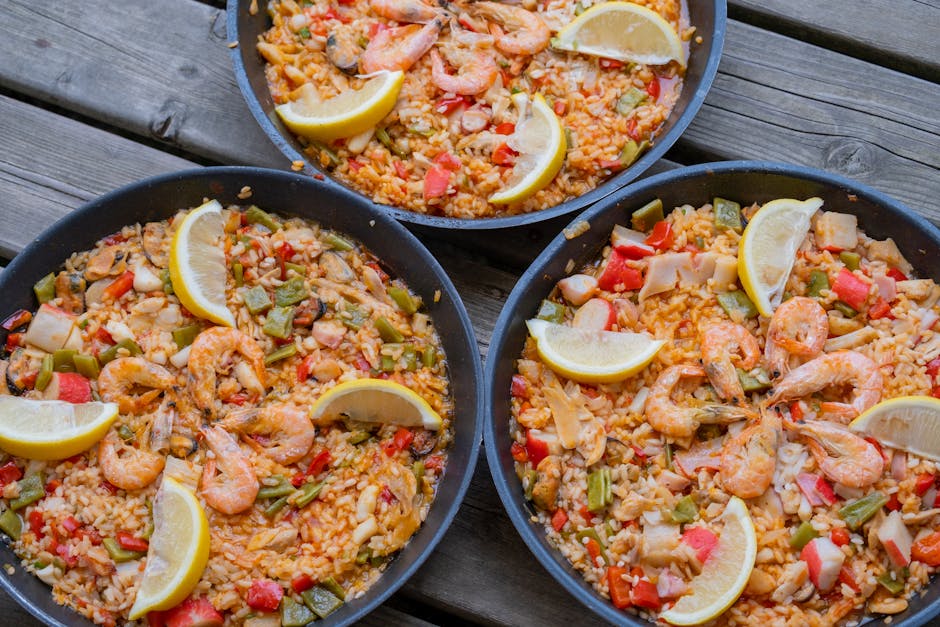
Hailing from the Valencia region of Spain, paella is a vibrant rice dish that has become synonymous with Spanish cuisine worldwide. This iconic one-pan meal traditionally combines short-grain rice with saffron, giving it a distinctive golden color and aromatic flavor. The classic Valencian paella features chicken, rabbit, and local beans, though seafood versions have gained immense popularity along coastal regions. The dish is cooked in a wide, shallow pan called a paellera, which allows the rice to develop a coveted crispy bottom layer known as socarrat. Paella represents the communal spirit of Spanish dining, often prepared for family gatherings and celebrations, embodying the Mediterranean lifestyle of sharing food with loved ones.
2. Sushi (Japan)
Sushi stands as one of Japan’s most celebrated culinary exports, representing centuries of refinement and precision. This traditional dish consists of vinegared rice combined with various ingredients, most commonly raw fish, vegetables, and seaweed. Originating as a preservation method in Southeast Asia, sushi evolved in Japan into an art form requiring years of training to master. The most common varieties include nigiri (hand-pressed rice topped with fish), maki (rolled sushi), and sashimi (sliced raw fish without rice). Beyond its exquisite taste, sushi embodies Japanese values of simplicity, seasonality, and respect for ingredients. The preparation demands meticulous attention to detail, from the temperature of the rice to the angle of the knife cut, making it a true testament to Japanese culinary philosophy.
3. Tacos (Mexico)
Tacos represent the heart and soul of Mexican street food culture, with origins dating back to ancient Mesoamerican civilizations. These versatile handheld meals consist of a tortilla, traditionally made from corn or wheat, filled with an endless variety of ingredients. Classic fillings include carne asada (grilled beef), al pastor (marinated pork), carnitas (slow-cooked pork), fish, and vegetarian options like nopales (cactus). The beauty of tacos lies in their customization, with toppings such as fresh cilantro, onions, lime, salsa, and guacamole allowing each person to create their perfect combination. Regional variations across Mexico showcase local ingredients and cooking methods, making tacos a dynamic representation of the country’s diverse culinary landscape and indigenous heritage.
4. Couscous (North Africa)
Couscous holds a special place in North African cuisine, particularly in Morocco, Algeria, and Tunisia, where it serves as a staple food and cultural symbol. These tiny steamed balls of semolina wheat are traditionally prepared in a special pot called a couscoussier, which allows the grains to steam above a flavorful stew. The dish typically features vegetables, chickpeas, and meat such as lamb or chicken, all seasoned with aromatic spices like cumin, coriander, and cinnamon. Couscous preparation is often a communal activity, with families gathering on Fridays for this traditional meal. UNESCO recognized couscous as an Intangible Cultural Heritage, acknowledging its significance in bringing communities together and preserving ancestral culinary knowledge across generations.
5. Pad Thai (Thailand)
Pad Thai emerged as Thailand’s national dish in the 1930s and has since become one of the most recognized Thai foods globally. This stir-fried noodle dish masterfully balances the four fundamental flavors of Thai cuisine: sweet, sour, salty, and spicy. Rice noodles are wok-fried with eggs, tofu or shrimp, bean sprouts, and garlic chives, then seasoned with tamarind paste, fish sauce, palm sugar, and chili peppers. The dish is garnished with crushed peanuts, lime wedges, and fresh herbs, offering a complex interplay of textures and tastes. Pad Thai’s popularity stems from its perfect harmony of flavors and its representation of Thai street food culture, where skilled vendors create this beloved dish on bustling sidewalks throughout the country.
6. Moussaka (Greece)
Moussaka stands as a cornerstone of Greek cuisine, representing the rich flavors of Mediterranean cooking. This layered casserole combines sliced eggplant, spiced ground meat (typically lamb or beef), and a creamy béchamel sauce, baked to golden perfection. The dish also incorporates tomatoes, onions, garlic, and aromatic herbs like cinnamon and oregano, creating a complex flavor profile. While variations exist throughout the Balkans and Middle East, the Greek version with its distinctive white sauce topping has become the most internationally recognized. Moussaka requires time and patience to prepare, with each layer carefully constructed, making it a labor of love typically reserved for family dinners and special occasions in Greek households.
7. Beef Bourguignon (France)
Beef Bourguignon exemplifies the rustic elegance of French peasant cooking elevated to haute cuisine status. This traditional Burgundian stew features beef slowly braised in red wine, typically Burgundy, along with pearl onions, mushrooms, carrots, and bacon. The long, slow cooking process transforms tough cuts of meat into tender, flavorful pieces while creating a rich, velvety sauce infused with herbs like thyme and bay leaves. Originally a farmer’s dish designed to make less expensive cuts of meat palatable, Beef Bourguignon gained international fame through French culinary icons and represents the French philosophy that simple, quality ingredients prepared with care and time can create extraordinary results.
8. Biryani (India)
Biryani reigns as one of India’s most beloved and complex rice dishes, with regional variations across the subcontinent. This aromatic creation layers basmati rice with marinated meat (chicken, mutton, or goat), vegetables, and a symphony of spices including saffron, cardamom, cinnamon, and bay leaves. The dish is typically cooked using the dum method, where the pot is sealed and slow-cooked, allowing the flavors to meld perfectly. Each region of India has developed its own biryani style, from the Hyderabadi version with its distinctive spicing to the Lucknowi biryani known for its subtle flavors. Biryani’s Mughal origins and its evolution through Indian culinary history make it a testament to the country’s rich cultural tapestry.
9. Feijoada (Brazil)
Feijoada represents Brazil’s national dish and reflects the country’s colonial history and African influences. This hearty black bean stew features various cuts of pork and beef, traditionally including parts like ears, tails, and feet, though modern versions often use more conventional cuts. The beans are slow-cooked with garlic, onions, and bay leaves until creamy and rich. Feijoada is traditionally served with white rice, farofa (toasted cassava flour), sautéed collard greens, and orange slices, which help cut through the dish’s richness. This communal meal is typically enjoyed on Wednesdays and Saturdays in Brazilian restaurants and homes, representing the country’s tradition of gathering family and friends for leisurely, festive meals.
10. Pierogi (Poland)
Pierogi are traditional Polish dumplings that have become an integral part of Eastern European culinary heritage. These semicircular pockets of unleavened dough are filled with various ingredients, both savory and sweet. Classic fillings include mashed potatoes with cheese, sauerkraut with mushrooms, ground meat, and seasonal fruits like blueberries or cherries. The dumplings are typically boiled and then optionally pan-fried in butter until golden, often served with sour cream and fried onions. Pierogi hold special significance in Polish culture, particularly during Christmas Eve when traditional meatless versions are served. The preparation of pierogi often brings families together, with recipes and techniques passed down through generations, preserving cultural traditions through the simple act of making dumplings.
Conclusion
These ten traditional dishes represent just a small sampling of the world’s incredible culinary diversity, yet they demonstrate how food connects us to our heritage, geography, and communities. From Spain’s communal paella to Poland’s family-made pierogi, each dish carries stories of the people who created and perfected them over generations. These traditional foods have survived and thrived because they offer more than sustenance—they provide comfort, identity, and a tangible link to the past. As globalization continues to spread these dishes across borders, they serve as ambassadors of their respective cultures, inviting people everywhere to explore and appreciate the rich tapestry of global gastronomy. Understanding and celebrating these traditional dishes helps preserve culinary heritage while fostering cross-cultural appreciation and understanding through the universal language of food.
