
⏱️ 6 min read
Top 10 Superfoods That Boost Your Immune System
In an era where health consciousness has become paramount, understanding how to naturally strengthen our immune system through diet is more important than ever. The immune system serves as our body’s defense mechanism against infections, diseases, and harmful pathogens. While no single food can prevent illness entirely, incorporating certain nutrient-dense superfoods into your daily diet can significantly enhance your body’s natural defense capabilities. These superfoods are packed with essential vitamins, minerals, antioxidants, and other compounds that work synergistically to support immune function. Here are ten scientifically-backed superfoods that can help fortify your immune system and promote overall wellness.
1. Citrus Fruits
Citrus fruits stand at the forefront of immune-boosting foods, primarily due to their exceptional vitamin C content. Oranges, grapefruits, lemons, limes, and tangerines are all rich sources of this vital nutrient. Vitamin C increases the production of white blood cells, which are crucial for fighting infections. Since the human body doesn’t produce or store vitamin C naturally, daily consumption is essential. Adults should aim for at least 75-90 milligrams daily, which can easily be achieved through one or two servings of citrus fruits. Beyond vitamin C, these fruits also contain flavonoids and other antioxidants that provide additional immune support.
2. Red Bell Peppers
While citrus fruits often steal the spotlight for vitamin C content, red bell peppers actually contain nearly three times more vitamin C than an orange. A single cup of chopped red bell pepper provides approximately 190 milligrams of vitamin C. Additionally, red bell peppers are an excellent source of beta-carotene, which the body converts into vitamin A. This vitamin is essential for maintaining healthy skin and mucous membranes, which serve as the first line of defense against pathogens. The combination of vitamin C and beta-carotene makes red bell peppers a powerhouse for immune health.
3. Garlic
Garlic has been used for centuries across various cultures for its medicinal properties. This pungent bulb contains allicin, a sulfur-containing compound that forms when garlic is crushed or chopped. Allicin has been shown to enhance immune cell function and may help reduce the severity and duration of cold and flu symptoms. Studies have demonstrated that regular garlic consumption can reduce the frequency of common illnesses. Garlic also possesses antimicrobial and antiviral properties, making it a versatile addition to any immune-supporting diet. For maximum benefit, consume garlic raw or lightly cooked, as excessive heat can diminish its beneficial compounds.
4. Ginger
Ginger is another ancient remedy that has stood the test of time for good reason. This spicy root contains gingerol, a bioactive compound with powerful anti-inflammatory and antioxidant properties. Inflammation can suppress immune function, so ginger’s ability to reduce inflammatory responses helps the immune system operate more efficiently. Ginger has also been shown to have antimicrobial effects and may help fight various bacteria and viruses. Whether consumed fresh, dried, or as a tea, ginger can help decrease chronic inflammation and support overall immune health.
5. Spinach
Spinach earns its superfood status through its impressive nutrient profile. This leafy green is loaded with vitamin C, numerous antioxidants, and beta-carotene, all of which enhance the infection-fighting ability of immune cells. Spinach also contains folate, which helps the body produce new cells and repair DNA. The key to preserving spinach’s nutrients is to cook it as little as possible, as light cooking actually enhances vitamin A availability while preserving other nutrients. Regular consumption of spinach provides the body with essential compounds needed for optimal immune function.
6. Yogurt and Fermented Foods
The connection between gut health and immune function cannot be overstated, as approximately 70 percent of the immune system resides in the gut. Yogurt and other fermented foods like kefir, kimchi, sauerkraut, and miso contain beneficial probiotics—live bacteria that support digestive health and immune function. These good bacteria help maintain the gut barrier, preventing harmful pathogens from entering the bloodstream. Look for yogurt products labeled with “live and active cultures” and consider Greek yogurt for additional protein benefits. Regular consumption of probiotic-rich foods can enhance the body’s immune response and reduce the duration of certain illnesses.
7. Almonds
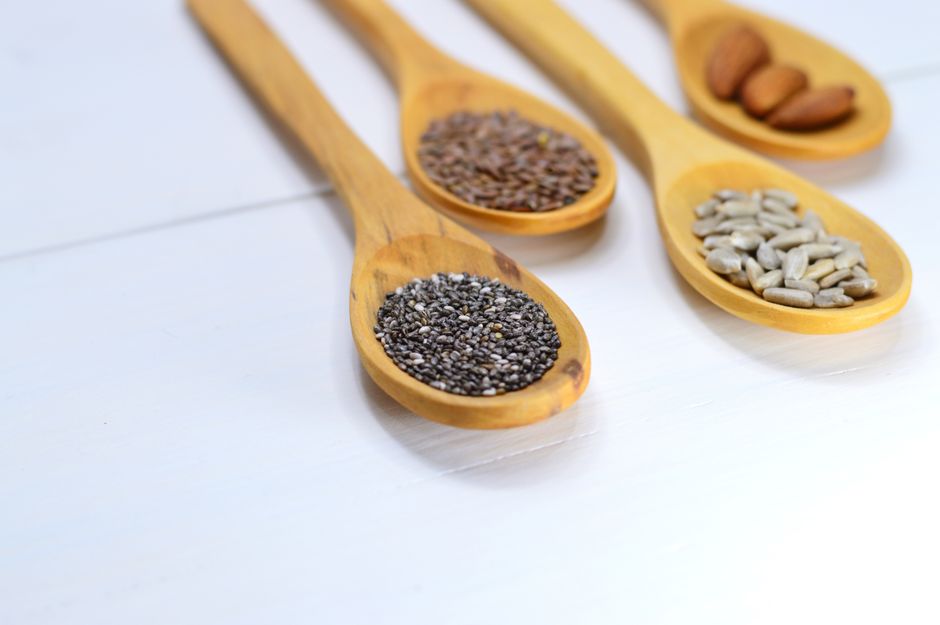
Almonds are an excellent source of vitamin E, a fat-soluble antioxidant that plays a crucial role in maintaining immune system health. While vitamin E often receives less attention than vitamin C, it is equally important for proper immune function. A half-cup serving of almonds provides nearly 100 percent of the recommended daily amount of vitamin E. This powerful antioxidant helps protect cells from oxidative stress and supports the function of immune cells. Almonds also contain healthy fats, fiber, and magnesium, making them a nutrient-dense snack that supports overall health.
8. Turmeric
Turmeric has been used in traditional medicine for thousands of years, and modern science continues to validate its health benefits. The active compound in turmeric, curcumin, possesses potent anti-inflammatory and antioxidant properties. Curcumin can enhance antibody responses and modulate immune cell function, helping the body fight infections more effectively. Chronic inflammation can weaken immune response, making turmeric’s anti-inflammatory effects particularly valuable. To enhance curcumin absorption, consume turmeric with black pepper, which contains piperine, a natural substance that increases curcumin bioavailability by up to 2000 percent.
9. Green Tea
Green tea is rich in flavonoids, particularly epigallocatechin gallate (EGCG), a powerful antioxidant that has been shown to enhance immune function. Unlike black tea, green tea is steamed rather than fermented, preserving its EGCG content. This compound has been demonstrated to improve immune cell function and may help the body fight viral infections. Green tea also contains the amino acid L-theanine, which may aid in the production of germ-fighting compounds in immune cells. Drinking several cups of green tea daily can provide consistent immune support while also offering additional health benefits such as improved metabolism and brain function.
10. Shellfish
While not commonly thought of as an immune booster, certain types of shellfish are packed with zinc, a mineral that is essential for immune cell function and cellular communication. Oysters, crab, lobster, and mussels are all excellent sources of zinc. This mineral is crucial for the development and function of immune cells, and even mild zinc deficiency can impair immune function. Adults should aim for approximately 11 milligrams of zinc daily for men and 8 milligrams for women. However, it’s important not to exceed the upper limit of 40 milligrams daily, as too much zinc can actually inhibit immune function rather than enhance it.
Conclusion
Incorporating these ten superfoods into your regular diet can significantly strengthen your immune system and enhance your body’s natural defense mechanisms. From vitamin C-rich citrus fruits and red bell peppers to zinc-loaded shellfish and probiotic-rich fermented foods, each of these superfoods offers unique compounds that support immune health. Remember that variety is key—no single food can provide all the nutrients your immune system needs to function optimally. A balanced diet featuring these superfoods, combined with adequate sleep, regular exercise, stress management, and proper hydration, creates the foundation for robust immune health. By making these nutrient-dense foods regular staples in your meals, you’re taking proactive steps toward better health and resilience against illness. Start incorporating these powerful superfoods today and give your immune system the nutritional support it deserves.
