




















1 / 20 Questions
0 Points

How many major pyramids were built in ancient Egypt?

118

138

108

128

Points won
0
Correct score
0%

More Articles

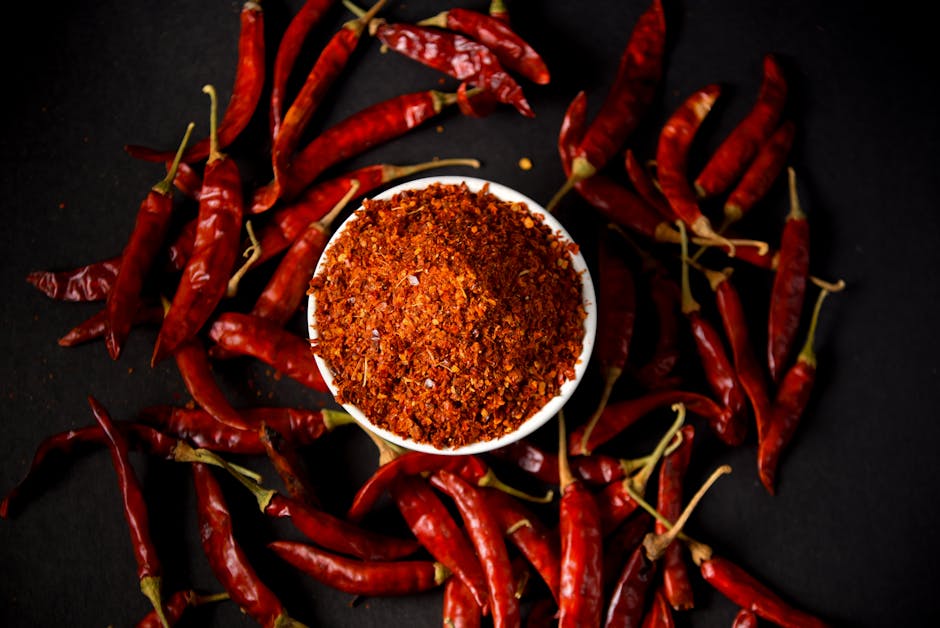
Did You Know The World’s Hottest Chili Can Kill You?

Did You Know The World’s Hottest Chili Can Kill You?

⏱️ 5 min read

Did You Know The World's Hottest Chili Can Kill You?

The world of extreme chili peppers has captured the imagination of thrill-seekers and food enthusiasts alike, with cultivators constantly pushing the boundaries of what was once thought possible in terms of heat intensity. While the idea that a chili pepper could be lethal might sound like an exaggeration, medical experts and toxicologists confirm that under certain circumstances, consuming the world's hottest chilies could indeed prove fatal.

Understanding the Scoville Scale and Extreme Heat

The Scoville Heat Unit (SHU) scale measures the concentration of capsaicin, the chemical compound responsible for the burning sensation in chili peppers. To put things in perspective, a jalapeño pepper registers between 2,500 and 8,000 SHU, while the world's hottest peppers have shattered records by reaching levels exceeding 2 million SHU. The current record holders, including Pepper X and Dragon's Breath, have been measured at astronomical levels that were deemed impossible just decades ago.

Capsaicin works by binding to pain receptors in the mouth and throat, triggering the same response as actual heat or burning. This evolutionary defense mechanism developed in peppers to deter mammals from consuming them, though it has paradoxically made them more popular among humans seeking culinary excitement.

How Super-Hot Chilies Can Cause Harm

The human body's reaction to extreme capsaicin exposure can trigger a cascade of physiological responses that, in severe cases, can become life-threatening. Understanding these mechanisms is crucial for anyone considering experimenting with ultra-hot peppers.

Cardiovascular Complications

One of the most serious risks associated with consuming extremely hot chilies is the potential for cardiovascular events. Documented cases have shown that ingesting super-hot peppers can cause:

  • Severe vasoconstriction leading to reduced blood flow to the heart and brain
  • Sudden spikes in blood pressure that can trigger strokes or heart attacks
  • Reversible cerebral vasoconstriction syndrome (RCVS), a condition that causes temporary narrowing of blood vessels in the brain
  • Coronary artery spasms that can mimic heart attack symptoms

In 2018, a notable case was published in medical journals describing a man who participated in a hot pepper eating contest and subsequently developed thunderclap headaches and RCVS. While he recovered, the incident highlighted the very real dangers these peppers pose.

Respiratory Distress

Exposure to extreme capsaicin concentrations can cause severe respiratory problems. The intense burning sensation can trigger bronchospasm, where the airways constrict dramatically, making it difficult or impossible to breathe. For individuals with pre-existing conditions like asthma or chronic obstructive pulmonary disease, this reaction could be fatal without immediate medical intervention.

Anaphylactic-Like Reactions

While rare, some individuals may experience severe allergic-type reactions to capsaicin that can include throat swelling, difficulty breathing, and dangerous drops in blood pressure. These reactions can escalate quickly and require emergency treatment.

Gastrointestinal Dangers

The digestive system is particularly vulnerable to damage from super-hot peppers. The concentration of capsaicin in record-breaking chilies can cause:

  • Severe esophageal inflammation and potential rupture
  • Gastric perforations or tears in the stomach lining
  • Uncontrollable vomiting leading to dehydration and electrolyte imbalances
  • Intestinal damage requiring surgical intervention

Medical literature has documented several cases of individuals requiring hospitalization after consuming ultra-hot peppers, with some developing conditions like Boerhaave's syndrome, a spontaneous rupture of the esophagus that carries a high mortality rate if not treated immediately.

The Role of Individual Tolerance and Risk Factors

Not everyone faces the same level of risk when consuming hot peppers. Several factors influence how dangerous these chilies can be for any given individual:

Pre-Existing Medical Conditions

People with cardiovascular disease, hypertension, respiratory conditions, or gastrointestinal disorders face significantly higher risks. The stress that extreme capsaicin exposure places on these systems can trigger acute episodes that might not occur in healthy individuals.

Age and Physical Condition

Elderly individuals and those with compromised immune systems or general poor health are more susceptible to severe reactions. Children are also at higher risk due to their smaller body mass and developing systems.

Quantity and Concentration

The amount consumed matters tremendously. While eating a small portion of a super-hot pepper might cause intense discomfort, consuming multiple peppers or concentrated capsaicin extracts exponentially increases the danger.

Safety Precautions and Medical Recommendations

Medical professionals strongly advise against consuming the world's hottest peppers, particularly in competitive eating scenarios. For those who choose to experiment despite the risks, certain precautions are essential:

  • Never consume super-hot peppers alone; ensure someone nearby can call for emergency help
  • Have dairy products readily available, as casein can help neutralize capsaicin
  • Avoid consuming these peppers on an empty stomach
  • Understand that water will not help and may spread the capsaicin further
  • Know the warning signs of serious complications, including chest pain, severe headaches, or breathing difficulties

The Bottom Line

While death from eating hot peppers remains relatively rare, the potential for fatal outcomes is very real, particularly when dealing with the world's hottest varieties. The combination of cardiovascular stress, respiratory compromise, and severe gastrointestinal damage creates a perfect storm of potential complications. What might begin as a dare or attempt to prove toughness can quickly escalate into a medical emergency requiring hospitalization. The scientific evidence is clear: the world's hottest chilies are not merely uncomfortable—they represent a legitimate health hazard that should be approached with extreme caution, if at all.


Did You Know Olympic Medals Aren’t Pure Gold?

Did You Know Olympic Medals Aren’t Pure Gold?

⏱️ 5 min read

Did You Know Olympic Medals Aren't Pure Gold?

The Olympic Games represent the pinnacle of athletic achievement, where the world's finest athletes compete for glory and those coveted medals. Standing atop the podium with a gold medal around one's neck symbolizes years of dedication, sacrifice, and triumph. However, contrary to popular belief, Olympic gold medals are not made entirely of gold. This surprising fact reveals an interesting evolution in Olympic tradition and raises questions about the composition, value, and history of these prestigious awards.

The Composition of Modern Olympic Medals

Today's Olympic gold medals are primarily composed of silver with a gold plating on the outside. According to International Olympic Committee regulations, gold medals must contain a minimum of 92.5% silver and be plated with at least 6 grams of pure gold. The silver core typically makes up approximately 550 grams of the medal's total weight, with the gold coating adding a lustrous finish that gives the medal its iconic appearance.

Silver medals, unsurprisingly, are made of silver, though they too must meet specific purity standards set by the IOC. Bronze medals, on the other hand, are primarily composed of copper with a small percentage of zinc and tin, giving them their distinctive reddish-brown color. The exact specifications can vary slightly between different Olympic Games, as host cities have some flexibility in design while adhering to IOC guidelines.

Historical Context: When Gold Medals Were Actually Gold

The last time Olympic gold medals were made of solid gold was during the 1912 Stockholm Olympics. These medals contained pure gold throughout, making them substantially more valuable than their modern counterparts. The shift away from solid gold medals occurred for several practical and economic reasons that made the current system more sustainable for host nations.

Prior to 1912, the Olympic Games had varied considerably in their approach to medals. The first modern Olympics in Athens in 1896 actually awarded silver medals to first-place finishers and bronze to second place, with no medals for third. The familiar gold-silver-bronze hierarchy wasn't firmly established until the 1904 St. Louis Games.

Why the Change From Solid Gold?

Several factors contributed to the transition away from solid gold medals:

  • Economic considerations: Gold is an expensive precious metal, and its price has increased dramatically over the past century. Producing hundreds of solid gold medals for each Olympic Games would represent an enormous financial burden for host cities.
  • Practical weight concerns: Solid gold medals would be significantly heavier than current versions, potentially making them less comfortable to wear during medal ceremonies and celebrations.
  • Sustainability: Using primarily silver with gold plating allows for more efficient use of precious metals while maintaining the prestige and appearance of the awards.
  • Standardization: The current system allows the IOC to maintain consistent standards across different Olympic Games while giving host cities creative freedom in design.

The Actual Value of Olympic Gold Medals

Based on current precious metal prices, the material value of an Olympic gold medal is significantly less than many people imagine. The approximate 550 grams of silver combined with 6 grams of gold coating typically results in a medal worth between $800 and $1,000 in raw materials, depending on market fluctuations. This stands in stark contrast to what a solid gold medal of the same size would be worth, which could easily exceed $25,000 or more.

However, the symbolic and collectible value of Olympic gold medals far exceeds their material worth. When Olympic medals are sold at auction, they often fetch hundreds of thousands of dollars, with some selling for over one million dollars. This astronomical difference reflects the historical significance, rarity, and emotional value attached to these symbols of athletic excellence.

Design and Specifications

While the composition of Olympic medals is regulated by the IOC, host cities maintain considerable creative control over the design. The medals must be at least 60 millimeters in diameter and 3 millimeters thick. The obverse side typically features standardized Olympic imagery, while the reverse side allows for unique designs reflecting the host city's culture and the specific Games.

Recent Olympic Games have seen increasingly creative and meaningful medal designs. The Tokyo 2020 Olympics, for instance, created medals from recycled electronic devices donated by the Japanese public, incorporating sustainability into the very fabric of the awards. The medals contained gold, silver, and bronze extracted from old smartphones, laptops, and other electronics, representing a modern approach to this ancient tradition.

The True Worth Beyond Metal

The revelation that Olympic gold medals aren't pure gold might disappoint some, but it doesn't diminish their significance. These medals represent the culmination of an athlete's life work, countless hours of training, and the honor of representing one's country on the world's biggest sporting stage. The material composition pales in comparison to the achievement they symbolize.

Athletes who earn Olympic medals treasure them not for their monetary value but for what they represent: a moment in time when they stood among the world's best, achieving what few ever will. The weight of the medal around their neck carries the pride of their nation, the support of their families, and the realization of dreams that may have begun in childhood.

Conclusion

While Olympic gold medals may not be solid gold, they remain the most prestigious awards in sports. The evolution from pure gold to gold-plated silver reflects practical considerations while maintaining the tradition and prestige of the Olympic Games. Understanding the true composition of these medals provides insight into the balance between symbolism and practicality that characterizes the modern Olympic movement. Regardless of their material makeup, Olympic medals will always represent the gold standard of athletic achievement.