
⏱️ 5 min read
Did You Know Olympic Medals Aren’t Pure Gold?
The Olympic Games represent the pinnacle of athletic achievement, where the world’s finest athletes compete for glory and those coveted medals. Standing atop the podium with a gold medal around one’s neck symbolizes years of dedication, sacrifice, and triumph. However, contrary to popular belief, Olympic gold medals are not made entirely of gold. This surprising fact reveals an interesting evolution in Olympic tradition and raises questions about the composition, value, and history of these prestigious awards.
The Composition of Modern Olympic Medals
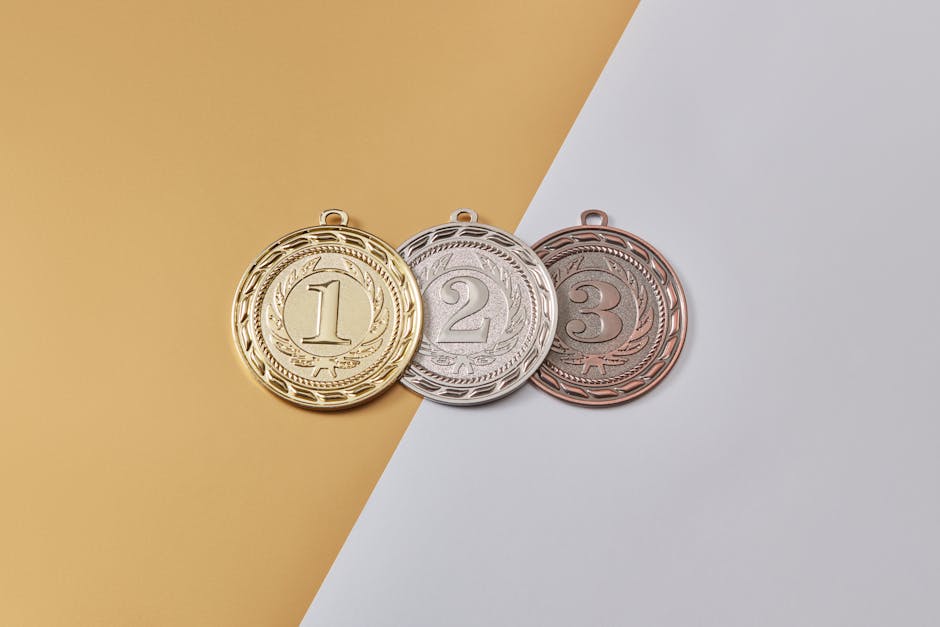
Today’s Olympic gold medals are primarily composed of silver with a gold plating on the outside. According to International Olympic Committee regulations, gold medals must contain a minimum of 92.5% silver and be plated with at least 6 grams of pure gold. The silver core typically makes up approximately 550 grams of the medal’s total weight, with the gold coating adding a lustrous finish that gives the medal its iconic appearance.
Silver medals, unsurprisingly, are made of silver, though they too must meet specific purity standards set by the IOC. Bronze medals, on the other hand, are primarily composed of copper with a small percentage of zinc and tin, giving them their distinctive reddish-brown color. The exact specifications can vary slightly between different Olympic Games, as host cities have some flexibility in design while adhering to IOC guidelines.
Historical Context: When Gold Medals Were Actually Gold
The last time Olympic gold medals were made of solid gold was during the 1912 Stockholm Olympics. These medals contained pure gold throughout, making them substantially more valuable than their modern counterparts. The shift away from solid gold medals occurred for several practical and economic reasons that made the current system more sustainable for host nations.
Prior to 1912, the Olympic Games had varied considerably in their approach to medals. The first modern Olympics in Athens in 1896 actually awarded silver medals to first-place finishers and bronze to second place, with no medals for third. The familiar gold-silver-bronze hierarchy wasn’t firmly established until the 1904 St. Louis Games.
Why the Change From Solid Gold?
Several factors contributed to the transition away from solid gold medals:
- Economic considerations: Gold is an expensive precious metal, and its price has increased dramatically over the past century. Producing hundreds of solid gold medals for each Olympic Games would represent an enormous financial burden for host cities.
- Practical weight concerns: Solid gold medals would be significantly heavier than current versions, potentially making them less comfortable to wear during medal ceremonies and celebrations.
- Sustainability: Using primarily silver with gold plating allows for more efficient use of precious metals while maintaining the prestige and appearance of the awards.
- Standardization: The current system allows the IOC to maintain consistent standards across different Olympic Games while giving host cities creative freedom in design.
The Actual Value of Olympic Gold Medals
Based on current precious metal prices, the material value of an Olympic gold medal is significantly less than many people imagine. The approximate 550 grams of silver combined with 6 grams of gold coating typically results in a medal worth between $800 and $1,000 in raw materials, depending on market fluctuations. This stands in stark contrast to what a solid gold medal of the same size would be worth, which could easily exceed $25,000 or more.
However, the symbolic and collectible value of Olympic gold medals far exceeds their material worth. When Olympic medals are sold at auction, they often fetch hundreds of thousands of dollars, with some selling for over one million dollars. This astronomical difference reflects the historical significance, rarity, and emotional value attached to these symbols of athletic excellence.
Design and Specifications
While the composition of Olympic medals is regulated by the IOC, host cities maintain considerable creative control over the design. The medals must be at least 60 millimeters in diameter and 3 millimeters thick. The obverse side typically features standardized Olympic imagery, while the reverse side allows for unique designs reflecting the host city’s culture and the specific Games.
Recent Olympic Games have seen increasingly creative and meaningful medal designs. The Tokyo 2020 Olympics, for instance, created medals from recycled electronic devices donated by the Japanese public, incorporating sustainability into the very fabric of the awards. The medals contained gold, silver, and bronze extracted from old smartphones, laptops, and other electronics, representing a modern approach to this ancient tradition.
The True Worth Beyond Metal
The revelation that Olympic gold medals aren’t pure gold might disappoint some, but it doesn’t diminish their significance. These medals represent the culmination of an athlete’s life work, countless hours of training, and the honor of representing one’s country on the world’s biggest sporting stage. The material composition pales in comparison to the achievement they symbolize.
Athletes who earn Olympic medals treasure them not for their monetary value but for what they represent: a moment in time when they stood among the world’s best, achieving what few ever will. The weight of the medal around their neck carries the pride of their nation, the support of their families, and the realization of dreams that may have begun in childhood.
Conclusion
While Olympic gold medals may not be solid gold, they remain the most prestigious awards in sports. The evolution from pure gold to gold-plated silver reflects practical considerations while maintaining the tradition and prestige of the Olympic Games. Understanding the true composition of these medals provides insight into the balance between symbolism and practicality that characterizes the modern Olympic movement. Regardless of their material makeup, Olympic medals will always represent the gold standard of athletic achievement.
