
⏱️ 7 min read
Did You Know? 12 Facts About Ancient Egypt
Ancient Egypt stands as one of the most fascinating and enduring civilizations in human history. For over three thousand years, this remarkable culture flourished along the banks of the Nile River, leaving behind monuments, artifacts, and knowledge that continue to captivate scholars and enthusiasts worldwide. While many people are familiar with pyramids and pharaohs, the depth and complexity of ancient Egyptian civilization extends far beyond these iconic symbols. Here are twelve remarkable facts about ancient Egypt that reveal the sophistication, ingenuity, and uniqueness of this extraordinary society.
1. Ancient Egyptians Were Pioneer Dentists
The ancient Egyptians practiced dentistry as early as 2600 BCE, making them among the world’s first dentists. Archaeological evidence shows that dental problems were common due to sand particles in bread that wore down tooth enamel. Ancient Egyptian physicians treated dental ailments with various remedies, and some mummies have been discovered with dental bridges and fillings. Medical papyri describe treatments for tooth pain and abscesses, demonstrating a sophisticated understanding of oral health for their time.
2. They Invented One of the Earliest Forms of Writing
Hieroglyphics, the ancient Egyptian writing system, emerged around 3200 BCE and consisted of over seven hundred symbols. This complex script combined logographic and alphabetic elements, with symbols representing sounds, words, or concepts. Hieroglyphics were primarily used for religious texts and monumental inscriptions, while hieratic and later demotic scripts were developed for everyday administrative and commercial purposes. The Rosetta Stone, discovered in 1799, ultimately allowed scholars to decipher this ancient language.
3. Women Enjoyed Remarkable Legal Rights
Ancient Egyptian women possessed legal and economic rights that were extraordinarily progressive for the ancient world. Women could own property, initiate divorce, enter into contracts, serve on juries, and make wills. They could inherit equally with male siblings and maintain control over their own possessions throughout marriage. Some women even ascended to positions of supreme power, with notable female pharaohs including Hatshepsut and Cleopatra VII, who ruled as equals to their male counterparts.
4. The Construction of the Great Pyramid Remains an Engineering Marvel
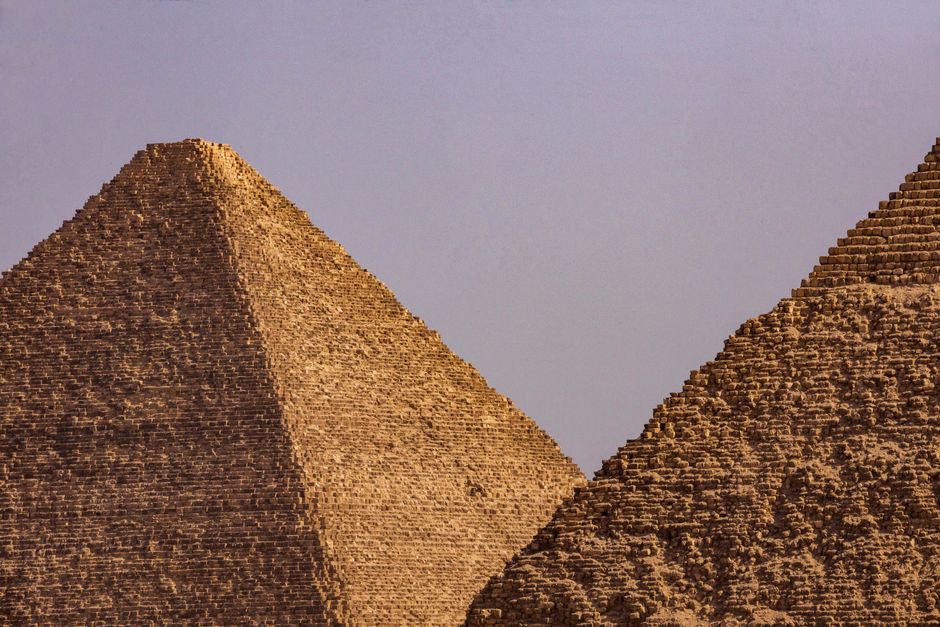
The Great Pyramid of Giza, built for Pharaoh Khufu around 2560 BCE, originally stood at 146.5 meters tall and consisted of approximately 2.3 million stone blocks, each weighing between two and fifteen tons. For nearly four thousand years, it remained the tallest man-made structure in the world. Recent discoveries suggest that workers used a system of ramps and levers, and that the laborers were not slaves but paid workers who received food, shelter, and medical care. The precision of its construction continues to astound modern engineers.
5. Ancient Egyptians Were Master Makeup Artists
Both men and women in ancient Egypt wore makeup regularly, considering it essential for health and spiritual protection. They created kohl eyeliner from ground minerals like malachite and galena, believing it protected against the evil eye and reduced sun glare. Green and black eye paint was worn by all social classes, and cosmetics were often buried with the deceased for use in the afterlife. Modern analysis reveals that some of these ancient cosmetics actually had antibacterial properties that helped prevent eye infections.
6. They Created the 365-Day Calendar
Ancient Egyptians developed one of the first solar calendars around 4000 BCE, dividing the year into twelve months of thirty days each, plus five additional days for religious festivals. This calendar was based on astronomical observations and the annual flooding of the Nile River. Their system became the foundation for the Julian calendar introduced by Julius Caesar, which in turn influenced our modern Gregorian calendar. This demonstrates their advanced understanding of astronomy and mathematics.
7. Cats Were Sacred and Revered Animals
Cats held a special place in ancient Egyptian society, both as practical pest controllers and sacred animals. The goddess Bastet, depicted with a cat’s head, represented protection, fertility, and motherhood. Killing a cat, even accidentally, could result in the death penalty. When household cats died, families would shave their eyebrows in mourning and have the cats mummified and buried in special cemeteries. Thousands of mummified cats have been discovered in archaeological excavations.
8. They Practiced Advanced Medicine and Surgery
Ancient Egyptian physicians were highly respected specialists who practiced remarkably advanced medicine. They performed surgery, set broken bones, treated various diseases, and understood the importance of cleanliness in preventing infection. Medical papyri describe treatments for numerous conditions and demonstrate knowledge of the circulatory system and the importance of the pulse. They created prosthetics, prescribed medications derived from plants and minerals, and even performed brain surgery. Medical specialization was common, with separate physicians for different body parts and ailments.
9. The Ancient Egyptian Civilization Lasted Longer Than It Has Been Gone
Ancient Egyptian civilization endured for approximately three thousand years, from around 3100 BCE to 30 BCE. To put this in perspective, Cleopatra lived closer to the present day than to the construction of the Great Pyramid. This remarkable longevity means that ancient Egypt existed as a functioning civilization for longer than Christianity has existed. The civilization witnessed the rise and fall of numerous other cultures while maintaining its core religious beliefs, artistic styles, and social structures.
10. They Were Among the First to Make Paper and Ink
Ancient Egyptians invented papyrus around 3000 BCE, creating one of humanity’s first portable and practical writing surfaces. They manufactured papyrus from the pith of the papyrus plant, which grew abundantly along the Nile. Strips were laid crosswise, pressed, and dried to form sheets. This innovation revolutionized record-keeping and communication. They also developed various inks, including black ink made from carbon and red ink from iron oxide, allowing for the creation of extensive libraries and administrative records.
11. Ancient Egyptian Board Games Entertained All Social Classes
The ancient Egyptians enjoyed various board games, with Senet being the most popular. Dating back to 3100 BCE, Senet was played by people across all social classes, and game boards have been found in both royal tombs and common graves. The game held religious significance, believed to represent the journey of the soul through the afterlife. Other popular games included Mehen, played on a circular board shaped like a coiled snake, and Dogs and Jackals. These games demonstrate that ancient Egyptians valued leisure and entertainment.
12. They Built Monuments That Aligned With Astronomical Events
Ancient Egyptians possessed sophisticated astronomical knowledge and incorporated it into their architecture. The Great Pyramid’s sides align almost perfectly with the cardinal directions. The temple of Abu Simbel was constructed so that twice yearly, on what are thought to be King Ramesses II’s birthday and coronation day, sunlight penetrates the sanctuary to illuminate statues of the king and gods. Other temples were aligned with solstices, equinoxes, and the rising of significant stars like Sirius, demonstrating their advanced understanding of celestial mechanics and their religious importance.
Conclusion
These twelve facts barely scratch the surface of ancient Egyptian civilization’s complexity and achievements. From groundbreaking medical practices to architectural marvels, from progressive social structures to astronomical precision, the ancient Egyptians created a sophisticated society that influenced countless subsequent cultures. Their innovations in writing, timekeeping, medicine, and engineering laid foundations for developments that continue to shape our world today. The enduring fascination with ancient Egypt reflects not only the grandeur of their monuments but also the remarkable human ingenuity and cultural richness that characterized this extraordinary civilization. As archaeological discoveries continue to emerge, our understanding of ancient Egypt deepens, revealing ever more reasons to marvel at their accomplishments and recognize their profound contributions to human civilization.
