







1 / 10 Questions
0 Points

What world leader once worked as a lifeguard?

Ronald Reagan

Winston Churchill

John F. Kennedy

Margaret Thatcher

Points won
0
Correct score
0%

More Articles

Did You Know? 12 Amazing Facts About Space Exploration

Did You Know? 12 Amazing Facts About Space Exploration

⏱️ 5 min read

Did You Know? 12 Amazing Facts About Space Exploration

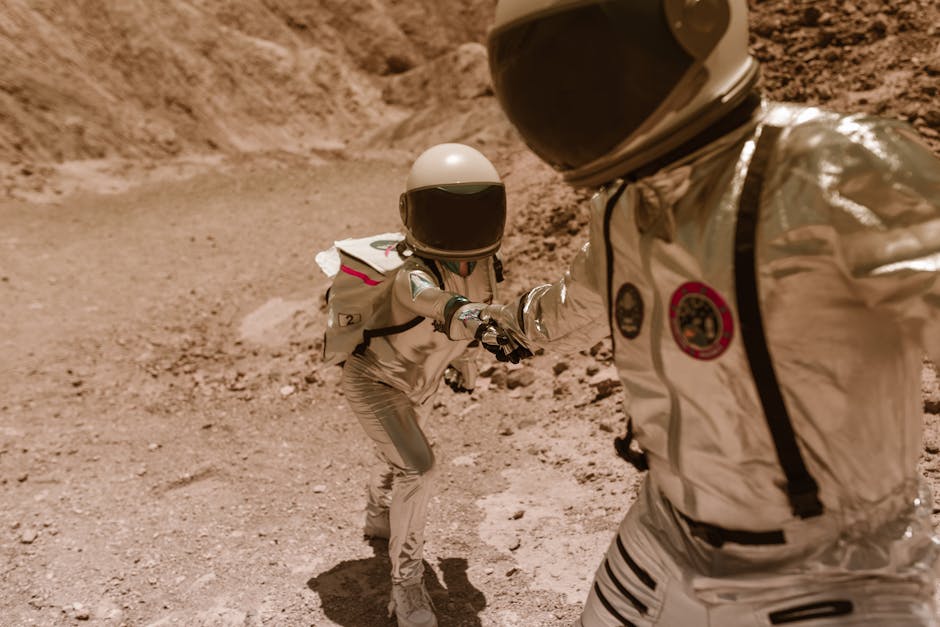
Space exploration has captivated humanity's imagination for decades, pushing the boundaries of science, technology, and human achievement. From the first satellite launch to landing rovers on distant planets, our journey into the cosmos has been filled with remarkable milestones and surprising discoveries. The following twelve facts showcase some of the most amazing aspects of space exploration that demonstrate human ingenuity, perseverance, and the endless mysteries that await us beyond Earth's atmosphere.

1. The First Human-Made Object in Space Was a Manhole Cover

During a 1957 underground nuclear test in Nevada, a steel manhole cover weighing several hundred pounds was launched into the air at an estimated speed of 150,000 miles per hour. Scientists believe it may have been the first human-made object to leave Earth's atmosphere, possibly vaporizing in the process or escaping into space. This accidental achievement predated the official space age, which began with Sputnik 1 later that same year.

2. Astronauts Grow Taller in Space

Without the constant pull of gravity compressing their spines, astronauts can grow up to two inches taller during extended stays in space. The fluid-filled discs between vertebrae expand in the microgravity environment, causing this temporary height increase. However, astronauts return to their normal height shortly after returning to Earth's gravitational pull. This phenomenon is one of many physical changes the human body experiences in space.

3. The International Space Station Travels at 17,500 Miles Per Hour

The International Space Station orbits Earth at an incredible speed of approximately 17,500 miles per hour, completing one full orbit around the planet every 90 minutes. This means astronauts aboard the ISS experience 16 sunrises and sunsets every 24 hours. At this velocity, the station covers the distance equivalent to traveling from Earth to the Moon and back in just one day.

4. Venus Has the Longest Day in Our Solar System

While not exclusively a space exploration fact, missions to Venus have revealed that one day on the planet lasts longer than its year. Venus takes 243 Earth days to complete one rotation on its axis but only 225 Earth days to orbit the Sun. Additionally, Venus rotates in the opposite direction to most planets in our solar system, meaning the Sun rises in the west and sets in the east.

5. Footprints on the Moon Will Last Millions of Years

The footprints left by Apollo astronauts on the lunar surface will remain virtually unchanged for millions of years. Unlike Earth, the Moon has no atmosphere, wind, or water to erode these marks. The only factors that might eventually disturb them are moonquakes and micrometeorite impacts. This means the legacy of human exploration is literally preserved in the lunar dust.

6. Space Suits Cost More Than Luxury Homes

A single NASA space suit, officially called an Extravehicular Mobility Unit, costs approximately 12 million dollars to manufacture. These complex garments are essentially personalized spacecraft, providing oxygen, temperature regulation, radiation protection, and communication systems. The suits must withstand extreme temperature variations ranging from minus 250 to plus 250 degrees Fahrenheit.

7. The Largest Footprint of Human Exploration Extends Beyond Pluto

Voyager 1, launched in 1977, has traveled farther than any other human-made object, entering interstellar space in 2012. As of now, it is more than 14 billion miles from Earth and continues to send data back to scientists. The spacecraft carries a golden record containing sounds and images from Earth, serving as a message to any potential extraterrestrial life forms that might encounter it.

8. Astronauts Cannot Cry in Space

While astronauts can produce tears in space, they cannot cry the way we do on Earth. In microgravity, tears do not fall down the cheeks but instead form bubbles around the eyes due to surface tension. This can actually become uncomfortable and even slightly painful, as the tears simply accumulate around the eyeball until wiped away manually.

9. The Hubble Space Telescope Has Never Been Touched by Human Hands Since Launch

Although astronauts have performed five servicing missions to the Hubble Space Telescope since its 1990 launch, they never actually touched the telescope with their bare hands. All maintenance and repairs were conducted using tools and while wearing pressurized gloves. The telescope has observed over 40,000 celestial objects and has traveled more than 4 billion miles while orbiting Earth.

10. Space Smells Like Burnt Metal and Barbecue

Astronauts who have performed spacewalks report that space has a distinctive odor that clings to their suits and equipment. The smell is often described as a combination of burnt metal, welding fumes, and barbecued meat. This odor is likely caused by high-energy particles called polycyclic aromatic hydrocarbons, which are byproducts of dying stars.

11. Mars Rovers Sing Happy Birthday to Themselves

NASA's Curiosity rover is programmed to play "Happy Birthday" to itself once per Earth year on August 5th, the anniversary of its landing on Mars in 2012. The rover uses its sample analysis instrument to vibrate at different frequencies, creating the tune. This quirky tradition highlights the human touch in robotic space exploration and serves as a systems check for the instrument.

12. There Are More Stars in the Universe Than Grains of Sand on Earth

Space exploration and observation have revealed the staggering scale of the cosmos. Scientists estimate there are more stars in the observable universe than all the grains of sand on all the beaches and deserts on Earth. Current estimates suggest there are at least 100 billion galaxies, each containing hundreds of billions of stars, totaling approximately 10 trillion trillion stars.

Conclusion

These twelve amazing facts about space exploration represent just a fraction of the incredible discoveries and achievements humanity has accomplished beyond our planet. From the accidental launch of a manhole cover to sophisticated rovers singing on Mars, space exploration continues to surprise, inspire, and challenge our understanding of the universe. As technology advances and our reach extends further into the cosmos, countless more fascinating discoveries await. The journey of space exploration reminds us of human curiosity's boundless nature and our species' determination to explore the unknown, ensuring that the future holds even more remarkable facts yet to be discovered.

Did You Know? 10 Artists Who Used Unusual Materials

Did You Know? 10 Artists Who Used Unusual Materials

⏱️ 6 min read

Did You Know? 10 Artists Who Used Unusual Materials

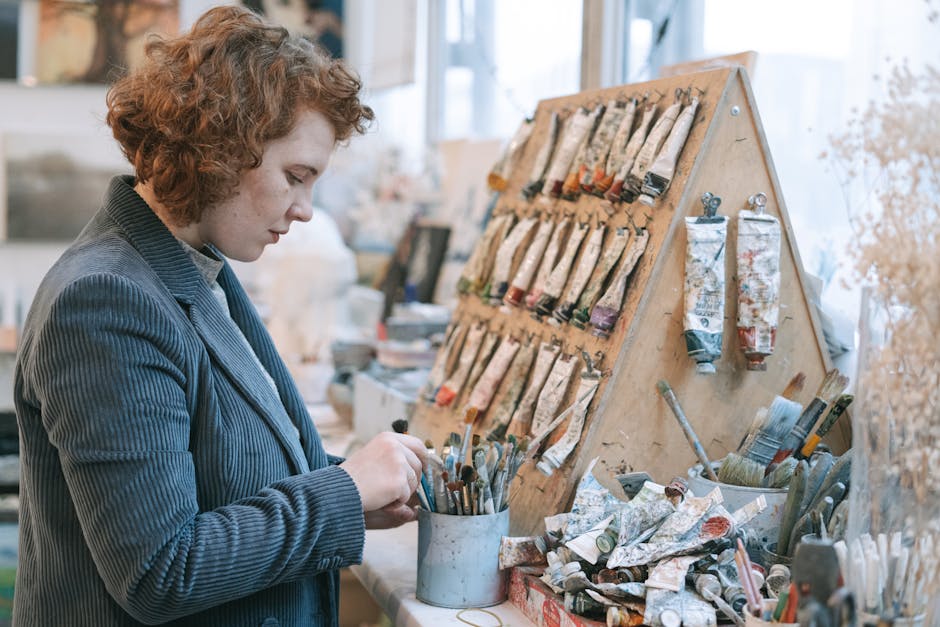
Throughout art history, creative minds have continuously pushed the boundaries of traditional artistic expression by exploring unconventional materials. While most artists rely on paint, canvas, clay, or marble, some visionaries have discovered that art can emerge from the most unexpected sources. From food items to bodily fluids, from trash to precious gemstones, these innovative creators have challenged our perceptions of what constitutes art and how it can be made. This exploration of ten remarkable artists reveals how unusual materials can become powerful mediums for artistic expression, social commentary, and aesthetic innovation.

1. Vik Muniz - Garbage and Everyday Objects

Brazilian artist Vik Muniz has built an international reputation by recreating famous artworks and photographs using unconventional materials. His subjects have included chocolate syrup, peanut butter and jelly, diamonds, and even garbage collected from the world's largest landfill. In his acclaimed series "Pictures of Garbage," Muniz worked with catadores (trash pickers) in Rio de Janeiro to create large-scale portraits using recyclable materials. These works not only demonstrate artistic innovation but also serve as powerful social commentary on consumption, waste, and economic inequality.

2. Chris Ofili - Elephant Dung

British artist Chris Ofili gained international attention and controversy for incorporating elephant dung into his vibrant, decorative paintings. The Turner Prize winner collects dried elephant dung from the London Zoo and uses it both as a material applied to the canvas surface and as supports for his paintings to rest upon. Ofili's use of this unconventional material connects to his Nigerian heritage and African artistic traditions, where elephant dung carries cultural significance. His work challenges Western art conventions while creating visually stunning pieces that sparkle with resin, glitter, and map pins.

3. Dieter Roth - Chocolate, Cheese, and Perishable Foods

Swiss-German artist Dieter Roth embraced decay as part of his artistic process by creating sculptures and installations from perishable materials including chocolate, cheese, sugar, and spices. His famous "Staple Cheese (A Race)" consisted of cheeses arranged to slowly decompose, with the resulting mold patterns becoming part of the artwork itself. Roth's radical approach questioned the permanence traditionally expected of art objects and explored themes of time, transformation, and deterioration. His edible art pieces changed continuously, existing as living, evolving works that challenged conventional conservation practices.

4. Janine Antoni - Soap, Chocolate, and Lard

Contemporary American artist Janine Antoni uses her own body as a tool to sculpt unusual materials. In her groundbreaking work "Lick and Lather," Antoni created self-portrait busts from chocolate and soap, then methodically licked the chocolate version and washed with the soap version, gradually eroding both sculptures. In another piece, "Gnaw," she chewed away at 600-pound cubes of chocolate and lard, later using the residue to create lipstick and chocolate boxes. Antoni's performative approach to unconventional materials explores themes of femininity, consumption, and the relationship between art-making and bodily processes.

5. El Anatsui - Bottle Caps and Metal Scraps

Ghanaian sculptor El Anatsui transforms discarded bottle caps and aluminum scraps into stunning, tapestry-like wall sculptures that shimmer like precious metals. Using thousands of flattened bottle tops wired together, Anatsui creates flowing, flexible sheets of recycled material that can be draped and arranged in countless configurations. His monumental works reference traditional African textiles and kente cloth while addressing themes of consumption, colonialism, and environmental concerns. The transformation of worthless trash into gallery-worthy masterpieces challenges perceptions about value and beauty in contemporary art.

6. Andy Goldsworthy - Natural Materials

British sculptor and photographer Andy Goldsworthy creates ephemeral artworks using only materials found in nature: leaves, stones, ice, thorns, petals, and branches. Working entirely outdoors, Goldsworthy arranges these natural elements into spirals, lines, and organic forms that exist temporarily before being reclaimed by nature. He photographs his creations as documentation before they inevitably dissolve, blow away, or melt. This practice emphasizes the impermanence of art and life while celebrating the inherent beauty and potential of natural materials often overlooked in the landscape.

7. Marc Quinn - Frozen Blood

British artist Marc Quinn created a controversial series of self-portrait sculptures cast from approximately ten pints of his own frozen blood. The ongoing project, titled "Self," began in 1991 and continues with new versions created every five years. Each sculpture must be permanently kept frozen to prevent decomposition, requiring constant refrigeration. Quinn's use of his own blood as a sculptural material creates an intensely personal artwork that explores themes of mortality, identity, and the fragile nature of human existence. The work's dependence on technology for preservation adds another layer of meaning about contemporary life.

8. Cai Guo-Qiang - Gunpowder

Chinese artist Cai Guo-Qiang has pioneered the use of gunpowder as a drawing and painting medium, creating explosive art that literally burns its image onto canvas and paper. His "gunpowder drawings" involve carefully arranging gunpowder on surfaces and igniting it in controlled explosions that leave scorch marks and ash patterns. Cai also stages spectacular outdoor explosion events as performance art. His choice of gunpowder as a medium references Chinese history as the inventor of gunpowder while exploring themes of destruction, creation, and the transformative power of fire.

9. Kara Walker - Sugar

American artist Kara Walker, known primarily for her cut-paper silhouettes, created a monumental installation titled "A Subtlety" featuring a massive sphinx-like sculpture coated in 80 tons of white sugar. Installed in the soon-to-be-demolished Domino Sugar Factory in Brooklyn, this temporary work addressed the historical connections between sugar production, slavery, and racial exploitation. The choice of sugar as a material was deeply symbolic, referencing the sweet substance's bitter history in the Americas. The installation combined Walker's characteristic exploration of race and history with an unconventional material that carried powerful metaphorical weight.

10. Tara Donovan - Mass-Produced Objects

American sculptor Tara Donovan creates large-scale installations using everyday mass-produced items such as plastic cups, drinking straws, toothpicks, buttons, and index cards. By accumulating thousands or millions of these mundane objects, Donovan transforms them into organic-looking forms that resemble natural phenomena like clouds, geological formations, or cellular structures. Her meticulous arrangements reveal the unexpected beauty hidden in ordinary materials when viewed at scale. Donovan's work demonstrates how artistic vision can elevate the commonplace into the extraordinary, finding aesthetic potential in items typically destined for the trash.

Conclusion

These ten artists exemplify the innovative spirit that drives contemporary art forward by questioning the very definition of artistic materials. From Vik Muniz's garbage to Marc Quinn's frozen blood, from El Anatsui's bottle caps to Cai Guo-Qiang's explosive gunpowder, these creators prove that art can emerge from the most unexpected sources. Their choices often carry deeper meanings, whether addressing environmental concerns, exploring cultural identity, challenging artistic traditions, or commenting on social issues. By embracing unusual materials, these artists expand our understanding of what art can be and remind us that creative potential exists everywhere, even in substances and objects we might otherwise overlook or discard. Their legacy encourages future generations of artists to look beyond conventional materials and discover new possibilities for artistic expression in the world around them.