
⏱️ 6 min read
Did You Know The Great Fire of London Killed Only 6 People?
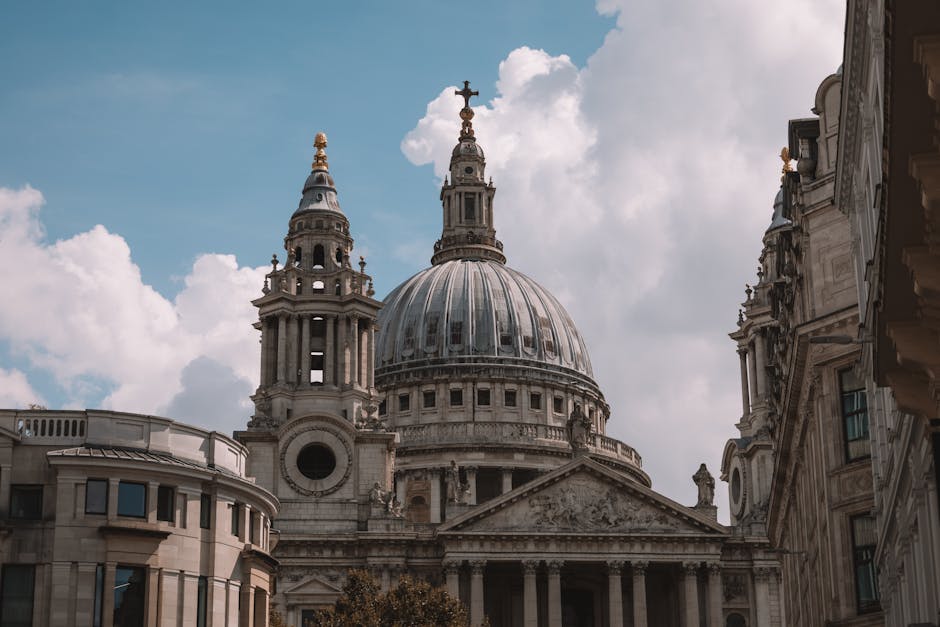
The Great Fire of London, which ravaged the English capital from September 2 to September 6, 1666, is one of the most catastrophic urban disasters in British history. Despite destroying approximately 13,200 houses, 87 parish churches, St. Paul’s Cathedral, and most of the buildings of the City authorities, the officially recorded death toll stands at a remarkably low figure of just six people. This astonishing statistic has puzzled historians for centuries and raises important questions about 17th-century record-keeping, social structure, and the true human cost of this devastating conflagration.
While the official number of six deaths seems almost impossibly low for such a widespread disaster, understanding the context, limitations of historical records, and various factors surrounding this event provides crucial insights into both the fire itself and life in 17th-century London. Here are six essential facts that help explain this historical paradox:
1. The Official Death Toll Was Based on Incomplete Records
The official figure of six deaths comes from contemporary accounts and burial records kept by London parishes. However, these records were notoriously incomplete and reflected significant social biases of the era. The parish system primarily tracked deaths of established residents who were members of the Church of England and had proper burial arrangements. Many groups were systematically excluded from official documentation, including the poor, homeless, immigrants, and those living on the margins of society. The working-class population, which constituted a significant portion of London’s inhabitants, often went unrecorded in official documents. Additionally, the fire itself destroyed many churches and their record books, making it impossible to verify how many people actually perished. Modern historians widely agree that the true death toll was certainly higher, perhaps significantly so, than the six officially recorded victims.
2. The Fire Spread Slowly Enough for Most People to Escape
One crucial factor in the low mortality rate was the fire’s relatively slow initial spread. The fire began in Thomas Farriner’s bakery on Pudding Lane in the early hours of Sunday, September 2, 1666. During its first few hours, the fire advanced gradually enough that residents had time to gather their belongings and evacuate. Unlike modern fires in steel and concrete structures, the timber-framed buildings of London burned in a more predictable pattern. The wind, while strong enough to spread the flames, also pushed the fire in a generally consistent direction, allowing people ahead of the blaze to see it coming and flee. Most Londoners had several hours, if not days, of warning before the flames reached their neighborhoods. The Thames River also provided an escape route, with thousands of residents loading their possessions onto boats and fleeing to safety on the opposite bank or downstream.
3. London’s Geography and Layout Aided Evacuation
The physical layout of London in 1666 actually facilitated mass evacuation despite the city’s congested medieval street plan. The Thames River served as a natural barrier and escape route, with numerous stairs and docks providing access to waterborne transport. Many residents simply walked out of the city through its various gates, heading to open fields beyond the city walls. The wealthy and middle classes had country estates or relatives in surrounding areas where they could seek refuge. Moorfields, just outside the city walls, became a vast refugee camp where thousands of displaced Londoners set up temporary shelters. The fact that the fire occurred during warm September weather also meant that people could survive outdoors without succumbing to exposure, unlike what might have happened during winter months.
4. The Fire Primarily Consumed Property Rather Than Trapping Victims
The nature of the fire itself contributed to the survival rate. The Great Fire moved through the city consuming buildings but generally giving people time to evacuate ahead of its advance. Unlike fires in modern high-rise buildings where smoke inhalation and lack of exits trap victims, London’s low-rise timber structures allowed people to escape through windows, doors, and even by breaking through walls. The fire burned hottest at roof level, where the timber frames and thatched roofs ignited, while ground-level areas often remained passable longer. There were few reports of buildings collapsing suddenly and trapping inhabitants. The consistent eastern wind meant the fire advanced in a relatively predictable westward direction, rather than jumping randomly from building to building, giving residents clearer information about when they needed to flee.
5. Social Invisibility Meant Many Deaths Went Unrecorded
Perhaps the most significant factor in the low official death count was the social invisibility of London’s poorest residents. The city contained a substantial population of people who lived entirely outside official records: beggars, transient workers, criminals, religious minorities, and the destitute elderly and sick who had no families to report their deaths. When these individuals perished in the fire, there was often no one to record their passing and no system in place to count them. The intense heat of the fire, which was sufficient to melt the lead roof of St. Paul’s Cathedral and turn stone into powder, would have completely cremated human remains, leaving no bodies to count. Additionally, the chaos following the fire made systematic accounting impossible. The focus was on providing shelter for survivors, preventing disorder, and beginning reconstruction, not on conducting thorough forensic investigations into every possible death.
6. Indirect Deaths Were Not Attributed to the Fire
The official count of six deaths only includes those directly killed by burns or building collapses during the fire itself. It does not account for indirect deaths that occurred as a consequence of the disaster. Many people likely died from smoke inhalation, exhaustion during evacuation, exposure while living in temporary camps, disease outbreaks in the overcrowded refugee areas, or injuries sustained during the chaos. Elderly and infirm individuals who might have survived with proper shelter and care may have succumbed to the harsh conditions in the aftermath. The stress and trauma of losing everything could have contributed to deaths from heart conditions or other stress-related illnesses. These indirect casualties, occurring days, weeks, or months after the fire, would not have been officially attributed to the disaster, even though the fire was ultimately responsible for their deaths.
Conclusion
The seemingly miraculous statistic that only six people died in the Great Fire of London is far more complex than it initially appears. While the official records list just six fatalities, the true human cost was undoubtedly higher, possibly by orders of magnitude. The combination of incomplete record-keeping, social inequality, the physical characteristics of the fire, and the exclusion of indirect deaths all contributed to this dramatically understated figure. Modern historians estimate the actual death toll may have ranged from dozens to potentially hundreds of victims, particularly among the poor and marginalized populations whose lives and deaths went largely unrecorded. Understanding these six factors not only helps us grasp the true impact of this historic disaster but also provides valuable insights into life, death, and social structure in 17th-century London. The Great Fire of London remains a pivotal event in British history, not just for the six officially recorded deaths, but for the thousands of lives it disrupted and the city it forever transformed.
