








⏱️ 7 min read
Top 10 Fun Facts About the Film Editing Process
Film editing is often called the "invisible art" of cinema—when done well, audiences never notice it, yet it's crucial to every great movie. Editors shape raw footage into compelling narratives, control pacing, build tension, and can even save troubled productions. While directors and actors typically receive most of the glory, editors work their magic behind the scenes, transforming hours of footage into cinematic masterpieces. Here are ten fascinating facts about the film editing process that reveal just how essential and intriguing this craft truly is.
1. Early Films Were Edited by Hand with Scissors and Glue
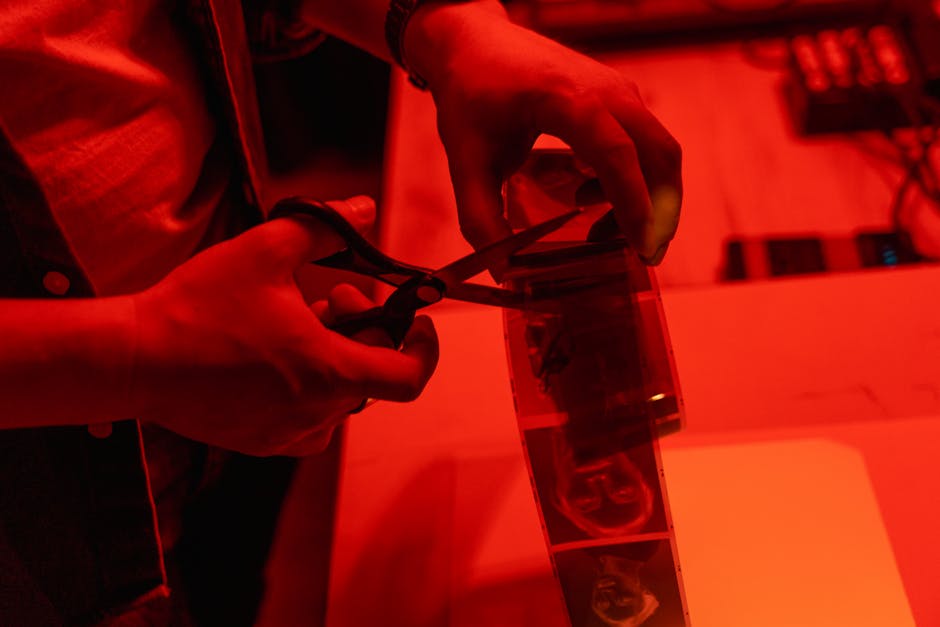
Before digital technology revolutionized the industry, film editors literally cut and spliced physical film strips. Using scissors or razor blades, editors would cut the celluloid film at precise frames and join pieces together with tape or cement. This painstaking process required extraordinary precision, as a cut just one frame off could disrupt the flow. Editors worked with reels of film hanging from bins and racks, manually threading footage through viewing machines called Moviolas. One wrong cut could permanently damage irreplaceable footage, making the job incredibly high-pressure. This tactile, hands-on approach to editing persisted for nearly a century until digital editing systems emerged in the 1990s.
2. The Average Feature Film Ratio is 20:1
For every minute that appears in the final cut of a film, approximately twenty minutes of footage are typically shot. This means a standard two-hour movie might be culled from forty or more hours of raw footage. Some directors shoot even more liberally—Stanley Kubrick was famous for demanding dozens of takes, creating massive amounts of material for his editors to sift through. This extensive shooting ratio gives editors enormous creative freedom but also presents a daunting challenge: finding the best performances, angles, and moments buried within mountains of footage. The editing process becomes as much about what to leave out as what to include.
3. Editors Can Completely Change a Film's Genre
The editing room holds remarkable power to transform a film's tone and genre entirely. The same footage can be cut as a drama, comedy, or thriller depending on pacing, music, and shot selection. A famous example is the fan-made recut of "The Shining" as a heartwarming family comedy, which demonstrates how editing shapes perception. Professional editors have rescued comedies from drama footage and vice versa. Test screenings sometimes reveal that a film isn't working in its intended genre, prompting editors to reimagine the entire approach. This transformative power makes editing one of the most creative stages of filmmaking, where a movie's true identity often emerges.
4. The "Kuleshov Effect" Proves Editing Creates Meaning
Soviet filmmaker Lev Kuleshov conducted a famous experiment in the 1910s that revealed how editing generates meaning. He intercut the same neutral shot of an actor's face with different images: a bowl of soup, a girl in a coffin, and a woman on a couch. Audiences praised the actor's nuanced expressions of hunger, grief, and desire—even though his expression never changed. The meaning came entirely from the juxtaposition of shots, not the performance itself. This "Kuleshov Effect" remains fundamental to film editing theory, demonstrating that the relationship between shots creates emotion and narrative. Editors leverage this principle constantly, crafting meaning through strategic shot combinations rather than relying solely on what was filmed.
5. Many Famous Directors Started as Editors
Some of cinema's most acclaimed directors honed their storytelling skills in the editing room before calling "action" on set. James Cameron edited "Piranha II" before directing "The Terminator." David Fincher worked as an editor and visual effects producer before helming "Seven." The Coen Brothers continue to edit their own films under the pseudonym "Roderick Jaynes." Robert Wise edited "Citizen Kane" before becoming a director. This career path makes sense—editing teaches filmmakers about pacing, structure, performance, and visual storytelling from an intimate perspective. Directors with editing experience often shoot more efficiently because they understand exactly what they'll need in post-production.
6. Editing Determines a Film's Rhythm and Pace
Beyond simply assembling scenes in order, editors function as the film's rhythmic architects. The length of each shot, the timing of cuts, and the pattern of edits create a subconscious tempo that audiences feel viscerally. Action sequences typically feature rapid cuts—sometimes changing shots multiple times per second—to generate excitement and urgency. Contemplative dramas employ longer takes and fewer cuts to allow moments to breathe. Master editors like Thelma Schoonmaker and Walter Murch describe their work almost musically, discussing the "beat" of a scene. Even within a single sequence, varying the editing rhythm can guide audience attention and emotion, accelerating during tense moments and slowing for emotional beats.
7. Continuity Errors Are Edited Around Constantly
During filming, countless continuity mistakes occur—actors' positions shift between takes, props move, wardrobe changes, and backgrounds differ. Editors spend considerable time finding creative solutions to these problems, often making cuts at strategic moments to hide discontinuities. They might use cutaway shots, change angles, or slightly adjust timing to mask errors. Sometimes editors request additional footage or "pickup shots" to bridge problematic transitions. The most skilled editors make these corrections invisibly, maintaining the illusion of continuous action even when shots were filmed hours or days apart. Remarkably, many "seamless" scenes that feel like single takes are actually dozens of shots cleverly stitched together to hide production imperfections.
8. The First Edit is Called the "Assembly Cut" or "Rough Cut"
The editing process follows several distinct stages, beginning with the assembly cut. This first version strings together all selected takes in script order without fine-tuning, often running significantly longer than the intended final length. Next comes the rough cut, where editors refine pacing and structure but haven't perfected every transition. The fine cut represents near-final form with polished timing and transitions. Finally, the final cut incorporates music, sound effects, color correction, and visual effects. Major studio films might go through ten or more complete revisions before locking the picture. This iterative process allows filmmakers to experiment, test different approaches, and gradually discover the best version of their story.
9. Sound Design Happens Simultaneously with Picture Editing
While editors work on visuals, sound editors create equally complex audio landscapes. However, picture editors often use temporary sound effects and music—called "temp tracks"—to establish mood during the editing process. These temporary elements help everyone visualize the final product, but they can create problems. Directors and studios sometimes become attached to temp music, making it difficult for composers to satisfy expectations with original scores. Additionally, picture editors make critical decisions about sound pacing—when dialogue should overlap, where silence creates impact, and how sound effects will synchronize with action. The collaboration between picture and sound editors ultimately determines the film's sensory totality.
10. Editing Can Save or Sink a Film
Post-production editing has rescued numerous troubled films and occasionally doomed otherwise solid projects. "Star Wars" became a cultural phenomenon partly because editor Marcia Lucas restructured the film's opening and improved its pacing dramatically—work that earned her an Academy Award. Conversely, studio-mandated re-edits have ruined films by removing essential context or disrupting narrative flow. Test screenings during the editing process can prompt major overhauls, including reshooting endings, eliminating characters, or completely reordering scenes. Some films remain in editing for over a year as filmmakers search for the right version. This extended creative phase represents the final opportunity to shape a film's destiny, making editors the last line of defense between a production and its audience.
Conclusion
Film editing represents a unique blend of technical skill, artistic vision, and storytelling intuition. From the physical cutting of celluloid strips to modern digital timelines, editors have always served as essential collaborators in the filmmaking process. These ten facts only scratch the surface of this complex craft—a discipline that can transform genres, create meaning through juxtaposition, establish rhythm, and ultimately determine whether a film succeeds or fails. The next time you watch a movie, pay attention to the cuts, the pacing, and the flow between scenes. You'll gain newfound appreciation for the invisible artists who shape the stories we love, one frame at a time. Great editing may go unnoticed, but cinema simply couldn't exist without it.