













1 / 20 Questions
0 Points

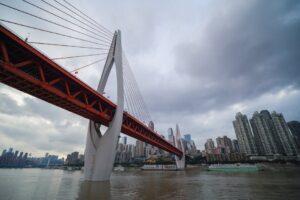
Which major river is known as China's 'Mother River'?

Yellow River

Pearl River

Yangtze River

Amur River

Points won
0
Correct score
0%

More Articles

Did You Know Olympic Medals Aren’t Pure Gold?

Did You Know Olympic Medals Aren’t Pure Gold?

⏱️ 5 min read

Did You Know Olympic Medals Aren't Pure Gold?

The Olympic Games represent the pinnacle of athletic achievement, where the world's finest athletes compete for glory and those coveted medals. Standing atop the podium with a gold medal around one's neck symbolizes years of dedication, sacrifice, and triumph. However, contrary to popular belief, Olympic gold medals are not made entirely of gold. This surprising fact reveals an interesting evolution in Olympic tradition and raises questions about the composition, value, and history of these prestigious awards.

The Composition of Modern Olympic Medals

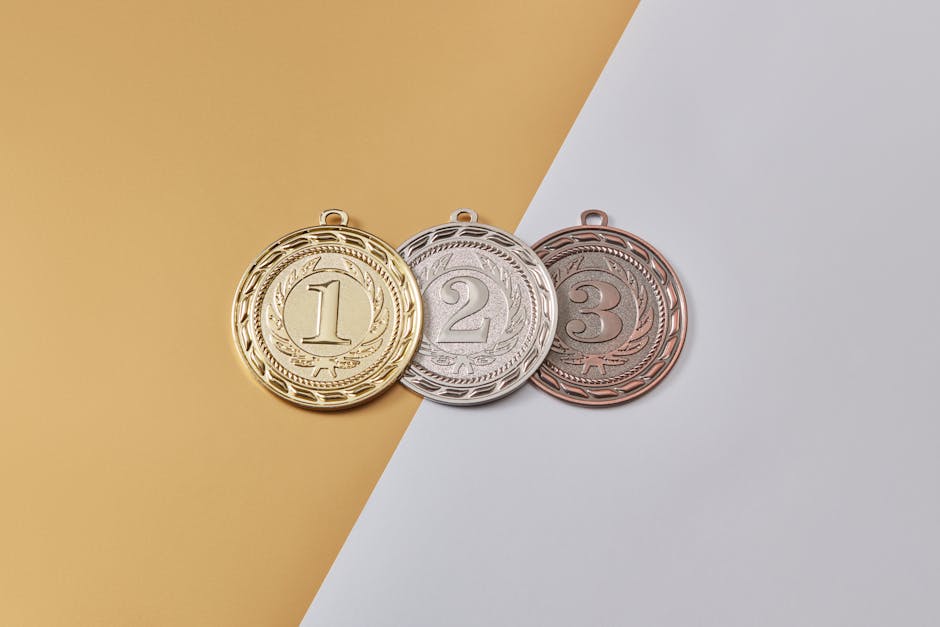
Today's Olympic gold medals are primarily composed of silver with a gold plating on the outside. According to International Olympic Committee regulations, gold medals must contain a minimum of 92.5% silver and be plated with at least 6 grams of pure gold. The silver core typically makes up approximately 550 grams of the medal's total weight, with the gold coating adding a lustrous finish that gives the medal its iconic appearance.

Silver medals, unsurprisingly, are made of silver, though they too must meet specific purity standards set by the IOC. Bronze medals, on the other hand, are primarily composed of copper with a small percentage of zinc and tin, giving them their distinctive reddish-brown color. The exact specifications can vary slightly between different Olympic Games, as host cities have some flexibility in design while adhering to IOC guidelines.

Historical Context: When Gold Medals Were Actually Gold

The last time Olympic gold medals were made of solid gold was during the 1912 Stockholm Olympics. These medals contained pure gold throughout, making them substantially more valuable than their modern counterparts. The shift away from solid gold medals occurred for several practical and economic reasons that made the current system more sustainable for host nations.

Prior to 1912, the Olympic Games had varied considerably in their approach to medals. The first modern Olympics in Athens in 1896 actually awarded silver medals to first-place finishers and bronze to second place, with no medals for third. The familiar gold-silver-bronze hierarchy wasn't firmly established until the 1904 St. Louis Games.

Why the Change From Solid Gold?

Several factors contributed to the transition away from solid gold medals:

  • Economic considerations: Gold is an expensive precious metal, and its price has increased dramatically over the past century. Producing hundreds of solid gold medals for each Olympic Games would represent an enormous financial burden for host cities.
  • Practical weight concerns: Solid gold medals would be significantly heavier than current versions, potentially making them less comfortable to wear during medal ceremonies and celebrations.
  • Sustainability: Using primarily silver with gold plating allows for more efficient use of precious metals while maintaining the prestige and appearance of the awards.
  • Standardization: The current system allows the IOC to maintain consistent standards across different Olympic Games while giving host cities creative freedom in design.

The Actual Value of Olympic Gold Medals

Based on current precious metal prices, the material value of an Olympic gold medal is significantly less than many people imagine. The approximate 550 grams of silver combined with 6 grams of gold coating typically results in a medal worth between $800 and $1,000 in raw materials, depending on market fluctuations. This stands in stark contrast to what a solid gold medal of the same size would be worth, which could easily exceed $25,000 or more.

However, the symbolic and collectible value of Olympic gold medals far exceeds their material worth. When Olympic medals are sold at auction, they often fetch hundreds of thousands of dollars, with some selling for over one million dollars. This astronomical difference reflects the historical significance, rarity, and emotional value attached to these symbols of athletic excellence.

Design and Specifications

While the composition of Olympic medals is regulated by the IOC, host cities maintain considerable creative control over the design. The medals must be at least 60 millimeters in diameter and 3 millimeters thick. The obverse side typically features standardized Olympic imagery, while the reverse side allows for unique designs reflecting the host city's culture and the specific Games.

Recent Olympic Games have seen increasingly creative and meaningful medal designs. The Tokyo 2020 Olympics, for instance, created medals from recycled electronic devices donated by the Japanese public, incorporating sustainability into the very fabric of the awards. The medals contained gold, silver, and bronze extracted from old smartphones, laptops, and other electronics, representing a modern approach to this ancient tradition.

The True Worth Beyond Metal

The revelation that Olympic gold medals aren't pure gold might disappoint some, but it doesn't diminish their significance. These medals represent the culmination of an athlete's life work, countless hours of training, and the honor of representing one's country on the world's biggest sporting stage. The material composition pales in comparison to the achievement they symbolize.

Athletes who earn Olympic medals treasure them not for their monetary value but for what they represent: a moment in time when they stood among the world's best, achieving what few ever will. The weight of the medal around their neck carries the pride of their nation, the support of their families, and the realization of dreams that may have begun in childhood.

Conclusion

While Olympic gold medals may not be solid gold, they remain the most prestigious awards in sports. The evolution from pure gold to gold-plated silver reflects practical considerations while maintaining the tradition and prestige of the Olympic Games. Understanding the true composition of these medals provides insight into the balance between symbolism and practicality that characterizes the modern Olympic movement. Regardless of their material makeup, Olympic medals will always represent the gold standard of athletic achievement.


Did You Know The Dead Sea Is Disappearing Fast?

Did You Know The Dead Sea Is Disappearing Fast?

⏱️ 5 min read

Did You Know The Dead Sea Is Disappearing Fast?

The Dead Sea, one of the world's most extraordinary natural wonders, is experiencing an environmental crisis that threatens its very existence. This iconic body of water, renowned for its extreme salinity and therapeutic properties, is shrinking at an alarming rate that has captured the attention of scientists, environmentalists, and policymakers worldwide. The rate of decline is so severe that experts warn the sea could disappear entirely within decades if current trends continue.

Understanding the Dead Sea's Unique Characteristics

Located at the lowest point on Earth's surface, approximately 430 meters below sea level, the Dead Sea sits at the border between Israel, Jordan, and the West Bank. This hypersaline lake is nearly ten times saltier than ocean water, with a salinity level of approximately 34 percent. This extreme salt concentration makes it impossible for most aquatic life to survive, hence its biblical name.

The Dead Sea stretches roughly 50 kilometers in length and 15 kilometers in width, though these measurements have been steadily decreasing. Its remarkable buoyancy allows swimmers to float effortlessly on the surface, while its mineral-rich mud and waters have attracted visitors seeking health benefits for thousands of years.

The Shocking Rate of Decline

The Dead Sea is disappearing at a rate that exceeds one meter per year, making it one of the fastest-shrinking bodies of water on the planet. Over the past century, the sea has lost approximately one-third of its surface area. The water level has dropped more than 40 meters since the 1960s, and the lake has split into two separate basins, with the southern section now maintained artificially by the mineral extraction industry.

This dramatic recession has created visible scars on the landscape. Abandoned beaches, resorts, and facilities that once sat at the water's edge now stand hundreds of meters inland. The receding waters have exposed vast expanses of salt-encrusted shoreline, creating an eerie, post-apocalyptic landscape that serves as a stark reminder of the environmental catastrophe unfolding.

Primary Causes of the Dead Sea's Decline

Water Diversion from the Jordan River

The single most significant factor contributing to the Dead Sea's disappearance is the dramatic reduction in water flow from the Jordan River, its primary water source. Historically, the Jordan River supplied the Dead Sea with approximately 1.3 billion cubic meters of water annually. Today, that figure has plummeted to less than 100 million cubic meters per year.

Israel, Jordan, and Syria have diverted massive quantities of water from the Jordan River and its tributaries for agricultural irrigation, industrial use, and drinking water. This diversion has transformed the once-mighty river into a small stream for much of its length, severely limiting the freshwater input that the Dead Sea depends upon to maintain its water level.

Industrial Mineral Extraction

The Dead Sea's mineral wealth has made it a valuable resource for commercial exploitation. Companies on both the Israeli and Jordanian sides extract minerals, particularly potash and bromine, through evaporation ponds. This industrial activity removes substantial quantities of water from the sea each year, accelerating the overall decline. While these operations provide economic benefits and employment, they contribute significantly to the environmental degradation of the region.

Climate Change and Evaporation

The Dead Sea region experiences extremely high temperatures and low humidity, particularly during summer months. These conditions result in evaporation rates exceeding one meter annually. Climate change has intensified these conditions, with rising temperatures leading to increased evaporation. Unlike typical bodies of water that receive rainfall or river input to offset evaporation, the Dead Sea receives minimal precipitation and drastically reduced inflow, creating an unsustainable imbalance.

Environmental and Economic Consequences

Sinkhole Formation

One of the most dangerous consequences of the Dead Sea's recession is the proliferation of sinkholes along its shores. As the water level drops, freshwater from underground aquifers dissolves subsurface salt deposits, creating cavities that suddenly collapse. Thousands of sinkholes have appeared in recent decades, some large enough to swallow vehicles or buildings. These sinkholes pose serious safety risks and have forced the closure of beaches, roads, and tourist facilities.

Economic Impact on Tourism

The Dead Sea region attracts millions of tourists annually, generating substantial revenue for local economies. However, the receding waters have forced hotels and resorts to abandon beach facilities or invest heavily in infrastructure to maintain access to the water. The deteriorating landscape and increasing safety concerns threaten the long-term viability of the tourism industry in the region.

Ecosystem Disruption

While the Dead Sea itself supports minimal life, the surrounding ecosystem depends on freshwater springs and wetlands that are affected by the changing hydrology. The Ein Gedi oasis and other natural habitats face threats as water tables drop and the environmental balance shifts.

Proposed Solutions and Restoration Efforts

Several ambitious proposals have been developed to address the Dead Sea's decline:

  • The Red Sea-Dead Sea Conveyance Project proposes pumping water from the Red Sea to the Dead Sea through pipelines or canals, potentially incorporating desalination facilities to provide freshwater for the region
  • Increased water allocation from the Jordan River through regional cooperation and improved water management
  • Enhanced wastewater treatment and recycling to reduce demand on freshwater sources
  • Regulations on industrial water consumption and mineral extraction
  • International funding and cooperation to implement sustainable water policies

Conclusion

The disappearance of the Dead Sea represents a complex environmental challenge that requires coordinated action from multiple nations, industries, and international organizations. Without significant intervention, this ancient wonder may vanish within our lifetime, taking with it not only a unique natural phenomenon but also important economic resources and historical heritage. The fate of the Dead Sea serves as a powerful reminder of how human activities can dramatically alter even the most seemingly permanent features of our planet's geography.