
⏱️ 6 min read
10 Fun Facts About the American Revolution
The American Revolution stands as one of the most pivotal events in world history, marking the birth of the United States and inspiring democratic movements across the globe. While most people know the basic story of colonial rebellion against British rule, the Revolution is filled with fascinating details, unexpected twists, and surprising facts that often go untold in textbooks. From unlikely heroes to peculiar battles, these ten fun facts reveal the human side of this monumental conflict and showcase just how remarkable this period truly was.
1. The Revolution Started Before the Declaration of Independence
Many people assume the American Revolution began on July 4, 1776, but the actual fighting started more than a year earlier. The Battles of Lexington and Concord occurred on April 19, 1775, marking the first military engagements of the conflict. The colonists were already at war with Britain for over fourteen months before formally declaring independence. This period saw significant battles, including Bunker Hill and the Siege of Boston, all while the colonies still technically considered themselves British subjects seeking reconciliation.
2. George Washington Lost More Battles Than He Won
Despite his legendary status, General George Washington actually lost more battles than he won during the Revolutionary War. His military genius lay not in tactical battlefield victories but in his strategic vision, ability to keep the Continental Army together during desperate times, and knowing when to retreat to fight another day. His greatest strength was his resilience and his understanding that simply surviving as an army was often more important than winning individual engagements. This war of attrition eventually wore down British resolve.
3. Thousands of African Americans Fought in the War
Approximately 5,000 African Americans served in the Continental Army, fighting alongside white soldiers in integrated units—a rare occurrence that wouldn’t happen again in American military history until the Korean War. Both free blacks and enslaved people joined the cause, with some earning their freedom through military service. Notably, the British also promised freedom to enslaved people who joined their side, leading thousands to seek liberty with the Crown. This complex dynamic highlighted the contradictions of fighting for freedom while maintaining slavery.
4. France’s Support Was Absolutely Crucial
The American Revolution might have failed without French assistance. France provided not just financial support but also military troops, naval power, and essential supplies. The French spent approximately 1.3 billion livres supporting the American cause—a sum that contributed to France’s own financial crisis and eventual revolution. The decisive Battle of Yorktown in 1781 succeeded largely because French naval forces prevented British ships from rescuing General Cornwallis’s trapped army, effectively ending major combat operations.
5. The Boston Tea Party Destroyed a Fortune in Tea
During the famous Boston Tea Party of December 16, 1773, colonists dumped 342 chests of tea into Boston Harbor. This wasn’t just a symbolic gesture—it was an enormous financial loss. The destroyed tea was worth approximately $1.7 million in today’s currency. The event wasn’t called the “Boston Tea Party” until decades later; contemporaries referred to it as “the destruction of the tea.” Interestingly, the participants tried to avoid damaging anything except the tea, even replacing a broken padlock on one of the ships.
6. Soldiers Were Incredibly Young
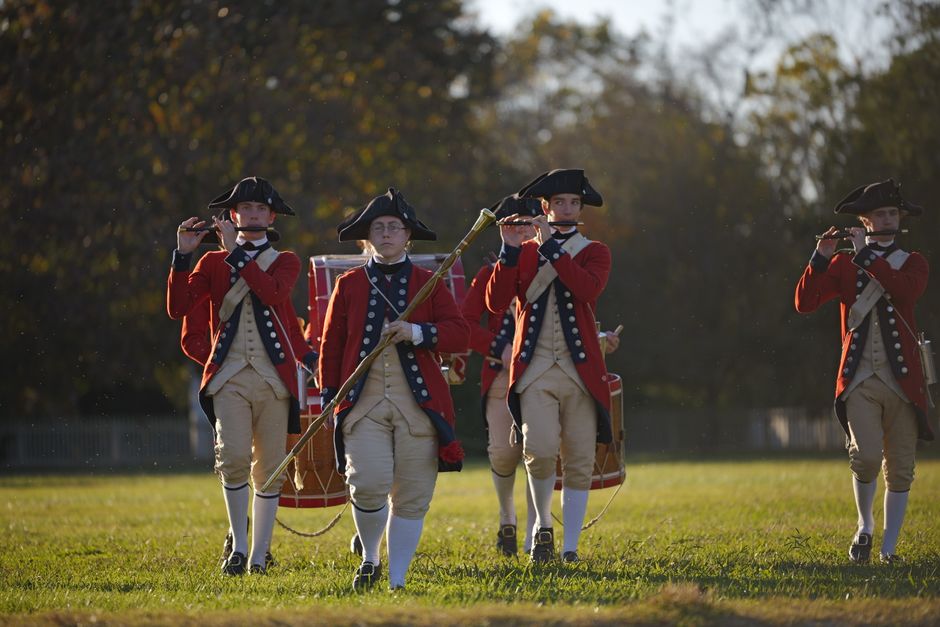
The average Continental soldier was remarkably young, with many enlistees in their mid-to-late teens. Boys as young as twelve or thirteen served as drummers, fifers, and messengers. These young musicians weren’t just for morale—their drumbeats and horn calls communicated orders across noisy battlefields. Some teenagers even served in combat roles, and several notable Revolutionary figures, including the Marquis de Lafayette, were only nineteen when they joined the fight. The youth of these soldiers adds a poignant dimension to the sacrifices made during the war.
7. Smallpox Was Deadlier Than British Bullets
Disease, particularly smallpox, killed more soldiers during the Revolution than combat did. Recognizing this threat, George Washington made the controversial decision to inoculate the Continental Army against smallpox in 1777, one of the first mass military inoculations in history. This decision proved crucial, as British forces had generally been exposed to smallpox in childhood and possessed immunity, giving them an inadvertent biological advantage. Washington’s public health initiative potentially saved the Revolution by keeping his army operational.
8. Many Loyalists Fled to Canada
Not all colonists supported independence—historians estimate that roughly one-third of colonists remained loyal to the British Crown. Following the Revolution, approximately 60,000 Loyalists fled to other British territories, particularly Canada, where their arrival significantly shaped Canadian development. These refugees included people from all walks of life, from wealthy merchants to formerly enslaved people seeking the freedom Britain had promised. This mass migration represented one of the largest political refugee movements in North American history.
9. Women Played Vital Combat and Support Roles
Women contributed to the war effort in numerous crucial ways, far beyond traditional home front support. Thousands served as camp followers, providing essential services like cooking, nursing, and laundry for armies on both sides. Some women, like Deborah Sampson, disguised themselves as men to fight. Others, including Margaret Corbin and Mary Ludwig Hays (possibly the inspiration for “Molly Pitcher”), took over cannon operation when their husbands fell in battle. Women also served as spies, messengers, and suppliers, with their contributions often going unrecognized in historical accounts.
10. The Treaty of Paris Was Signed Two Years After Fighting Ended
While the decisive Battle of Yorktown occurred in October 1781, the Treaty of Paris that officially ended the war wasn’t signed until September 3, 1783—nearly two years later. Negotiations were complex, involving not just American and British representatives but also French, Spanish, and Dutch interests. During this period, the situation remained uncertain, with some skirmishes continuing and both sides maintaining military readiness. The treaty’s terms were remarkably favorable to the new United States, granting territory extending to the Mississippi River and securing international recognition of American independence.
Conclusion
These ten facts illuminate the complexity, humanity, and fascinating details of the American Revolution that often escape popular understanding. From Washington’s strategic patience to the crucial role of French support, from the youth of common soldiers to the devastating impact of disease, these elements remind us that history is far richer than simplified narratives suggest. The Revolution was won not just through grand battles and famous declarations, but through the contributions of diverse people facing extraordinary challenges. Understanding these lesser-known aspects helps us appreciate the true sacrifice, complexity, and remarkable nature of America’s founding conflict, while recognizing that the ideals fought for during this period continue to evolve and inspire generations centuries later.
