



















1 / 20 Questions
0 Points

Which virus causes chickenpox?

Varicella zoster

Rhinovirus

Influenza

Coronavirus

Points won
0
Correct score
0%

More Articles

Did You Know? 10 Mind-Blowing Facts About the Human Brain

Did You Know? 10 Mind-Blowing Facts About the Human Brain

⏱️ 6 min read

Did You Know? 10 Mind-Blowing Facts About the Human Brain

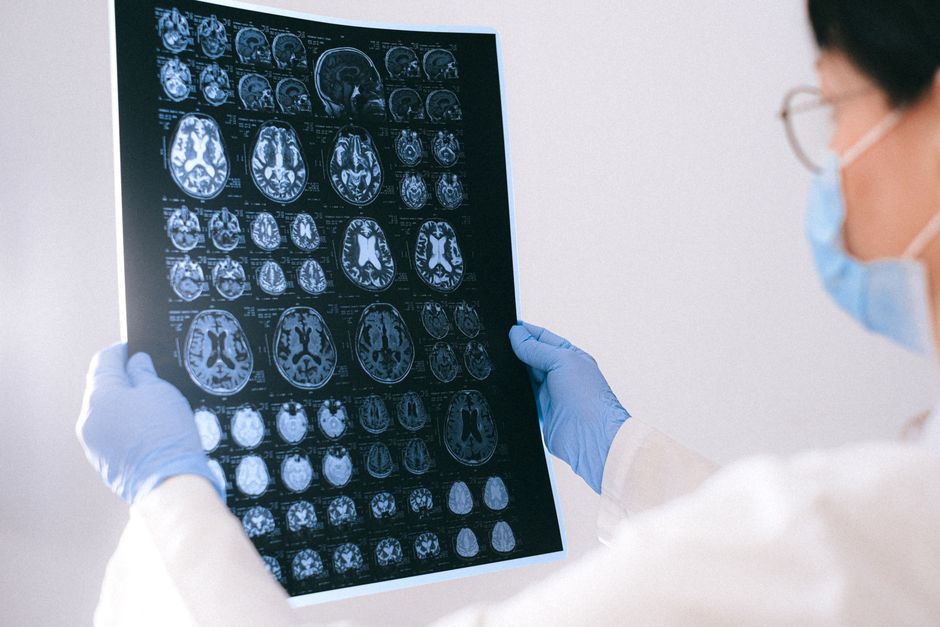
The human brain stands as one of the most complex and mysterious organs in the known universe. Weighing approximately three pounds and containing roughly 86 billion neurons, this remarkable structure controls every aspect of human existence—from breathing and heartbeat to consciousness, creativity, and emotion. Despite centuries of scientific inquiry, the brain continues to reveal astonishing secrets that challenge our understanding of what it means to be human. The following ten facts showcase just how extraordinary this biological supercomputer truly is.

1. The Brain Uses 20% of the Body's Energy

Despite accounting for only about 2% of total body weight, the human brain consumes approximately 20% of the body's total energy and oxygen supply. This disproportionate energy demand reflects the intense metabolic activity required to maintain neural connections, transmit electrical signals, and support conscious thought. Even during sleep, the brain remains highly active, using nearly as much energy as when awake. This high energy requirement explains why proper nutrition and adequate sleep are critical for optimal cognitive function.

2. Neural Signals Travel at Incredibly High Speeds

Information travels through the brain at speeds up to 268 miles per hour, faster than Formula 1 race cars. These electrical impulses, transmitted between neurons across synapses, enable the split-second decision-making and reflexes that keep humans safe and functional. The speed of neural transmission depends on several factors, including whether the nerve fibers are myelinated—covered with a fatty insulating layer that accelerates signal propagation. This remarkable communication speed allows the brain to coordinate complex bodily functions and respond to environmental stimuli almost instantaneously.

3. The Brain Can Generate Enough Electricity to Power a Light Bulb

The human brain generates approximately 12-25 watts of electricity when awake—enough to power a low-wattage LED light bulb. This electrical activity results from the constant firing of neurons, which communicate through electrochemical signals. Scientists can measure this electrical activity using electroencephalography (EEG), a technique that has revolutionized our understanding of brain function, sleep patterns, and neurological disorders. The brain's electrical nature also makes it susceptible to external electromagnetic fields, though the effects of such exposure remain a subject of ongoing research.

4. Brain Size Has Decreased Over the Last 20,000 Years

Contrary to expectations about human evolution, the average human brain has actually shrunk by approximately 10% over the past 20,000 years. Scientists have proposed several theories to explain this phenomenon, including changes in diet, increased efficiency in neural connections, and the outsourcing of memory to external sources like written language. Some researchers suggest that smaller, more efficient brains may have provided evolutionary advantages by reducing energy requirements while maintaining or even enhancing cognitive capabilities through more optimized neural networks.

5. The Brain Can't Feel Pain

Remarkably, the brain itself contains no pain receptors and cannot feel pain. This surprising fact allows neurosurgeons to perform certain brain operations on conscious patients without causing discomfort to the brain tissue itself. While the brain processes pain signals from throughout the body, it cannot sense damage to its own tissue. Headaches, despite feeling like they originate in the brain, actually result from pain receptors in blood vessels, membranes, and muscles surrounding the brain. This unique characteristic has been crucial in advancing our understanding of brain function through awake brain surgery procedures.

6. Human Brains Are 73% Water

Water comprises approximately 73% of the brain's composition, making proper hydration essential for optimal cognitive function. Even mild dehydration of just 2% can impair attention, memory, and other cognitive skills. The brain's high water content is necessary for the production of neurotransmitters and hormones, the cushioning and protection of brain tissue, and the efficient delivery of nutrients while removing waste products. This dependence on water explains why dehydration often leads to symptoms like difficulty concentrating, mood changes, and mental fatigue.

7. The Brain Continues Developing Until Age 25

While the brain reaches approximately 95% of its adult size by age six, it continues developing and refining connections well into a person's mid-twenties. The prefrontal cortex, responsible for decision-making, planning, and impulse control, is the last region to fully mature, typically completing development around age 25. This extended development period explains why teenagers and young adults often exhibit different judgment and risk-assessment capabilities compared to older adults. Understanding this developmental timeline has significant implications for education, criminal justice, and public policy.

8. The Brain Generates New Cells Throughout Life

For decades, scientists believed that humans were born with all the brain cells they would ever have. However, research has revealed that neurogenesis—the formation of new neurons—continues throughout life, particularly in the hippocampus, a region crucial for learning and memory. This discovery has revolutionized our understanding of brain plasticity and opened new avenues for treating neurological conditions. Factors that promote neurogenesis include regular exercise, adequate sleep, stress reduction, and lifelong learning, highlighting the importance of healthy lifestyle choices for brain health.

9. The Brain Stores Memories Throughout Its Structure

Unlike computer hard drives that store data in specific locations, the brain distributes memories across multiple regions in complex networks. A single memory can involve visual, auditory, emotional, and contextual components stored in different areas that work together to reconstruct the experience. This distributed storage system explains why brain injuries rarely erase specific memories completely and why remembering one aspect of an event can trigger recall of related details. The brain's memory system is dynamic and reconstructive, meaning memories are actively rebuilt each time they're recalled, making them susceptible to modification and distortion.

10. The Brain Can Process Information While You Sleep

Far from being inactive, the sleeping brain actively processes information, consolidates memories, and even solves problems. During sleep, the brain replays experiences from the day, strengthening important neural connections while pruning unnecessary ones. Research has shown that people can learn new information, form new memories, and gain insights into complex problems during sleep. This nocturnal processing explains why "sleeping on it" often leads to better decision-making and why adequate sleep is essential for learning, creativity, and cognitive performance.

Conclusion

These ten remarkable facts barely scratch the surface of the human brain's complexity and capabilities. From its extraordinary energy consumption and electrical activity to its lifelong capacity for growth and adaptation, the brain continues to astound researchers and challenge our understanding of consciousness and cognition. As neuroscience advances, each discovery not only reveals new mysteries but also reinforces the critical importance of protecting and nurturing this extraordinary organ through healthy lifestyle choices, continuous learning, and adequate rest. The human brain remains one of science's greatest frontiers, promising countless revelations about the nature of human existence for generations to come.


12 Fun Facts About Sports Nutrition

12 Fun Facts About Sports Nutrition

⏱️ 6 min read

12 Fun Facts About Sports Nutrition

Sports nutrition is a fascinating field that combines cutting-edge science with practical application to help athletes of all levels perform at their best. While many people understand the basics of eating well for exercise, there are numerous surprising and entertaining facts about how nutrition impacts athletic performance. From the unexpected benefits of certain foods to the debunking of long-held myths, these twelve fun facts about sports nutrition will change the way you think about fueling your body for physical activity.

1. Chocolate Milk Is a Scientific Recovery Drink

One of the most surprising discoveries in sports nutrition is that chocolate milk rivals expensive recovery drinks in effectiveness. Studies have shown that the 4:1 carbohydrate-to-protein ratio in chocolate milk is nearly perfect for post-workout recovery. This humble beverage helps replenish glycogen stores, repair muscle tissue, and rehydrate the body. Many professional athletes, including Olympic swimmers and marathon runners, swear by this delicious and affordable recovery option.

2. Beetroot Juice Enhances Endurance Performance

Research has revealed that beetroot juice can significantly improve athletic endurance. The nitrates found in beetroots convert to nitric oxide in the body, which improves blood flow and oxygen delivery to muscles. Athletes who consume beetroot juice before competition have demonstrated improved time-to-exhaustion and enhanced performance in endurance events. This natural performance enhancer has become increasingly popular among distance runners, cyclists, and triathletes.

3. Timing Matters More Than You Think

The concept of nutrient timing has revolutionized sports nutrition. The body has specific windows of opportunity when it can best utilize certain nutrients. The "anabolic window" immediately following exercise is crucial for recovery, with experts recommending protein and carbohydrate consumption within 30-60 minutes post-workout. Additionally, eating carbohydrates before bed can actually benefit athletes by supporting overnight recovery and muscle protein synthesis.

4. Carbohydrates Aren't the Enemy

Despite popular diet trends, carbohydrates remain the primary fuel source for high-intensity athletic performance. The body stores carbohydrates as glycogen in muscles and the liver, providing readily available energy during exercise. Elite athletes typically consume 60-70% of their daily calories from carbohydrates. Without adequate carbohydrate intake, athletic performance suffers dramatically, particularly in sports requiring explosive power or sustained effort.

5. Protein Needs Are Higher But Not Excessive

While protein is essential for muscle repair and growth, athletes don't need to consume extreme amounts. Research indicates that athletes require approximately 1.2 to 2.0 grams of protein per kilogram of body weight daily, compared to 0.8 grams for sedentary individuals. Consuming more protein than necessary doesn't lead to additional muscle gain and may actually displace other important nutrients. The key is consistent, adequate intake spread throughout the day rather than massive quantities in single meals.

6. Hydration Affects Performance Before You Feel Thirsty

Athletic performance can decline with as little as 2% body weight loss from dehydration, often before an athlete even feels thirsty. This seemingly small deficit can reduce strength, power, and endurance while increasing fatigue and perceived exertion. Even more surprisingly, chronic mild dehydration is common among athletes, affecting training quality and recovery. Monitoring urine color and body weight changes provides better hydration status indicators than relying on thirst alone.

7. Caffeine Is a Legal Performance Enhancer

Caffeine is one of the most researched and effective ergogenic aids available to athletes. It enhances performance by reducing perceived exertion, increasing fat oxidation, and improving mental focus. The optimal dose for performance benefits is typically 3-6 milligrams per kilogram of body weight, consumed 30-60 minutes before exercise. Major sporting organizations permit caffeine use, making it a legal and accessible way to gain a competitive edge.

8. Gut Health Impacts Athletic Performance

The gut microbiome plays a crucial role in nutrient absorption, immune function, and inflammation control—all vital for athletic performance. Athletes who prioritize gut health through probiotic-rich foods and adequate fiber intake often experience improved recovery, reduced illness, and better training consistency. Some research suggests that the gut microbiome composition may even differ between elite athletes and non-athletes, with athletes showing greater microbial diversity.

9. Salt Isn't Always the Villain

While excessive sodium intake concerns the general population, athletes often need more salt than sedentary individuals. Endurance athletes can lose significant sodium through sweat, with some losing over 1,000 milligrams per hour during intense exercise. Inadequate sodium replacement can lead to hyponatremia, a dangerous condition where blood sodium levels drop too low. Many athletes benefit from adding extra salt to their diet, particularly during heavy training periods or in hot climates.

10. Vitamin D Deficiency Is Common in Athletes

Despite spending considerable time training outdoors, many athletes are deficient in vitamin D. This vitamin plays crucial roles in bone health, muscle function, and immune system regulation. Athletes training primarily indoors, living in northern latitudes, or with darker skin pigmentation face higher deficiency risks. Inadequate vitamin D levels have been linked to increased injury risk, illness frequency, and decreased athletic performance, making supplementation important for many athletes.

11. Mental Performance Is Influenced by Nutrition

Sports nutrition doesn't just affect physical capabilities—it significantly impacts cognitive function and decision-making during competition. Carbohydrate availability influences brain function, with low blood sugar impairing concentration, reaction time, and skill execution. Omega-3 fatty acids support brain health and may reduce concussion risk and severity. Even mild dehydration can impair cognitive performance, affecting split-second decisions crucial in many sports.

12. One Size Doesn't Fit All

Perhaps the most important fact about sports nutrition is that individual variability is enormous. Factors including genetics, training status, sport type, body composition, and metabolic rate all influence nutritional needs. What works optimally for one athlete may not suit another, even in the same sport. Personalized nutrition approaches, sometimes using genetic testing or metabolic assessment, are becoming increasingly popular for optimizing individual athletic performance.

Conclusion

These twelve fun facts about sports nutrition demonstrate that fueling athletic performance involves much more than simply eating healthy foods. From the surprising effectiveness of chocolate milk to the importance of individualized nutrition plans, the science of sports nutrition continues to evolve and reveal fascinating insights. Whether you're a professional athlete or a weekend warrior, understanding these principles can help optimize your performance, recovery, and overall health. The intersection of food and athletic performance remains an exciting area of research, with new discoveries constantly reshaping our understanding of how to fuel the human body for optimal physical achievement.