



















1 / 20 Questions
0 Points

Which part of the nervous system controls 'fight or flight' response?

Somatic

Enteric

Sympathetic

Parasympathetic

Points won
0
Correct score
0%

More Articles

Did You Know? 15 Fascinating Facts About the Grammy Awards

Did You Know? 15 Fascinating Facts About the Grammy Awards

⏱️ 6 min read

Did You Know? 15 Fascinating Facts About the Grammy Awards

The Grammy Awards stand as one of the most prestigious honors in the music industry, recognizing artistic achievement and technical excellence across numerous genres. Since its inception, the ceremony has evolved into a global spectacle that celebrates musical innovation and talent. Behind the glittering trophies and memorable performances lies a treasure trove of intriguing history and surprising details. Here are 15 fascinating facts about the Grammy Awards that even devoted music fans might not know.

1. The First Grammy Awards Ceremony Was Held in 1959

The inaugural Grammy Awards took place on May 4, 1959, in a dual ceremony format. Awards were simultaneously presented at two venues: the Beverly Hilton Hotel in Beverly Hills, California, and the Park Sheraton Hotel in New York City. This bicoastal approach reflected the music industry's major hubs at the time and set the stage for what would become an annual tradition.

2. The Trophy Is Named After the Gramophone

The iconic golden gramophone trophy that winners receive is the namesake of the awards themselves. The term "Grammy" is a shortened, affectionate version of "gramophone," the device that revolutionized music playback in the early 20th century. Each trophy is manufactured by Billings Artworks in Colorado and features a gramophone with a tone arm and a vinyl record.

3. Georg Solti Holds the Record for Most Grammy Wins

Classical conductor Georg Solti remains the individual with the most Grammy Awards ever received, with an astounding 31 wins throughout his career. The Hungarian-British conductor earned his awards primarily for his work with the Chicago Symphony Orchestra. His record demonstrates the Grammy's commitment to recognizing excellence across all musical genres, not just contemporary popular music.

4. Beyoncé Is the Most Awarded Female Artist

As of 2024, Beyoncé holds the distinction of being the most awarded female artist in Grammy history and the most awarded artist overall, surpassing Georg Solti's long-standing record. Her wins span multiple categories and genres, showcasing her versatility and sustained excellence in the music industry over more than two decades.

5. The Awards Cover More Than 80 Categories

The Grammy Awards encompass an extensive range of musical categories, with over 80 different awards presented annually. These categories span everything from traditional pop and rock to Latin music, jazz, classical, gospel, reggae, and even spoken word albums. This comprehensive approach ensures recognition for artists across the entire spectrum of musical expression.

6. Academy Membership Exceeds 13,000 Music Professionals

The Recording Academy, which organizes the Grammy Awards, comprises more than 13,000 music industry professionals. These voting members include artists, producers, engineers, and other creative and technical music professionals who collectively determine the nominees and winners through a peer-review process. This voting body ensures that awards are decided by those with direct industry expertise.

7. Christopher Cross Achieved a Historic Sweep in 1981

In 1981, Christopher Cross became the first artist to win all four major Grammy categories in a single year: Record of the Year, Album of the Year, Song of the Year, and Best New Artist. This remarkable achievement, accomplished with his self-titled debut album and the hit song "Sailing," remains one of the most impressive feats in Grammy history. Only one other artist, Billie Eilish in 2020, has since replicated this accomplishment.

8. The Ceremony Wasn't Televised Until 1971

Despite being established in 1959, the Grammy Awards didn't receive national television coverage until 1971, when ABC first broadcast the ceremony. Prior to this, the event was a relatively intimate industry affair. The introduction of television coverage transformed the Grammys into the spectacular entertainment event recognized worldwide today.

9. U2 Holds the Record for Most Grammys by a Rock Band

The Irish rock band U2 has accumulated 22 Grammy Awards throughout their career, making them the most awarded rock group in Grammy history. Their wins span from the mid-1980s through the 21st century, reflecting their sustained relevance and artistic evolution over multiple decades.

10. The "Big Four" Categories Weren't Always Presented Last

The four major Grammy categories—Record of the Year, Album of the Year, Song of the Year, and Best New Artist—weren't always the climactic finale of the broadcast. This tradition evolved over time as producers recognized the dramatic potential of saving the most prestigious awards for the conclusion of the ceremony, maximizing viewership and anticipation.

11. Posthumous Wins Are Possible and Have Occurred

The Grammy Awards have honored several artists posthumously, recognizing their contributions after their passing. Notable posthumous winners include John Lennon, Janis Joplin, Otis Redding, and more recently, Amy Winehouse, who won five Grammys in 2008, and Prince, who received additional recognition after his death in 2016.

12. The Youngest Solo Winner Was Leah Peasall

Leah Peasall holds the record as the youngest individual Grammy winner. She was only eight years old when she won Album of the Year in 2002 as part of the collaborative soundtrack for "O Brother, Where Art Thou?" This record highlights how the Grammy Awards recognize collective achievements that can include performers of all ages.

13. The Latin Grammy Awards Are a Separate Entity

While the Grammy Awards include several Latin music categories, the Latin Grammy Awards exist as a separate ceremony organized by the Latin Recording Academy. Established in 2000, the Latin Grammys specifically celebrate artistic and technical excellence in Latin music, with awards presented for recordings in Spanish and Portuguese.

14. Political and Social Statements Have Shaped Grammy Moments

The Grammy stage has witnessed numerous powerful political and social statements throughout its history. From U2's performance addressing American politics to artists wearing white roses in support of the Time's Up movement, the ceremony has served as a platform for musicians to advocate for causes beyond music, reflecting the cultural influence wielded by the Recording Academy and its honored artists.

15. Grammy Week Includes Educational and Philanthropic Events

The Grammy Awards ceremony represents just the culmination of Grammy Week, which includes numerous events beyond the televised show. These activities encompass educational programs for aspiring musicians, philanthropic initiatives supporting music education and preservation, and various industry networking events. This extended programming demonstrates the Recording Academy's commitment to supporting music culture beyond simply honoring established achievements.

Conclusion

These 15 fascinating facts reveal that the Grammy Awards represent far more than a single night of celebration. From its humble bicoastal beginnings in 1959 to its current status as a global phenomenon, the Grammys have continuously evolved while maintaining their core mission of recognizing musical excellence. Whether it's the remarkable achievements of record-holders like Georg Solti and Beyoncé, the comprehensive coverage of over 80 musical categories, or the ceremony's role as a platform for social advocacy, the Grammy Awards reflect the diversity, creativity, and cultural significance of music itself. Understanding these details enriches our appreciation for not only the awards but also the incredible artistry and dedication of the musicians who continue to push creative boundaries and inspire audiences worldwide.
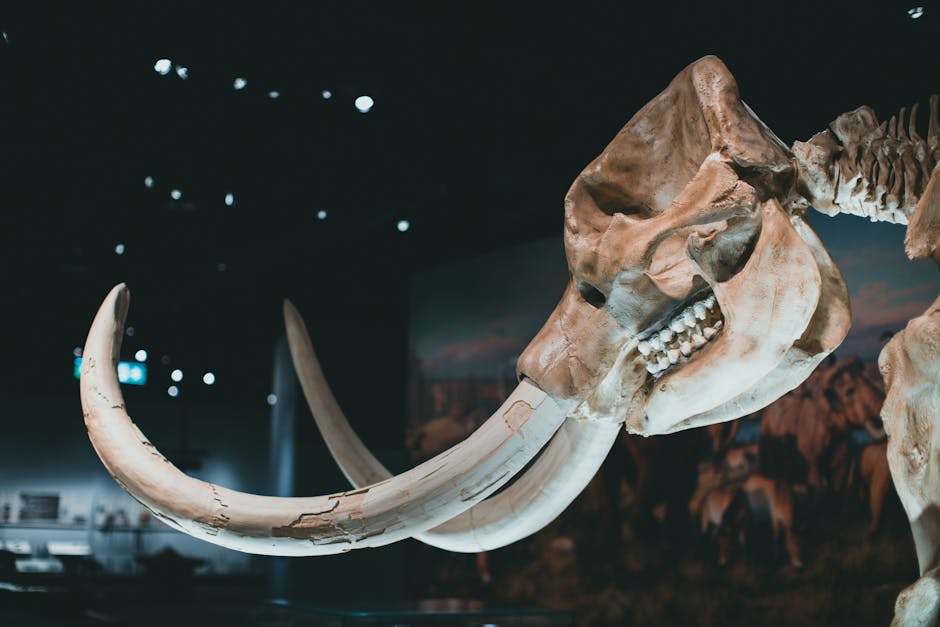

Did You Know? 15 Facts About Extinct Animals

Did You Know? 15 Facts About Extinct Animals

⏱️ 7 min read

Did You Know? 15 Facts About Extinct Animals

Throughout Earth's history, countless species have come and gone, leaving behind only fossils, bones, and stories of their existence. Extinction is a natural part of evolution, yet understanding the animals we've lost provides valuable insights into biodiversity, ecosystem dynamics, and the consequences of environmental change. From massive prehistoric creatures to animals that vanished in recent centuries, the following fifteen facts reveal fascinating details about extinct animals that once roamed our planet.

1. The Dodo Bird Was Not Actually Stupid

Contrary to popular belief, the dodo bird from Mauritius was not unintelligent. This flightless bird became extinct around 1681, approximately 100 years after humans first arrived on the island. The dodo evolved without natural predators, which made it fearless rather than foolish. Its extinction resulted from human hunting, habitat destruction, and invasive species introduced by sailors, including rats, pigs, and monkeys that ate dodo eggs.

2. Woolly Mammoths Lived During the Egyptian Pyramids

While most woolly mammoths died out around 10,000 years ago, a small population survived on Wrangel Island in the Arctic Ocean until approximately 2000 BCE. This means these magnificent creatures were still alive when the Great Pyramid of Giza was being constructed, challenging our perception of mammoths as exclusively prehistoric animals.

3. The Tasmanian Tiger Was Neither Tiger Nor Wolf

The thylacine, commonly known as the Tasmanian tiger or Tasmanian wolf, was actually a marsupial, more closely related to kangaroos than to any canine or feline species. The last known thylacine died in captivity at Hobart Zoo in Tasmania in 1936. This carnivorous marsupial had a distinctive striped back and could open its jaws to an extraordinary 120-degree angle.

4. Passenger Pigeons Darkened the Sky in Billions

In the early 1800s, passenger pigeons were arguably the most abundant bird species on Earth, with populations estimated between three to five billion individuals. Migration flocks were so massive they could take hours or even days to pass overhead, literally darkening the sky. Despite their incredible numbers, the last passenger pigeon, named Martha, died in the Cincinnati Zoo in 1914, marking one of the most dramatic extinctions in recorded history.

5. Megalodons Had Teeth the Size of Human Hands

The megalodon, a prehistoric shark that went extinct approximately 3.6 million years ago, was one of the most powerful predators ever to exist. This massive shark could grow up to 60 feet in length, with teeth measuring over seven inches long. Scientists estimate that megalodons had a bite force exceeding 40,000 pounds per square inch, making it one of the strongest bites in animal history.

6. The Quagga Was Half Zebra, Half Horse in Appearance

The quagga, a subspecies of plains zebra, displayed stripes only on the front portion of its body, while its rear was solid brown. Native to South Africa, the quagga was hunted to extinction by the 1880s for its hide and to preserve grazing land for domesticated animals. Interestingly, modern scientists have attempted to selectively breed zebras to recreate the quagga's distinctive appearance through the Quagga Project.

7. Giant Ground Sloths Were Larger Than Elephants

Megatherium, the giant ground sloth that inhabited South America until about 10,000 years ago, could grow up to 20 feet long and weigh four tons. Unlike their modern tree-dwelling descendants, these massive creatures walked on their hind legs and could stand upright to reach vegetation. They possessed enormous claws that measured up to a foot in length.

8. The Steller's Sea Cow Was Discovered and Extinct Within 27 Years

Georg Wilhelm Steller first documented the Steller's sea cow in 1741 near the Commander Islands in the Bering Sea. This massive marine mammal, growing up to 30 feet long and weighing up to 11 tons, was hunted to extinction by 1768. The sea cow was completely tame and slow-moving, making it an easy target for sailors seeking meat and fat.

9. Irish Elk Had the Largest Antlers of Any Known Deer

Despite its name, the Irish elk was neither exclusively Irish nor an elk—it was the largest deer species ever to exist. Males carried massive antlers spanning up to 12 feet across and weighing approximately 90 pounds. These magnificent creatures went extinct around 7,700 years ago, likely due to climate change and human hunting pressure.

10. The Great Auk Was the Original Penguin

The great auk, a flightless seabird of the North Atlantic, was actually the original bird to be called a "penguin." When European explorers later encountered similar-looking birds in the Southern Hemisphere, they applied the same name, which is why modern penguins carry this designation. The last confirmed pair of great auks was killed in Iceland in 1844.

11. Saber-Toothed Cats Had Fragile Teeth

The iconic saber-toothed cat, particularly Smilodon, possessed canine teeth that could grow over seven inches long. However, these impressive weapons were relatively fragile and could break if used incorrectly. Scientists believe these predators used precision bites to the throat or soft underbelly of prey rather than struggling with victims, as their teeth couldn't withstand excessive force or twisting.

12. The Moa Birds Were Hunted by Giant Eagles

Moas were massive flightless birds native to New Zealand, with the largest species standing up to 12 feet tall. Before human arrival, their primary predator was the Haast's eagle, the largest eagle ever known, with a wingspan exceeding 10 feet. Both species went extinct following human colonization of New Zealand, with the moa disappearing around 1400 CE and the eagle shortly after, having lost its primary food source.

13. Carolina Parakeets Were America's Only Native Parrot

The Carolina parakeet was the only parrot species native to the eastern United States, known for its brilliant green, yellow, and orange plumage. These social birds lived in large, noisy flocks and were declared extinct in 1939. Their downfall came from habitat destruction, hunting for their colorful feathers, and persecution by farmers who considered them pests.

14. Glyptodon Was an Ancient Armadillo the Size of a Car

Glyptodon was a prehistoric relative of modern armadillos that lived in South America until about 10,000 years ago. These creatures could grow up to 11 feet long and weigh nearly 4,400 pounds. They possessed a thick, dome-shaped protective shell composed of more than 1,000 bony plates and a heavily armored tail that some species could use as a defensive club.

15. The Baiji River Dolphin Was Declared Functionally Extinct in 2006

The baiji, or Yangtze River dolphin, represents one of the most recent extinctions of a large vertebrate species. This unique freshwater dolphin, endemic to China's Yangtze River, was declared functionally extinct in 2006 after an extensive survey failed to locate any individuals. The baiji's extinction resulted from pollution, boat traffic, overfishing, and dam construction that fragmented its habitat.

Conclusion

These fifteen facts about extinct animals illustrate the incredible diversity of life that has existed on Earth and the fragility of species in the face of environmental change and human activity. From the massive megalodon prowling prehistoric seas to the recent loss of the baiji dolphin, extinction has shaped and continues to shape our planet's biodiversity. While natural extinction is part of evolutionary processes, the accelerating rate of human-caused extinctions serves as a sobering reminder of our impact on the natural world. Understanding these lost species helps us appreciate the importance of conservation efforts and the need to protect the remarkable animals that remain with us today. Each extinct species represents not just a lost form of life, but an irreplaceable thread in the complex tapestry of Earth's ecological history.