




⏱️ 6 min read
15 Surprising Facts About Deserts
Deserts often conjure images of endless sand dunes, scorching heat, and barren landscapes devoid of life. However, these extraordinary ecosystems are far more complex and fascinating than common perception suggests. Covering approximately one-third of Earth's land surface, deserts are among the planet's most diverse and misunderstood biomes. From frozen wastelands to foggy coastal regions, deserts challenge our conventional understanding of what these environments truly represent. The following fifteen facts reveal the surprising realities of desert ecosystems that continue to captivate scientists and explorers alike.
1. Not All Deserts Are Hot
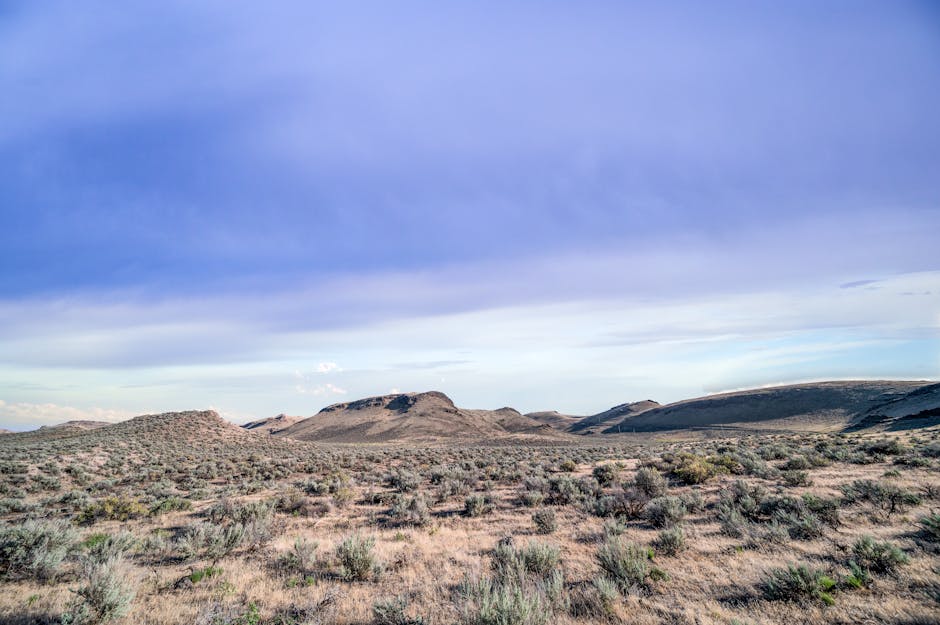
Contrary to popular belief, deserts are defined by precipitation levels, not temperature. Antarctica is technically the world's largest desert, receiving less than two inches of precipitation annually. Cold deserts, including the Gobi Desert in Asia and the Great Basin in North America, experience freezing temperatures and even snowfall. The defining characteristic of any desert is receiving less than 10 inches of annual rainfall, making aridity rather than heat the key factor.
2. Deserts Cover More Than One-Third of Earth's Land
Desert regions span approximately 33% of the planet's terrestrial surface, affecting every continent except Europe. These vast areas play crucial roles in global climate patterns, atmospheric circulation, and biodiversity. The distribution of deserts is closely linked to atmospheric high-pressure zones, rain shadows created by mountain ranges, and distance from moisture sources like oceans.
3. The Sahara Desert Grows and Shrinks Seasonally
The Sahara Desert, the world's largest hot desert, expands and contracts by approximately 10% between seasons. During summer months, it grows southward, while winter rains cause it to recede northward. Over longer geological timescales, the Sahara has alternated between desert and savanna conditions, with the most recent green period ending only about 5,000 years ago when the region supported lakes, rivers, and abundant wildlife.
4. Some Deserts Receive Fog Instead of Rain
Coastal deserts like the Atacama in Chile and the Namib in southwestern Africa receive minimal rainfall but substantial moisture through fog. Specialized plants and animals have evolved remarkable adaptations to harvest water from fog, including the Namib Desert beetle, which collects condensation on its back, and fog-catching plants with specialized leaf structures.
5. Only 20% of Deserts Are Covered in Sand
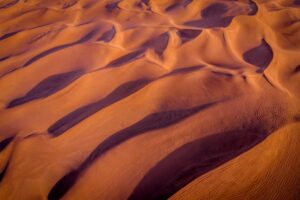
Sandy dunes represent merely one-fifth of desert landscapes worldwide. The remaining 80% consists of rocky plateaus, gravel plains, salt flats, and bare bedrock. These diverse terrain types support different ecosystems and present unique challenges for both wildlife and human activity. The misconception about endless sand dunes stems from popular media representations rather than geological reality.
6. Deserts Are Biodiversity Hotspots
Despite harsh conditions, deserts harbor extraordinary biodiversity with thousands of specialized species. The Sonoran Desert alone supports over 2,000 plant species, 500 bird species, and numerous mammals, reptiles, and insects. Desert organisms have evolved incredible adaptations including water storage capabilities, nocturnal lifestyles, and specialized cooling mechanisms that allow them to thrive where few other creatures can survive.
7. The Driest Place on Earth Is a Desert That Rarely Sees Rain
The Atacama Desert in Chile holds the record as Earth's driest non-polar desert, with some weather stations never having recorded rainfall. Certain areas have received no measurable precipitation for over 400 years. Despite this extreme aridity, microbial life persists in the soil, and coastal areas support ecosystems through fog moisture.
8. Desert Soil Can Be Remarkably Fertile
When water becomes available, desert soils often prove highly productive because limited rainfall prevents nutrient leaching that occurs in wetter climates. Ancient civilizations recognized this, developing sophisticated irrigation systems to transform desert regions into agricultural centers. Modern examples include Israel's successful desert farming and California's Imperial Valley, which produces substantial crop yields through irrigation.
9. Deserts Create Their Own Weather Patterns
Large desert regions influence atmospheric circulation and weather systems far beyond their boundaries. Dust storms from the Sahara Desert transport nutrients across the Atlantic Ocean to the Amazon rainforest, providing essential minerals that support rainforest productivity. Desert heating creates pressure systems that affect global wind patterns and monsoon development.
10. Flash Floods Are Common Desert Hazards
Paradoxically, flooding represents one of the most dangerous desert phenomena. Hard-baked soil and minimal vegetation mean that rainfall, when it occurs, runs off rapidly rather than being absorbed. Arroyos and wadis—dry riverbeds—can transform into raging torrents within minutes, catching unprepared travelers by surprise. More people die from drowning than dehydration in some desert regions.
11. Deserts Are Expanding Due to Climate Change
Desertification affects approximately 12 million hectares annually, threatening agricultural lands and human settlements. The Sahara Desert has expanded by roughly 10% since 1920, with climate change and land management practices both contributing factors. This expansion has profound implications for food security, water resources, and population displacement in vulnerable regions.
12. Some Desert Plants Can Live for Thousands of Years
The harsh desert environment paradoxically enables exceptional longevity in certain plant species. Creosote bush clones in the Mojave Desert are estimated at over 11,000 years old, while individual welwitschia plants in the Namib Desert can survive for 2,000 years. Slow growth rates and specialized survival adaptations contribute to these remarkable lifespans.
13. Deserts Contain Vast Underground Water Reserves
Beneath many deserts lie significant aquifers containing fossil water from wetter climatic periods. The Nubian Sandstone Aquifer beneath the Sahara is one of the world's largest groundwater systems, though it represents a non-renewable resource in human timescales. These hidden water reserves have supported civilizations for millennia and continue to supply modern desert cities.
14. Desert Temperatures Can Swing 40°F in a Single Day
Low humidity and minimal cloud cover allow deserts to experience extreme temperature fluctuations between day and night. Desert surfaces absorb intense solar radiation during daylight, then rapidly release heat after sunset. This dramatic variation challenges both wildlife and human inhabitants, requiring specialized adaptations for thermal regulation.
15. Ancient Deserts Preserve Archaeological Treasures
The dry, stable conditions in desert environments create exceptional preservation conditions for archaeological materials. Ancient texts, including the Dead Sea Scrolls, survived for millennia in desert caves. Egyptian tombs, Nazca Lines in Peru, and countless other archaeological sites owe their remarkable preservation to desert aridity, providing invaluable insights into past civilizations.
Conclusion
These fifteen surprising facts demonstrate that deserts are far more than lifeless wastelands. They are dynamic, diverse ecosystems that influence global climate patterns, harbor unique biodiversity, and preserve irreplaceable cultural heritage. From frozen polar deserts to fog-shrouded coastal regions, from ancient underground aquifers to expanding boundaries driven by climate change, deserts continue to challenge our assumptions and reveal new scientific insights. Understanding these remarkable environments becomes increasingly important as human activities and climate change reshape desert regions worldwide, affecting billions of people who depend on these ecosystems for survival and sustenance.