








⏱️ 6 min read
Did You Know? 12 Historical Myths People Still Believe
History is often said to be written by the victors, but it's also frequently distorted by time, popular culture, and repeated misconceptions. Many "facts" that people confidently cite about historical events, figures, and periods are actually myths that have been debunked by historians and researchers. These persistent falsehoods continue to shape our understanding of the past, despite evidence to the contrary. Here are twelve historical myths that remain surprisingly widespread, along with the truth behind each one.
1. Vikings Wore Horned Helmets
Perhaps one of the most enduring images of Vikings is warriors wearing horned helmets into battle. However, there is no archaeological evidence that Vikings ever wore horned helmets. This myth originated in the 19th century, popularized by costume designer Carl Emil Doepler for Richard Wagner's opera cycle "Der Ring des Nibelungen." In reality, Viking helmets were simple and practical, designed to protect the head without unnecessary embellishments that could be grabbed by enemies or catch weapons.
2. Napoleon Bonaparte Was Extremely Short
The term "Napoleon complex" exists because of the widespread belief that Napoleon was unusually short. In reality, Napoleon stood about 5 feet 7 inches tall, which was actually average or slightly above average for French men of his era. The confusion arose from differences between French and English measurement systems, and British propaganda that portrayed him as diminutive helped cement this false image in popular consciousness.
3. Medieval People Believed the Earth Was Flat
Contrary to popular belief, educated people in medieval Europe did not believe the earth was flat. Greek philosophers had established the Earth's spherical nature centuries earlier, and this knowledge persisted through the Middle Ages. The myth that Columbus had to convince people the Earth was round is a 19th-century invention. Medieval scholars debated the size of the Earth, not its shape.
4. George Washington Had Wooden Teeth
While George Washington did suffer from dental problems throughout his life and wore dentures, they were not made of wood. His false teeth were constructed from a variety of materials including ivory, gold, lead, and even teeth from humans and animals. The myth of wooden teeth likely arose from the discoloration and grain-like appearance of ivory dentures as they aged and absorbed stains.
5. The Great Wall of China Is Visible From Space
This frequently repeated "fact" is actually false. The Great Wall of China is not visible from space with the naked eye, and certainly not from the moon. This myth has been debunked by numerous astronauts. While the wall is impressively long, it's relatively narrow and made of materials that blend with the surrounding landscape. From low Earth orbit, many other human-made structures are more easily visible than the Great Wall.
6. Albert Einstein Failed Mathematics in School
The notion that Einstein was a poor student who failed math has become a comforting myth for struggling students, but it's simply untrue. Einstein excelled at mathematics from a young age and had mastered differential and integral calculus by age fifteen. The confusion may have originated from a change in the grading system in Switzerland, where a reversal in the scale made Einstein's excellent grades appear poor when viewed without context.
7. People in the Past Had Much Shorter Lifespans
While average life expectancy was indeed lower in previous centuries, this statistic is misleading. High infant mortality rates drastically reduced the average lifespan. Those who survived childhood often lived into their sixties, seventies, or even longer. The idea that people in medieval times or ancient civilizations were elderly at forty is a misunderstanding of how life expectancy statistics work.
8. Marie Antoinette Said "Let Them Eat Cake"
There is no historical evidence that Marie Antoinette ever uttered this infamous phrase in response to hearing that peasants had no bread. The quote actually appeared in Jean-Jacques Rousseau's "Confessions," written when Marie Antoinette was only eleven years old. This myth exemplifies how popular narratives often attribute dramatic quotes to historical figures without factual basis, particularly when such quotes reinforce existing perceptions.
9. Christopher Columbus Discovered America
Columbus neither discovered America nor was he the first European to reach the Americas. Indigenous peoples had inhabited the continents for thousands of years before Columbus arrived. Additionally, Norse explorer Leif Erikson reached North America around 500 years before Columbus. Columbus never even realized he had reached a new continent, believing until his death that he had found a route to Asia.
10. Roman Gladiators Fought to the Death Every Time
Hollywood has perpetuated the image of gladiatorial combat as always ending in death, but historical evidence suggests otherwise. Gladiators were expensive to train and maintain, making them valuable investments. Most gladiatorial matches were more like modern sporting events, with rules, referees, and matches that ended before death occurred. While fatal contests did happen, they were not the norm.
11. The Pyramids Were Built by Slaves
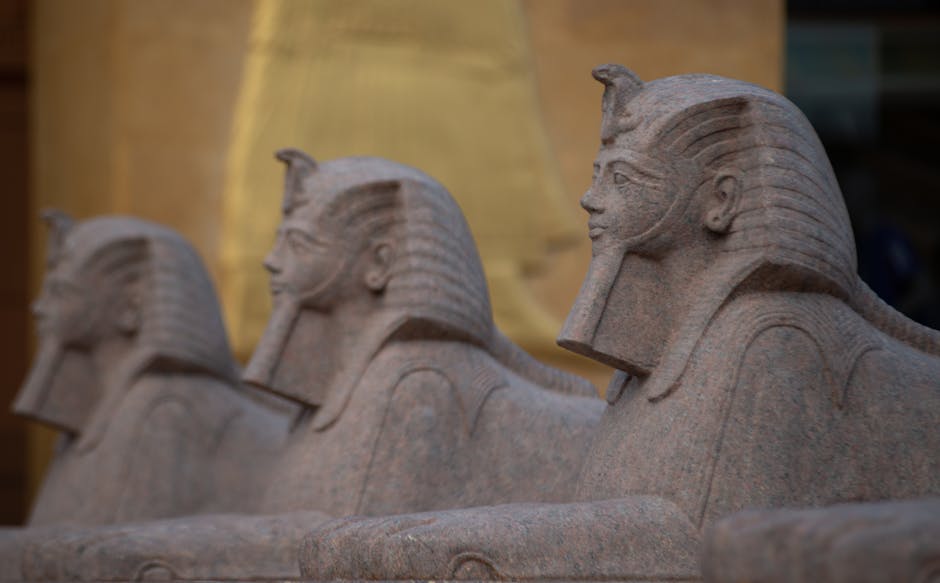
Archaeological evidence has revealed that the Egyptian pyramids were not built by slaves, but by paid laborers. Excavations have uncovered workers' villages with evidence of medical care, food rations, and proper burials. These were skilled workers who took pride in their craft, not the masses of enslaved people depicted in popular culture. The pyramid builders were organized into rotating labor forces drawn from across Egypt.
12. Benjamin Franklin Wanted the Turkey as America's National Bird
While Franklin did write favorably about turkeys and expressed some reservations about the bald eagle, he never formally proposed the turkey as the national symbol. In a private letter to his daughter, Franklin commented that the eagle on the Great Seal looked more like a turkey and noted the turkey's admirable qualities, but this was a humorous observation rather than a serious political proposal.
Conclusion
These twelve myths demonstrate how easily misconceptions can become accepted as historical fact. From Viking helmets to Columbus's discoveries, from Einstein's grades to the construction of the pyramids, our collective understanding of history is often shaped more by compelling narratives than by evidence. Recognizing these myths is important not just for historical accuracy, but because it reminds us to question assumptions and seek reliable sources. As we continue to study and interpret the past, maintaining a critical approach to popular historical narratives helps ensure a more accurate understanding of how our world came to be. The truth is often more nuanced and interesting than the myths that replace it.