









1 / 10 Questions
0 Points

Which country's national animal is a unicorn?

Wales

Scotland

Ireland

Iceland

Points won
0
Correct score
0%

More Articles

Did You Know? 15 Facts About Famous Movie Props

Did You Know? 15 Facts About Famous Movie Props

⏱️ 7 min read

Did You Know? 15 Facts About Famous Movie Props

Movie props are far more than simple objects placed on a set. They become iconic symbols that define cinematic moments and sometimes take on lives of their own long after the credits roll. From unexpected origins to astronomical auction prices, the stories behind famous movie props are often as fascinating as the films themselves. Here are 15 incredible facts about some of cinema's most memorable props that reveal the creativity, innovation, and occasional improvisation that goes into moviemaking.

1. The Ruby Slippers Were Originally Silver

In L. Frank Baum's original novel "The Wonderful Wizard of Oz," Dorothy wore silver shoes, not ruby slippers. The filmmakers changed them to red to take advantage of the relatively new Technicolor process in 1939. The vibrant ruby color would pop on screen in a way that silver simply couldn't. Several pairs were made for the production, and one pair sold at auction in 2012 for $2 million.

2. The Maltese Falcon Statue Was Made of Lead

The legendary black bird from the 1941 film noir classic "The Maltese Falcon" was actually made of lead and weighed approximately 47 pounds. The weight made it challenging for actors to handle during filming, but it gave the prop an authentic heaviness that contributed to its on-screen presence. In 2013, this iconic prop sold at auction for over $4 million, making it one of the most expensive movie props ever sold.

3. The DeLorean Required Constant Cooling

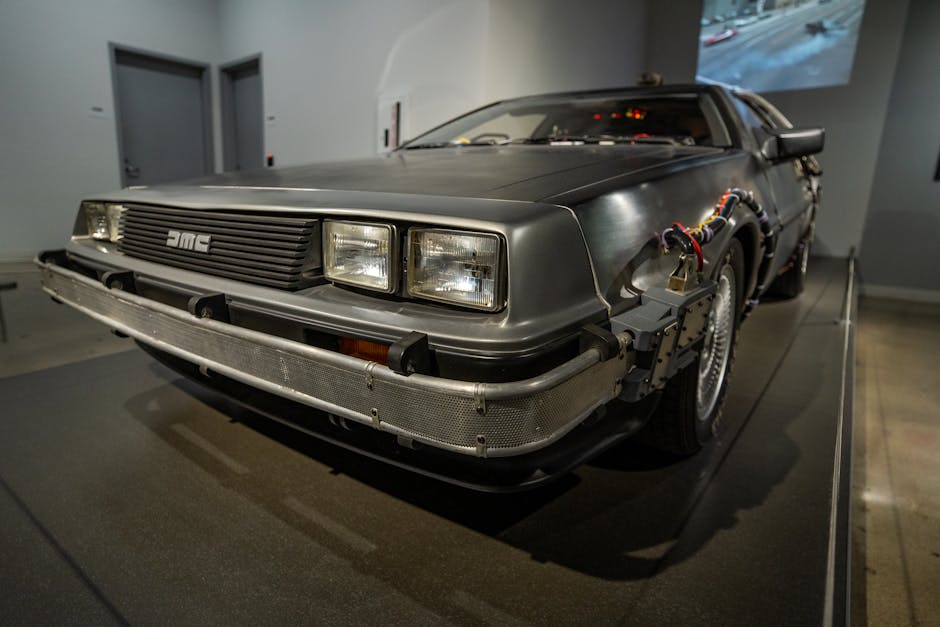
The time machine from "Back to the Future" was a modified DeLorean DMC-12, but the additions made to create the iconic look caused serious overheating problems. The prop department had to install additional cooling systems, and between takes, the car doors were left open with fans running to prevent the vehicle from becoming unbearably hot for the actors. Multiple DeLoreans were used throughout the trilogy for different purposes.

4. E.T. Was Partially Operated by a Mime

The lovable alien in "E.T. the Extra-Terrestrial" wasn't just a puppet or animatronic. The prop required multiple operators, including mime artist Caprice Roth, who performed the hand movements, and a team of puppeteers who controlled different body parts. The chest piece containing E.T.'s glowing heart was operated separately, requiring precise coordination among all operators to bring the character to life.

5. The Lightsaber Sound Was an Accident

While the lightsaber props themselves were relatively simple—initially made from camera flash handles and other found materials—the iconic sound effect was discovered by accident. Sound designer Ben Burtt created it by combining the hum of an idling film projector with the buzz of an old television set. The actual props wielded by actors in the original trilogy were simply rotating rods that glowed, with the vibrant blade colors added in post-production.

6. Wilson the Volleyball Had a Stand-In

In "Cast Away," the volleyball companion Wilson became one of cinema's most beloved inanimate objects. However, the production used multiple Wilson volleyballs throughout filming—approximately 20 in total. Each was carefully painted to match, though slight variations existed. Tom Hanks kept one of the Wilsons after filming, and another sold at auction for over $18,000.

7. The Rosebud Sled Was Nearly Lost Forever

The famous "Rosebud" sled from "Citizen Kane" is one of cinema's most significant props, representing the lost innocence of Charles Foster Kane. Several sleds were created for the production, with some intentionally burned for the film's finale. One of the surviving sleds sold at auction in 1982 for $60,500, a substantial sum at the time, proving that this simple childhood toy had become a priceless piece of film history.

8. The Chest-Burster Was Operated in Real Time

The shocking chest-burster scene in "Alien" used a prop that was operated from beneath the table in a single take. The cast members, except for John Hurt, weren't fully informed about the extent of the blood spray, making their horrified reactions genuine. The prop itself was operated by special effects artist Roger Dicken, who controlled the creature's movements manually during the memorable scene.

9. The Dinosaurs of Jurassic Park Were Enormous Engineering Feats

While "Jurassic Park" is famous for its groundbreaking CGI, many scenes featured full-scale animatronic dinosaurs. The T-Rex animatronic weighed 12,000 pounds and stood 20 feet tall. It was so massive that it required constant maintenance and occasionally malfunctioned in the rain, moving on its own in ways that terrified the crew. The combination of these practical props with CGI created the film's revolutionary visual effects.

10. The Infinity Gauntlet Was Surprisingly Heavy

In the Marvel Cinematic Universe films, the Infinity Gauntlet worn by Thanos was a practical prop that weighed approximately 15 pounds when fitted with all six stones. Josh Brolin had to wear this prop during motion-capture sessions before CGI enhancements were added. Multiple versions were created, including lighter foam versions for scenes requiring more movement and heavier hero props for close-up shots.

11. The Wizard of Oz's Crystal Ball Was Just a Prop

The crystal ball used by the Wicked Witch in "The Wizard of Oz" was reportedly purchased from a second-hand store. Years later, the original owner's family recognized their heirloom in the film. The studio eventually returned it to the family, though the story's veracity has been debated by film historians over the years.

12. Indiana Jones's Golden Idol Started a Franchise

The golden fertility idol from the opening scene of "Raiders of the Lost Ark" became instantly iconic despite appearing on screen for only a few minutes. Made of gold-painted foam rubber, it was designed to be lightweight enough for the famous boulder trap scene. This prop set the tone for the entire Indiana Jones franchise, establishing the adventure-seeking archaeologist's character immediately.

13. The One Ring Had Multiple Versions

The seemingly simple Ring from "The Lord of the Rings" trilogy existed in numerous versions during production. Different rings were created for different purposes: close-up versions with Elvish inscriptions, versions that would fit different actors' fingers, and even a larger version for forced perspective shots. Some rings were made of gold, while others were tungsten or other materials depending on the scene's requirements.

14. The Dude's Rug Really Tied the Room Together

The iconic rug from "The Big Lebowski" was carefully selected from a prop house and became so associated with the film that it developed a cult following of its own. The film's production designer chose the specific pattern to reflect The Dude's character and create the laid-back atmosphere of his apartment. Replicas of this rug have become popular items among fans of the film.

15. The Briefcase Contents in Pulp Fiction Remain a Mystery

One of cinema's greatest mysteries involves what's actually inside the glowing briefcase in "Pulp Fiction." The prop department used a simple orange light bulb to create the golden glow, but director Quentin Tarantino intentionally never specified what the case contained, leaving it to viewers' imaginations. This prop became famous precisely because of what it didn't reveal, proving that sometimes mystery is more powerful than explanation.

Conclusion

These 15 facts demonstrate that movie props are far more than background objects—they're crucial elements of storytelling that require innovation, creativity, and sometimes substantial financial investment. From accidentally discovered sound effects to multi-million-dollar auction prices, these props have transcended their original purpose to become cultural icons. Whether created through advanced engineering, happy accidents, or simple ingenuity, famous movie props continue to captivate audiences and remind us that the magic of cinema extends far beyond what appears on screen. The stories behind these objects reveal the dedication and imagination of countless artists, craftspeople, and technicians who work tirelessly to create the immersive worlds we love.


Top 10 Viral Internet Moments in History

Top 10 Viral Internet Moments in History

⏱️ 6 min read

Top 10 Viral Internet Moments in History

The internet has transformed the way we consume entertainment, creating countless viral sensations that have captured the world's attention. From humble beginnings in the early days of the web to the social media explosions of today, certain moments have transcended digital boundaries to become part of our collective cultural memory. These viral phenomena have shaped internet culture, influenced mainstream media, and demonstrated the unprecedented power of online communities to create, share, and amplify content. Here are ten of the most iconic viral internet moments that left an indelible mark on digital history.

1. Dancing Baby (1996)

Often considered the internet's first viral sensation, the Dancing Baby—also known as "Baby Cha-Cha"—was a 3D-rendered animation of a diaper-clad infant performing a cha-cha dance. Created by Michael Girard as a product demonstration for Character Studio software, the animation quickly spread across email chains and early websites. Its popularity reached mainstream heights when it appeared on the television show "Ally McBeal" in 1998, cementing its place as a pioneering example of how internet content could cross over into traditional media. This moment established the template for future viral phenomena and demonstrated the internet's potential as an entertainment platform.

2. Star Wars Kid (2002)

In 2002, a video of Canadian teenager Ghyslain Raza wielding a golf ball retriever like a lightsaber became one of the most-watched viral videos of the early internet era. Originally recorded privately, the video was uploaded without Raza's consent by classmates and quickly spread across the web. The video spawned countless remixes and parodies, with users adding sound effects and special effects to enhance the footage. While this moment highlighted the internet's capacity for creativity and humor, it also raised important questions about privacy, consent, and cyberbullying that remain relevant today.

3. Numa Numa (2004)

Gary Brolsma became an internet icon when he posted a webcam video of himself enthusiastically lip-syncing and dancing to the Romanian pop song "Dragostea Din Tei" by O-Zone. The video, titled "Numa Numa," showcased pure, uninhibited joy and quickly became one of the first major viral videos of the YouTube era. Brolsma's infectious energy and willingness to be completely himself on camera resonated with millions of viewers, generating over 700 million views across various platforms. This moment demonstrated how authentic, unpolished content could captivate global audiences more effectively than professionally produced material.

4. Chocolate Rain by Tay Zonday (2007)

Tay Zonday's "Chocolate Rain" became a viral sensation in 2007, captivating audiences with its surprising juxtaposition of Zonday's deep, mature voice against his youthful appearance. The original song, which featured socially conscious lyrics about racism and inequality, accumulated millions of views on YouTube within weeks of its release. The video spawned numerous parodies, covers, and remixes, while introducing catchphrases like "I move away from the mic to breathe in" into internet vernacular. This viral moment showcased how YouTube could launch unknown artists into international stardom overnight.

5. Charlie Bit My Finger (2007)

This seemingly simple home video of toddler Charlie biting his older brother Harry's finger became one of YouTube's most-watched videos, eventually accumulating over 880 million views before being sold as an NFT in 2021. The authentic sibling interaction, Harry's British accent, and Charlie's mischievous giggle created a perfect storm of shareability. The video's success demonstrated that everyday family moments could resonate with global audiences and established the template for countless viral family videos that followed. It remains one of the most profitable viral videos in history, earning the family substantial revenue through advertising.

6. Rickrolling (2007)

Rickrolling transformed Rick Astley's 1987 hit "Never Gonna Give You Up" into one of the internet's most enduring memes. The phenomenon involved tricking users into clicking links that unexpectedly led to Astley's music video, creating a humorous form of bait-and-switch. What began as an inside joke on the 4chan messageboard evolved into a global phenomenon, with even major corporations, celebrities, and Rick Astley himself participating in the prank. The rickroll's longevity—still active today—demonstrates how internet culture can resurrect and reimagine pop culture artifacts in unexpected ways.

7. Susan Boyle's Britain's Got Talent Audition (2009)

Susan Boyle's stunning performance of "I Dreamed a Dream" on Britain's Got Talent became a watershed moment in viral entertainment. The video of her audition, which defied judges' and audience members' initial skepticism, accumulated over 100 million views within nine days of being posted online, setting records at the time. Boyle's story embodied a classic underdog narrative that resonated globally, demonstrating how talent competition shows and viral video culture could amplify each other. This moment illustrated the internet's power to create overnight sensations and launch legitimate entertainment careers.

8. Gangnam Style (2012)

South Korean artist Psy's "Gangnam Style" became the first YouTube video to reach one billion views, revolutionizing the global music industry and demonstrating the internet's ability to transcend language and cultural barriers. The song's catchy beat, humorous lyrics, and signature horse-riding dance created an irresistible combination that inspired countless parodies, flash mobs, and covers worldwide. The video's success opened doors for K-pop in Western markets and proved that viral internet fame could translate into mainstream commercial success, with the song topping charts in over 30 countries.

9. The Dress (2015)

A simple photograph of a dress sparked one of the internet's most intense debates when users disagreed vehemently about whether it appeared blue and black or white and gold. The phenomenon, which stemmed from differences in human color perception, became a global conversation that transcended social media to dominate mainstream news coverage. Scientists and vision experts weighed in on the optical illusion, while celebrities, brands, and millions of ordinary users shared their perspectives. This viral moment demonstrated how the internet could transform a mundane object into a cultural touchstone and united people worldwide in shared curiosity and debate.

10. Yanny vs. Laurel (2018)

Similar to "The Dress," the Yanny vs. Laurel audio clip divided the internet when users heard completely different words in the same recording. The viral audio illusion, which related to frequency perception and audio processing, generated intense discussion and analysis from both casual listeners and scientific experts. Major media outlets covered the phenomenon extensively, while social media platforms exploded with users declaring their allegiance to Team Yanny or Team Laurel. This moment highlighted how sensory perception variations could create engaging viral content and demonstrated the internet's continued capacity to generate universal, participatory experiences that cross demographic boundaries.

Conclusion

These ten viral internet moments represent more than just fleeting entertainment—they chronicle the evolution of digital culture and the internet's growing influence on global communication and entertainment. From the Dancing Baby's pioneering spread through email chains to the Yanny vs. Laurel debate dominating social media platforms, each moment reflects technological advancement and changing patterns in how we create, consume, and share content. These phenomena have demonstrated the internet's unique ability to democratize fame, unite global audiences around shared experiences, and transform ordinary people and content into cultural icons. As the internet continues to evolve, new viral moments will undoubtedly emerge, but these ten will remain landmark events that helped define the digital age and shaped the entertainment landscape we know today.