








⏱️ 7 min read
Top 10 Fun Facts About Movie Sound Effects
Movie sound effects are the unsung heroes of cinema, creating immersive experiences that transport audiences into different worlds. From the roar of dinosaurs to the hum of lightsabers, these audio elements are carefully crafted by talented sound designers who use surprising techniques and unexpected materials. The art of creating sound effects, known as Foley artistry and sound design, involves far more creativity and ingenuity than most viewers realize. Here are ten fascinating facts about the world of movie sound effects that will change the way you experience films forever.
1. The Iconic Lightsaber Sound Came From Film Projectors
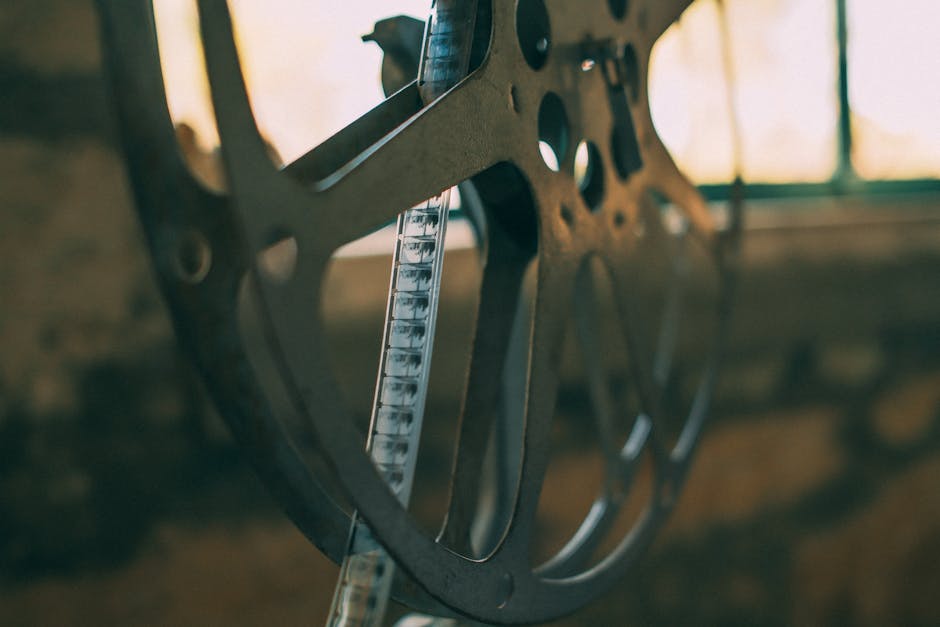
One of the most recognizable sounds in cinema history was created entirely by accident. Sound designer Ben Burtt developed the lightsaber hum for Star Wars by combining the sound of an idle film projector motor with the buzz of an old television set. He then manipulated these recordings to create the weapon's distinctive swoosh when moving through air. This groundbreaking sound effect required no futuristic technology—just creative thinking and everyday electronic equipment. The lightsaber sound has since become so iconic that it's protected by trademark and remains one of the most imitated sound effects in popular culture.
2. Coconut Shells Created the Sound of Horse Hooves
Long before digital sound libraries existed, Foley artists discovered that banging coconut shell halves together on various surfaces perfectly mimicked the clip-clop of horse hooves. This technique, immortalized in the comedy "Monty Python and the Holy Grail" where it was used as a visual gag, has been a staple of sound design since the early days of radio drama. Different surfaces like gravel, wood, or concrete produce varying hoof sounds, allowing sound designers to match the terrain shown on screen. Despite modern recording technology, many sound designers still prefer this old-fashioned method for its authenticity and ease of control.
3. Vegetables and Fruits Stand In For Breaking Bones and Gore
The sickening crunch of breaking bones in horror and action films often comes from the produce aisle. Celery stalks, carrots, and lettuce create convincing bone-breaking sounds when snapped or twisted. For even more gruesome effects, watermelons and pumpkins are smashed to simulate head trauma, while twisting cabbage produces disturbing ripping sounds. Sound designers also snap frozen vegetables and crack nuts to add variety to their bone-breaking sound library. These organic materials provide a visceral quality that's difficult to replicate with synthetic sounds, making audiences squirm in their seats during intense scenes.
4. No Actual Punches Are Used for Fight Scene Sound Effects
The powerful impact sounds heard during movie fight scenes bear little resemblance to real punches, which actually sound quite weak and unimpressive on film. Instead, Foley artists create these exaggerated impacts by hitting slabs of meat, striking leather, or even punching raw chickens. Some sound designers prefer hitting phone books, while others swear by cabbage for its satisfying thwack. The sounds are then layered and mixed with other elements to create the bone-crunching impacts audiences expect. This disconnect between reality and cinema has shaped public perception so much that real fights often disappoint viewers accustomed to Hollywood's enhanced audio.
5. The T-Rex Roar in Jurassic Park Was Actually Multiple Animals
Creating the terrifying roar of the Tyrannosaurus Rex required sound designer Gary Rydstrom to combine sounds from several living animals, since obviously no recordings of actual dinosaurs exist. The base of the roar came from a baby elephant's squeal, while a tiger's snarl added aggression. An alligator's gurgling growl provided low-frequency rumble, and a dog playing with a rope toy contributed the breathy quality. This multi-layered approach created a sound that felt both primal and completely unique. The same technique was used for all the dinosaurs in the film, with each species receiving its own distinctive vocal signature assembled from various animal recordings.
6. Movie Doors Almost Never Sound Like Real Doors
Actual door sounds are typically too subtle for cinema, so Foley artists enhance them dramatically. A simple door close might be layered with five or six different sounds: the initial movement, the latch click, the frame impact, and various resonances. Creaky haunted house doors often incorporate rusty hinges, groaning wood, and even musical instrument sounds to maximize atmosphere. Science fiction doors receive synthesized whooshes and mechanical sounds that bear no relation to how sliding doors actually operate. This audio enhancement ensures that every door opening and closing registers with the audience and contributes to the scene's emotional impact.
7. Rain Sounds Are Usually Bacon Frying
Recording actual rain often produces disappointing results that don't read well in films, so sound designers have developed creative alternatives. The sound of bacon sizzling in a pan closely resembles gentle rainfall and provides better audio control than nature. For heavier downpours, sound designers might use the crackle of frying bacon combined with water running in a shower or sprayed on different surfaces. Some Foley artists prefer shaking seedpods or pouring salt on various materials. These artificial rain sounds can be precisely controlled and mixed to match the visual intensity of the rain on screen, something that's nearly impossible with actual weather recordings.
8. Movie Guns Sound Nothing Like Real Firearms
Real gunshots are surprisingly flat and unimpressive when recorded, often sounding more like a firecracker than a powerful weapon. Movie guns are enhanced with multiple layers of sound, including the initial blast, mechanical action, shell casing impacts, and environmental reverb. Sound designers might use artillery fire, explosions, or even thunder to beef up pistol shots. The iconic pump-action shotgun sound is often exaggerated with mechanical clicks and metallic slides that don't actually occur in real weapons. This dramatic enhancement ensures that firearms carry appropriate weight and danger in action sequences, even though they're acoustically unrealistic.
9. The Wilhelm Scream Has Appeared in Over 400 Films
This distinctive scream, originally recorded for the 1951 film "Distant Drums," has become an inside joke among sound designers and film enthusiasts. Sound designer Ben Burtt discovered the recording in a sound library and used it in Star Wars, after which it became a tradition for sound designers to hide it in their films. The scream can be heard in everything from Lord of the Rings to Toy Story, spanning every genre imaginable. Named after a character in "The Charge at Feather River" who lets out the scream, this sound effect has achieved legendary status and spawned dedicated fans who track its appearances across cinema history.
10. Silence Is Actually Added to Films
Counterintuitively, true silence rarely exists in nature or on film sets, so sound designers must actually create it. Room tone—the ambient sound of a quiet space—is recorded on every set and used to fill gaps where dialogue has been removed or edited. Without this ambient foundation, cuts between dialogue would create jarring pops and unnatural dead air. For dramatic silent moments, sound designers carefully craft what seems like silence but actually contains subtle atmospheric elements that maintain audience immersion. The art of creating effective silence is considered one of the most challenging aspects of sound design, as it must feel natural while supporting the emotional tone of the scene.
Conclusion
These ten fascinating facts reveal that movie sound effects are far more creative and artificial than most audiences realize. From produce standing in for bones to bacon simulating rain, sound designers employ remarkable ingenuity to create the audio landscape of cinema. Whether using vintage techniques like coconut shells for hooves or layering multiple animal sounds to create dinosaur roars, these artists prove that movie magic often comes from the most unexpected sources. The next time you watch a film, pay attention to the soundscape—you'll never hear movies the same way again, knowing that what sounds perfectly natural is actually the result of countless creative decisions and unconventional recording techniques. Sound design remains one of cinema's most underappreciated arts, yet it's essential to creating the immersive experiences that make movies unforgettable.