





⏱️ 7 min read
Top 10 Natural Wonders of the World
The Earth is home to countless breathtaking landscapes that showcase the immense power and beauty of natural forces. From towering waterfalls to vast canyons carved over millennia, these natural wonders inspire awe and remind us of the planet's incredible geological and biological diversity. While many remarkable sites exist across the globe, certain locations stand out for their unique characteristics, stunning visual impact, and geological significance. This article explores ten of the most extraordinary natural wonders that demonstrate nature's capacity to create landscapes of incomparable magnificence.
1. The Grand Canyon, USA
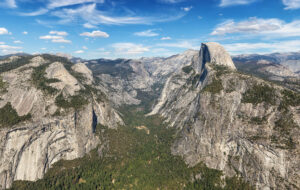
Located in Arizona, the Grand Canyon represents one of the most spectacular examples of erosion on Earth. Stretching approximately 277 miles long, up to 18 miles wide, and plunging more than a mile deep, this massive gorge was carved by the Colorado River over millions of years. The canyon's layered bands of red rock reveal nearly two billion years of geological history, making it an invaluable resource for understanding Earth's past. The interplay of light and shadow across its vast expanse creates an ever-changing visual spectacle that attracts millions of visitors annually. The Grand Canyon was designated a UNESCO World Heritage Site in 1979, recognizing its outstanding universal value to humanity.
2. The Great Barrier Reef, Australia
The Great Barrier Reef stands as the world's largest coral reef system, extending over 1,400 miles along the Queensland coast. Comprising approximately 2,900 individual reefs and 900 islands, this living structure is so vast that it can be seen from space. The reef supports an extraordinary diversity of marine life, including over 1,500 species of fish, 400 types of coral, and countless other organisms. This underwater wonder formed over millions of years through the accumulation of coral polyps, tiny animals whose calcium carbonate skeletons create the reef's foundation. Despite facing threats from climate change and ocean acidification, the Great Barrier Reef remains one of the planet's most biodiverse ecosystems.
3. Mount Everest, Nepal and Tibet
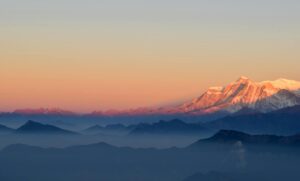
Standing at 29,032 feet above sea level, Mount Everest holds the distinction of being Earth's highest peak. Located in the Himalayan mountain range on the border between Nepal and Tibet, this majestic summit has captivated mountaineers and adventurers for generations. The mountain formed approximately 60 million years ago when the Indian and Eurasian tectonic plates collided, pushing the land upward to create the Himalayas. The extreme altitude creates a harsh environment known as the "death zone" above 26,000 feet, where oxygen levels are insufficient to sustain human life for extended periods. Despite these challenges, the mountain's commanding presence continues to draw those seeking to test their limits against nature's ultimate vertical challenge.
4. Victoria Falls, Zambia and Zimbabwe
Victoria Falls, known locally as "Mosi-oa-Tunya" or "The Smoke That Thunders," represents one of the world's most impressive waterfalls. The Zambezi River plunges over a width of 5,604 feet and drops approximately 354 feet, creating the largest sheet of falling water on Earth. During peak flow, over 500 million liters of water cascade over the falls every minute, generating a thunderous roar and massive spray that can be seen from miles away. The resulting mist creates a unique microclimate that supports a lush rainforest ecosystem in an otherwise semi-arid region. This spectacular waterfall has been a UNESCO World Heritage Site since 1989.
5. The Northern Lights (Aurora Borealis)
The Aurora Borealis creates one of nature's most mesmerizing light displays, painting the night sky with ethereal curtains of green, purple, pink, and red. This atmospheric phenomenon occurs when charged particles from the sun interact with gases in Earth's atmosphere, typically between 60 and 200 miles above the surface. The lights are most commonly visible in high-latitude regions near the Arctic Circle, including northern Scandinavia, Iceland, Canada, and Alaska. The intensity and frequency of auroral displays follow an approximately 11-year cycle corresponding to solar activity. Indigenous peoples of the Arctic have observed and woven these lights into their cultural narratives for thousands of years.
6. Paricutin Volcano, Mexico
Paricutin holds the unique distinction of being one of the youngest volcanoes on Earth and the only one whose complete formation was witnessed and documented by humans. In February 1943, the volcano began as a fissure in a cornfield, and within a year, it had grown to over 1,100 feet tall. The eruption continued for nine years, ultimately reaching a height of 1,391 feet and covering nearby villages with lava and ash. This volcanic wonder provided scientists with an unprecedented opportunity to study the birth and development of a cinder cone volcano. Today, the dormant peak stands as a striking reminder of the dynamic forces constantly reshaping our planet's surface.
7. The Amazon Rainforest, South America
Spanning approximately 2.1 million square miles across nine countries, the Amazon Rainforest constitutes the world's largest tropical rainforest. This vast ecosystem contains an estimated 390 billion individual trees representing about 16,000 species and supports unparalleled biodiversity, including millions of insect species, thousands of birds and mammals, and countless plants yet to be scientifically documented. The Amazon River, which flows through this immense forest, discharges more water than the next seven largest rivers combined. The rainforest plays a crucial role in regulating global climate patterns, producing approximately 20% of the world's oxygen and storing massive amounts of carbon dioxide.
8. Jeita Grotto, Lebanon
The Jeita Grotto represents one of the world's most spectacular cave systems, featuring two separate but interconnected limestone caves extending nearly 5.6 miles. The lower cave contains an underground river that provided water to Beirut's residents for thousands of years, while the upper galleries showcase stunning formations of stalactites and stalagmites. Some formations reach record-breaking dimensions, with the longest stalactite measuring over 27 feet. The caves formed over millions of years as slightly acidic water dissolved the limestone bedrock, creating chambers, tunnels, and intricate mineral deposits. The ethereal beauty of these illuminated caverns draws visitors from around the world.
9. Iguazu Falls, Argentina and Brazil
Straddling the border between Argentina and Brazil, Iguazu Falls comprises approximately 275 individual waterfalls spread across nearly 1.7 miles of the Iguazu River. The most impressive section, known as the "Devil's Throat," features a U-shaped cascade where water plummets 269 feet with tremendous force. During the rainy season, up to 450,000 cubic feet of water per second rush over the falls, creating a spectacle of power and beauty. The subtropical rainforest surrounding the falls hosts exceptional biodiversity, including numerous endangered species. Eleanor Roosevelt reportedly exclaimed "Poor Niagara!" upon first witnessing these magnificent cascades, highlighting their extraordinary scale and beauty.
10. Ha Long Bay, Vietnam
Ha Long Bay features over 1,600 limestone islands and islets rising dramatically from the emerald waters of the Gulf of Tonkin. These karst formations, sculpted by wind and water over 20 million years, create a surreal seascape of caves, grottoes, and towering pillars. Many islands contain extensive cave systems, including some of the largest sea caves in the world. The bay's name translates to "descending dragon," reflecting local legends about mythical creatures creating the landscape. This geological wonder supports a rich marine ecosystem adapted to the unique conditions created by the limestone formations. UNESCO designated Ha Long Bay a World Heritage Site in 1994, later expanding the recognition in 2000.
Conclusion
These ten natural wonders represent just a fraction of Earth's geological and biological treasures, yet they exemplify the extraordinary processes that have shaped our planet over billions of years. From the depths of underwater reef systems to the heights of towering peaks, from thundering waterfalls to silent cave systems, each wonder tells a unique story of natural forces at work. These sites serve not only as destinations for travelers seeking beauty and adventure but also as important reminders of the need to preserve and protect our planet's irreplaceable natural heritage. As we face increasing environmental challenges, these wonders inspire us to appreciate the delicate balance of natural systems and our responsibility to safeguard them for future generations. Whether formed over millions of years or witnessed emerging within a human lifetime, these natural wonders continue to captivate, educate, and humble us with their magnificence.

