









⏱️ 6 min read
Did You Know? 10 Facts About Luck and Superstitions
Throughout human history, luck and superstitions have played a fascinating role in shaping cultures, behaviors, and beliefs across the globe. From avoiding black cats to knocking on wood, these practices persist even in our modern, scientifically-driven world. While some dismiss them as irrational, superstitions reveal intriguing insights into human psychology, cultural evolution, and our eternal quest to control uncertainty. Here are ten remarkable facts about luck and superstitions that might surprise you.
1. The Number 13 Phobia Has a Medical Name
Fear of the number thirteen is so widespread that it has its own clinical term: triskaidekaphobia. This superstition is so prevalent that many buildings skip the thirteenth floor entirely, jumping from the twelfth to the fourteenth floor. Airlines often omit row 13, and some streets lack a house numbered thirteen. The origins of this fear are debated, but some scholars point to the Last Supper, where thirteen people were present before Jesus's crucifixion. Others trace it to Norse mythology, where the god Loki was the thirteenth guest at a divine dinner party that ended in tragedy.
2. Different Cultures Have Opposite Superstitions About the Same Things
What brings good luck in one culture can spell disaster in another. In Western cultures, black cats are traditionally considered unlucky, but in Japan and the United Kingdom, they're symbols of good fortune. Similarly, the number four is considered extremely unlucky in China, Japan, and Korea because the word for "four" sounds similar to the word for "death" in these languages. Meanwhile, the number seven is lucky in Western cultures but has no special significance in many Asian societies. These contradictions highlight how superstitions are culturally constructed rather than universal truths.
3. Athletes Are Among the Most Superstitious People
Professional athletes often engage in elaborate superstitious rituals before competitions. Basketball legend Michael Jordan wore his college practice shorts under his NBA uniform for good luck throughout his entire career. Tennis star Serena Williams reportedly bounces the ball exactly five times before her first serve and wears the same unwashed socks during winning streaks. Baseball players are notorious for their superstitions, including refusing to step on the foul line when entering or leaving the field. These behaviors stem from the high-stakes, uncertain nature of competitive sports, where athletes seek any psychological edge to improve performance.
4. Knocking on Wood Has Ancient Pagan Origins
The common practice of knocking on wood after making a hopeful statement dates back to ancient pagan beliefs. Pre-Christian Europeans believed that spirits and gods resided in trees, particularly oak trees. By knocking on wood, people could call upon these benevolent spirits for protection or to express gratitude while preventing evil spirits from hearing their boasts and jinxing their good fortune. The practice survived the spread of Christianity and remains one of the most widespread superstitions in the Western world today.
5. Broken Mirror Superstition Relates to Ancient Beliefs About Reflections
The belief that breaking a mirror brings seven years of bad luck has roots in ancient Roman culture. Romans believed that mirrors reflected not just physical appearance but also the soul. Breaking a mirror was thought to harm the soul, and since Romans believed the body renewed itself every seven years, it would take that long for the soul to fully heal. Ancient Greeks also practiced mirror divination, using reflective surfaces to predict the future, which reinforced the mystical significance of mirrors across cultures.
6. Good Luck Charms Exist in Nearly Every Culture
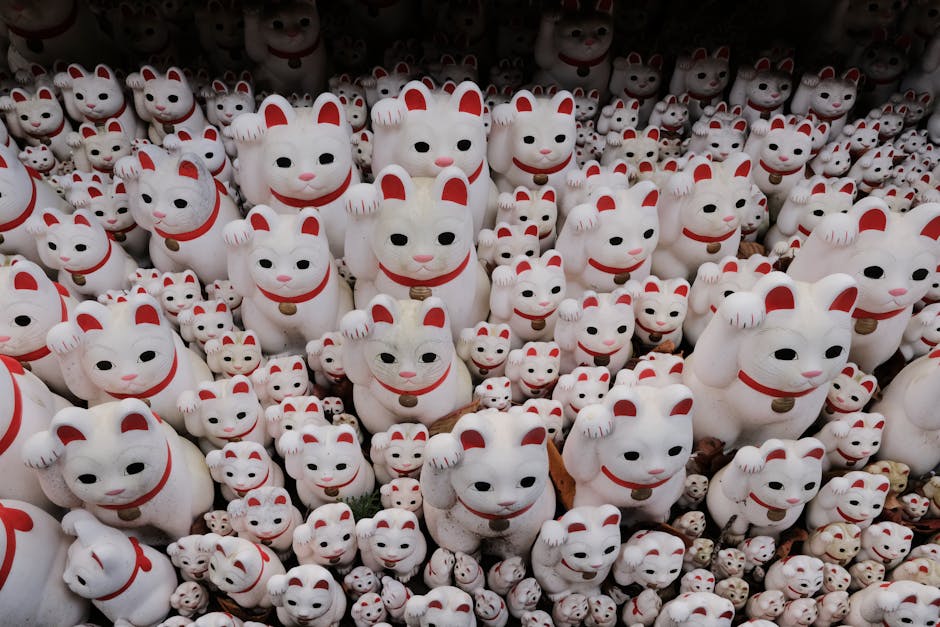
Almost every society has developed objects believed to attract good fortune. Four-leaf clovers are cherished in Irish tradition, with each leaf representing faith, hope, love, and luck. In Turkey and Greece, the evil eye amulet protects against envious glares. Horseshoes are considered lucky in many Western cultures, supposedly because their crescent shape resembles the moon and they're made of protective iron. In Asian cultures, the maneki-neko or "beckoning cat" figurine is believed to bring prosperity to businesses. These talismans serve psychological functions, providing comfort and confidence in uncertain situations.
7. Friday the 13th Costs the Economy Millions
The superstition surrounding Friday the 13th has measurable economic impact. Studies estimate that businesses in the United States lose between $800 million and $900 million on this day because people avoid traveling, making major purchases, or conducting important business transactions. The fear is so significant that some people refuse to get out of bed on Friday the 13th. This superstition combines two separate unlucky elements: the number thirteen and Friday, which was considered unlucky in medieval times because it was the day of Jesus's crucifixion.
8. Superstitions Can Actually Improve Performance
Scientific research has demonstrated that superstitious beliefs can genuinely enhance performance through psychological mechanisms. A study published in Psychological Science found that participants who brought their lucky charms performed better on memory and problem-solving tasks than those without them. The researchers concluded that superstitions boost confidence and self-efficacy, leading to improved persistence and performance. This explains why superstitious rituals persist even among educated, rational individuals—they work, not through magic, but through enhanced psychological states.
9. The Origins of "Bless You" After Sneezing
The custom of saying "bless you" after someone sneezes has multiple proposed origins, all rooted in superstition. One theory traces it to the sixth-century plague epidemic under Pope Gregory I, who ordered prayers and blessings for sneezers as sneezing was an early symptom. Another explanation comes from the ancient belief that sneezing could expel the soul from the body, leaving it vulnerable to evil spirits entering. The blessing was meant to protect the sneezer during this moment of vulnerability. Some cultures believed the heart momentarily stopped during a sneeze, making a blessing appropriate for such a dangerous moment.
10. Beginner's Luck Has a Psychological Explanation
The phenomenon of beginner's luck—where novices seemingly perform better than expected—has roots in both probability and psychology. Beginners often approach tasks without the anxiety or overthinking that can hinder experienced individuals. They're also more likely to take risks without understanding the potential dangers, which can occasionally pay off spectacularly. Additionally, confirmation bias plays a role; people remember and retell stories of beginners succeeding while forgetting the many instances where beginners performed poorly. This selective memory reinforces the superstition that luck favors the inexperienced.
Conclusion
These ten facts about luck and superstitions reveal how deeply these beliefs are woven into human culture and psychology. From the economic impact of Friday the 13th to the performance-enhancing effects of lucky charms, superstitions continue to influence behavior in measurable ways. While science may not support the magical thinking behind these practices, their persistence across millennia and cultures demonstrates their psychological value in helping humans cope with uncertainty and maintain a sense of control in an unpredictable world. Whether you knock on wood, carry a lucky charm, or dismiss superstitions entirely, understanding their origins and effects provides fascinating insights into the human experience.