










1 / 10 Questions
0 Points

What Year Marked The Start Of The Information Age?

1945

1989

2000

1971

Points won
0
Correct score
0%

More Articles

14 Facts About How Streaming Changed Television

14 Facts About How Streaming Changed Television

⏱️ 5 min read

14 Facts About How Streaming Changed Television

The rise of streaming services has fundamentally transformed the television industry in ways that were unimaginable just two decades ago. From how content is produced and distributed to how audiences consume their favorite shows, streaming has revolutionized every aspect of the television landscape. This transformation has affected not only viewers but also creators, networks, and the entire entertainment ecosystem. Here are 14 significant facts about how streaming changed television forever.

1. The End of Appointment Viewing

Streaming services eliminated the need for viewers to tune in at specific times to watch their favorite shows. Netflix's decision to release entire seasons at once in 2013, starting with "House of Cards," fundamentally changed viewing habits. Audiences gained the freedom to watch content whenever they wanted, ending the decades-long tradition of appointment television that had defined the industry since its inception.

2. The Birth of Binge-Watching Culture

Streaming platforms created an entirely new phenomenon: binge-watching. With full seasons available immediately, viewers began consuming multiple episodes or entire seasons in single sittings. This behavior became so prevalent that Netflix reported 61% of its users regularly binge-watch content, fundamentally altering how storytellers structure narratives and season arcs.

3. Global Content Distribution Became Instantaneous

Before streaming, international distribution of television shows could take months or even years. Streaming services changed this by offering simultaneous global releases, making shows like "Stranger Things" and "The Crown" worldwide phenomena overnight. This instant global distribution has democratized content access and created truly international audiences.

4. The Decline of Traditional Cable Subscriptions

Streaming directly contributed to the phenomenon known as "cord-cutting." In the United States alone, traditional pay-TV providers lost over 25 million subscribers between 2015 and 2022. This exodus forced traditional networks to adapt or risk obsolescence, with many launching their own streaming platforms to compete.

5. Increased Investment in Original Content

Streaming services spend unprecedented amounts on original programming. Netflix alone invested over $17 billion in content in 2021, while Amazon and Apple also committed billions to their platforms. This investment level has created more opportunities for creators and raised production values across the industry.

6. Data-Driven Programming Decisions

Streaming platforms utilize sophisticated algorithms and viewer data to make programming decisions. Unlike traditional networks that relied on Nielsen ratings, streaming services analyze detailed viewing patterns, completion rates, and user preferences. This data-driven approach has influenced everything from greenlight decisions to how shows are marketed.

7. The Resurrection of Canceled Shows

Streaming services have given new life to shows canceled by traditional networks. Series like "Lucifer," "You," and "Arrested Development" found second chances on streaming platforms, where niche audiences could sustain them. This has changed the calculus for what constitutes a successful show.

8. Ad-Free Viewing Became the Standard

Streaming services initially popularized ad-free viewing experiences, training audiences to expect uninterrupted content. While many platforms now offer ad-supported tiers, the subscription-based, commercial-free model changed viewer expectations and created new business models for television content.

9. Diverse and Niche Content Flourished

The streaming model allowed for more diverse and niche programming than traditional broadcast television could support. Without the need to attract massive audiences for specific time slots, streaming platforms could greenlight shows for smaller, dedicated fan bases. This led to increased representation and more varied storytelling across genres, languages, and cultures.

10. International Co-Productions Became Common

Streaming services fostered international collaborations, producing content in multiple languages and countries. Shows like "Money Heist" from Spain and "Squid Game" from South Korea became global sensations, proving that quality content transcends language barriers. This globalization has enriched the television landscape with diverse perspectives and storytelling styles.

11. The Erosion of Network Brand Identity

Traditional networks built strong brand identities, but streaming has made individual shows more important than the platform hosting them. While viewers once identified as CBS or NBC watchers, streaming audiences now follow specific shows across platforms, reducing platform loyalty and changing how content is marketed.

12. Viewing Metrics Became Less Transparent

Unlike traditional television with public Nielsen ratings, streaming services generally keep viewing data proprietary. This lack of transparency has changed industry dynamics, making it difficult for creators, advertisers, and analysts to assess true success. The industry has had to adapt to this new reality where streaming giants control the narrative about their shows' performance.

13. The Revival of Limited Series and Miniseries

Streaming platforms revitalized the limited series format, creating high-quality, finite narratives that attract A-list talent. Shows like "The Queen's Gambit" and "Mare of Easttown" demonstrated that viewers embrace complete stories told across a single season. This format offers creative flexibility between traditional movies and ongoing series.

14. Traditional Release Strategies Were Disrupted

Streaming challenged traditional release windows and strategies. The simultaneous release of content across all markets, the collapse of syndication models, and the ability to keep entire libraries available indefinitely have all disrupted how content generates revenue over time. This has forced the entire industry to reconsider long-established business practices and revenue streams.

Conclusion

These 14 facts illustrate the profound impact streaming has had on television over the past decade. From changing how audiences watch content to revolutionizing production, distribution, and business models, streaming has touched every aspect of the industry. Traditional networks have been forced to adapt, launching their own streaming services and modifying their approaches to content creation and distribution. While challenges remain, including questions about sustainability and market saturation, streaming has permanently altered the television landscape. As technology continues to evolve and viewer preferences shift, the industry will likely see further transformations, but the fundamental changes brought by streaming will remain a defining feature of modern television. The future of television is undeniably intertwined with streaming, and understanding these changes is essential for anyone interested in the medium's evolution.
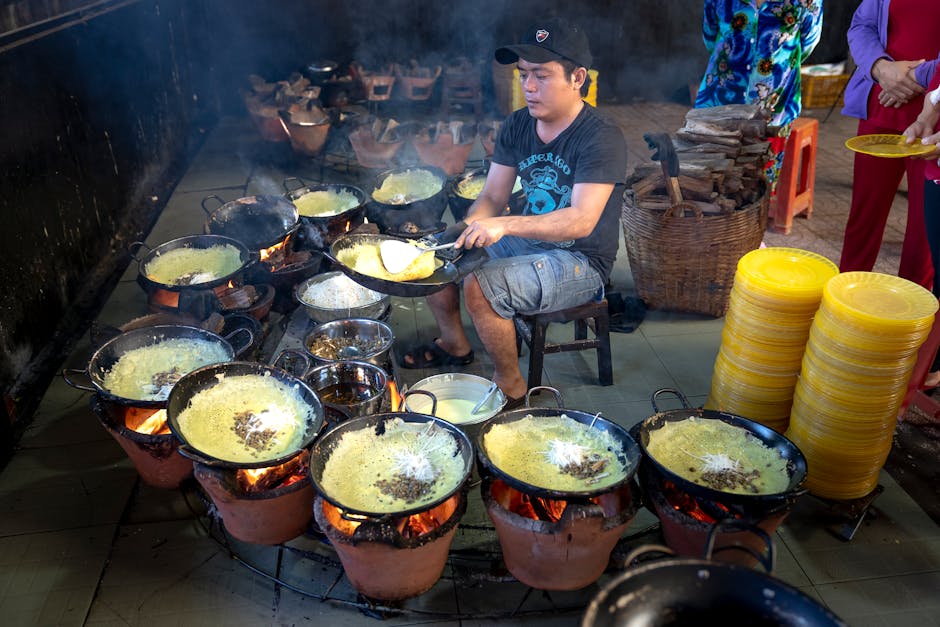

Top 10 Weirdest Foods People Actually Eat

Top 10 Weirdest Foods People Actually Eat

⏱️ 7 min read

Top 10 Weirdest Foods People Actually Eat

Culinary traditions around the world vary dramatically, and what seems perfectly normal in one culture might appear utterly bizarre in another. From insects to fermented delicacies, humanity has developed an incredibly diverse palate over thousands of years. These unusual foods often carry deep cultural significance, nutritional benefits, or historical importance that transcends their initial shock value. Here are ten of the weirdest foods that people genuinely consume and, in many cases, consider delicacies.

1. Casu Marzu (Maggot Cheese)

Hailing from Sardinia, Italy, Casu Marzu translates to "rotten cheese" and lives up to its name in the most literal sense. This traditional sheep milk cheese contains live insect larvae that decompose the cheese's fats, creating an extremely soft texture and pungent flavor. The cheese fly larvae are intentionally introduced during the fermentation process, and the cheese is considered ready to eat when the maggots are still alive and active. Diners must be careful, as the larvae can jump up to six inches when disturbed. While technically illegal under EU food hygiene regulations, Casu Marzu remains available through the black market and is protected as a traditional food of Sardinia.

2. Balut (Fertilized Duck Egg)

Popular throughout Southeast Asia, particularly in the Philippines, Vietnam, and Cambodia, Balut is a developing duck embryo boiled alive and eaten directly from the shell. The egg is typically incubated for 14 to 21 days before cooking, meaning the embryo has developed recognizable features including bones, feathers, and a beak. Vendors commonly sell Balut as street food, and it's often consumed with salt, vinegar, or chili. Despite its disturbing appearance, Balut is considered an aphrodisiac and excellent source of protein, calcium, and iron. The combination of textures—ranging from the liquid broth to the solid embryo—creates a unique eating experience.

3. Hákarl (Fermented Shark)

Iceland's national dish, Hákarl, consists of Greenland shark that has been cured through a particular fermentation process. The shark meat is naturally toxic when fresh due to high levels of urea and trimethylamine oxide, which the shark lacks a urinary system to eliminate. To make it edible, the meat is buried in gravel and pressed with stones for six to twelve weeks, then hung to dry for several months. The result is a dish with an overwhelming ammonia smell that has been compared to strong cheese or cleaning products. Even many Icelanders find the taste and smell challenging, often consuming it with strong alcohol to mask the flavor.

4. Escamoles (Ant Larvae)

Known as "insect caviar," Escamoles are the edible larvae and pupae of ants harvested from the roots of agave or maguey plants in Mexico. These tiny, rice-like eggs have been consumed since the Aztec era and are considered a delicacy in Mexican cuisine. Escamoles have a buttery, nutty taste with a cottage cheese-like texture. They're typically pan-fried with butter and spices, then served in tacos or with guacamole. Harvesting these larvae is dangerous work, as the ants fiercely protect their eggs with painful stings, contributing to the dish's expensive price tag of up to $90 per kilogram.

5. Fugu (Pufferfish)

The Japanese delicacy Fugu contains tetrodotoxin, a poison 1,200 times more lethal than cyanide, with no known antidote. Certain organs of the pufferfish, particularly the liver, ovaries, and skin, contain enough toxin to kill an adult human. Chefs must undergo years of rigorous training and obtain special licenses to prepare Fugu safely. The fish is typically served as sashimi or in hot pots, with the flesh having a subtle, delicate flavor and unique texture. Despite strict regulations, several people die from Fugu poisoning each year, usually from amateur preparation. The thrill of consuming something potentially deadly adds to the dining experience for many adventurous eaters.

6. Century Eggs (Preserved Eggs)

Also known as hundred-year eggs or thousand-year eggs, these Chinese delicacies are preserved in a mixture of clay, ash, salt, quicklime, and rice hulls for several weeks to months. The preservation process transforms the egg dramatically: the yolk becomes dark green and creamy with a strong sulfuric, cheese-like flavor, while the white turns into a transparent, dark brown jelly with minimal flavor. Despite the dramatic color change and pungent ammonia smell, Century Eggs are popular throughout China and other Asian countries, often served with pickled ginger, soy sauce, or in congee. The name is misleading, as the eggs are only preserved for weeks or months, not centuries.

7. Witchetty Grubs

A staple protein source for Indigenous Australians for thousands of years, Witchetty Grubs are the larvae of several species of moths, particularly the cossid moth. These large, white, wood-eating larvae can grow up to seven centimeters long and are found in the roots of witchetty bushes and certain acacia trees. When eaten raw, the grubs taste like almonds with a texture similar to scrambled eggs. When cooked over coals, the skin crisps like roast chicken while the inside remains soft and yellow. Rich in protein, fat, and calories, a single grub can provide significant nutritional value, making them an excellent survival food in the Australian outback.

8. Kopi Luwak (Civet Coffee)

The world's most expensive coffee is made from beans that have passed through the digestive system of the Asian palm civet, a cat-like animal native to Southeast Asia. The civets eat ripe coffee cherries, and during digestion, enzymes break down proteins that typically cause coffee's bitter taste. The partially digested beans are collected from the animal's feces, thoroughly cleaned, and roasted. The result is a coffee with supposedly smoother, less acidic flavor profiles. However, the industry has faced significant criticism for animal welfare concerns, as many civets are kept in cramped cages and force-fed coffee cherries to meet demand. Authentic wild-sourced Kopi Luwak can cost over $600 per kilogram.

9. Surströmming (Fermented Herring)

This Swedish delicacy is herring that has been fermented for at least six months, creating what many consider the world's smelliest food. The fermentation process produces a putrid odor so powerful that Surströmming is typically opened outdoors or underwater to contain the smell. The scent has been described as a combination of rotten eggs, rancid butter, and vinegar. Despite the overwhelming stench, the fish itself has a mildly salty taste and is traditionally eaten with thin bread, potatoes, onions, and sour cream. The cans of Surströmming bulge noticeably due to ongoing fermentation, and airlines have banned them as potential safety hazards due to risk of explosion from built-up gases.

10. Rocky Mountain Oysters (Bull Testicles)

Despite the misleading name suggesting seafood, Rocky Mountain Oysters are actually deep-fried bull, pig, or sheep testicles, popular in cattle-ranching regions of North America. The testicles are typically peeled, flattened, coated in flour or breadcrumbs, and deep-fried. When prepared correctly, they have a tender texture similar to chicken or liver, with a mild, slightly gamey flavor. The dish emerged from practical frontier cooking, where ranchers used every part of the animal after castration. Rocky Mountain Oysters remain popular at festivals throughout the American West and Canadian prairies, where competitive eating contests and cooking competitions celebrate this unusual food.

Conclusion

These ten extraordinary foods demonstrate the remarkable diversity of human culinary practices and our species' ability to find nourishment in unexpected places. While many Western diners might find these dishes shocking or repulsive, they represent important cultural traditions, sustainable protein sources, and creative solutions to food scarcity developed over centuries. What we consider "weird" is entirely subjective and culturally dependent. As global cuisine becomes increasingly accessible and environmental concerns push us toward alternative protein sources, these unusual foods remind us to keep an open mind about what constitutes acceptable fare. Whether driven by tradition, necessity, or simple curiosity, millions of people worldwide continue to enjoy these peculiar delicacies, proving that adventurous eating knows no bounds.