



















1 / 20 Questions
0 Points

What year did Amazon.com launch as an online bookstore?

1993

1994

1995

1996

Points won
0
Correct score
0%

More Articles

Did You Know The Longest Concert Lasted Over 18 Hours?

Did You Know The Longest Concert Lasted Over 18 Hours?

⏱️ 5 min read

Did You Know The Longest Concert Lasted Over 18 Hours?

Music concerts have long been a source of entertainment and cultural significance, but some performances push the boundaries of endurance and dedication. While most concerts last between one to three hours, certain ambitious musical events have stretched well beyond conventional limits. This article explores 18 fascinating facts about marathon concerts, endurance performances, and the incredible feats of musical stamina that have captivated audiences worldwide.

1. The Record-Breaking 18-Hour Marathon

One of the longest documented rock concerts took place in 2009 when the band Victims of Circumstance performed for 18 hours straight in Ontario, Canada. This remarkable feat showcased the band's incredible stamina and dedication to their craft, pushing the limits of what musicians and audiences could endure together.

2. The 453-Year Concert

The longest concert ever is actually still ongoing. In 2001, the John Cage organ performance titled "As Slow As Possible" began in Halberstadt, Germany, and is scheduled to last 639 years, concluding in 2640. This avant-garde performance challenges traditional notions of what constitutes a concert.

3. Physical Endurance Requirements

Musicians performing marathon concerts must maintain exceptional physical conditioning. Playing an instrument for extended periods requires sustained muscle engagement, breath control for wind instruments and vocalists, and cardiovascular endurance to maintain energy levels throughout the performance.

4. Bruce Springsteen's Legendary Stamina

Known as "The Boss," Bruce Springsteen regularly performs concerts lasting four hours or more. His longest recorded performance stretched to nearly five hours, demonstrating his commitment to giving fans their money's worth and his legendary work ethic.

5. The Grateful Dead's Endless Jams

The Grateful Dead was famous for extended improvisational sessions, with some concerts lasting over six hours. Their 1977 Cornell University performance is considered one of the greatest live recordings in rock history, featuring extensive jam sessions that pushed time boundaries.

6. Vocal Cord Considerations

Singers participating in marathon concerts face unique challenges with vocal cord fatigue. Extended performances require proper hydration, vocal warm-ups, strategic setlist planning to vary vocal intensity, and sometimes brief rest periods to prevent permanent damage.

7. The 24-Hour DJ Sets

Electronic music culture has embraced ultra-marathon performances, with several DJs completing 24-hour sets. These events test not only musical creativity but also mental alertness and the ability to maintain energy and engagement with the crowd throughout an entire day and night.

8. Audience Endurance

Marathon concerts present unique challenges for audiences as well. Attendees must prepare with comfortable clothing, adequate hydration, nutrition planning, and physical stamina to remain engaged throughout extended performances, creating a shared endurance experience between performers and fans.

9. Setlist Strategy

Planning an 18-hour concert requires sophisticated setlist construction. Musicians must balance high-energy songs with slower numbers, incorporate varied instrumentation, plan strategic breaks, and maintain narrative or emotional arcs that keep audiences engaged across many hours.

10. Historical Marathon Performances

Throughout music history, various cultures have featured extended musical events. Traditional Indian classical music concerts often last six to eight hours, while some religious ceremonies and folk festivals worldwide have included continuous musical performances spanning entire days.

11. Mental Endurance and Focus

Beyond physical stamina, marathon concerts demand exceptional mental discipline. Musicians must maintain concentration, remember extensive repertoires, stay emotionally connected to the material, and manage fatigue while continuing to deliver quality performances as hours accumulate.

12. Technical Support Challenges

Sound engineers, lighting technicians, and other crew members face their own endurance tests during marathon concerts. They must maintain equipment functionality, adjust audio levels for changing room dynamics, and remain alert to technical issues throughout extended performances.

13. The Role of Improvisation

Many successful marathon concerts incorporate significant improvisation. This approach allows musicians to respond to their energy levels, audience engagement, and creative inspiration in the moment, making extended performances more sustainable and dynamic than rigidly structured shows.

14. Nutrition and Hydration

Sustaining performance over many hours requires careful attention to nutrition and hydration. Musicians must consume easily digestible foods, maintain electrolyte balance, avoid substances that might impair performance, and time meal breaks strategically to maintain consistent energy levels.

15. Multiple Band Lineups

Some 18-hour concerts feature multiple bands or rotating musicians rather than a single group performing continuously. This approach distributes the physical and mental demands while maintaining continuous music, creating festival-like atmospheres with diverse musical offerings.

16. Guinness World Records

Various marathon concert attempts have pursued Guinness World Record recognition. Categories include longest concert by a group, longest solo performance, and longest DJ set, with strict verification requirements ensuring legitimate endurance achievements.

17. Charitable Marathon Concerts

Many ultra-long performances serve charitable purposes, with musicians using endurance challenges to raise awareness and funds for causes. These events combine musical achievement with philanthropy, giving additional meaning to the physical and mental challenges involved.

18. Modern Technology's Impact

Contemporary technology has made marathon concerts more feasible and accessible. Live streaming allows global audiences to tune in and out, social media creates ongoing engagement, and improved audio equipment reduces physical strain on performers, while medical monitoring helps ensure artist safety during extreme endurance events.

Conclusion

Marathon concerts represent the intersection of artistic dedication, physical endurance, and boundary-pushing performance. From 18-hour rock shows to the ongoing 639-year organ concert, these events challenge our understanding of musical performance limits. The 18 facts explored here demonstrate that extended concerts require careful planning, exceptional stamina, strategic thinking, and unwavering commitment from both performers and audiences. Whether driven by artistic vision, charitable goals, or the pursuit of records, these extraordinary musical marathons remind us that passion and determination can extend far beyond conventional boundaries, creating unforgettable experiences that resonate long after the final note fades.

Top 10 Most Watched TV Shows of All Time

Top 10 Most Watched TV Shows of All Time

⏱️ 7 min read

Top 10 Most Watched TV Shows of All Time

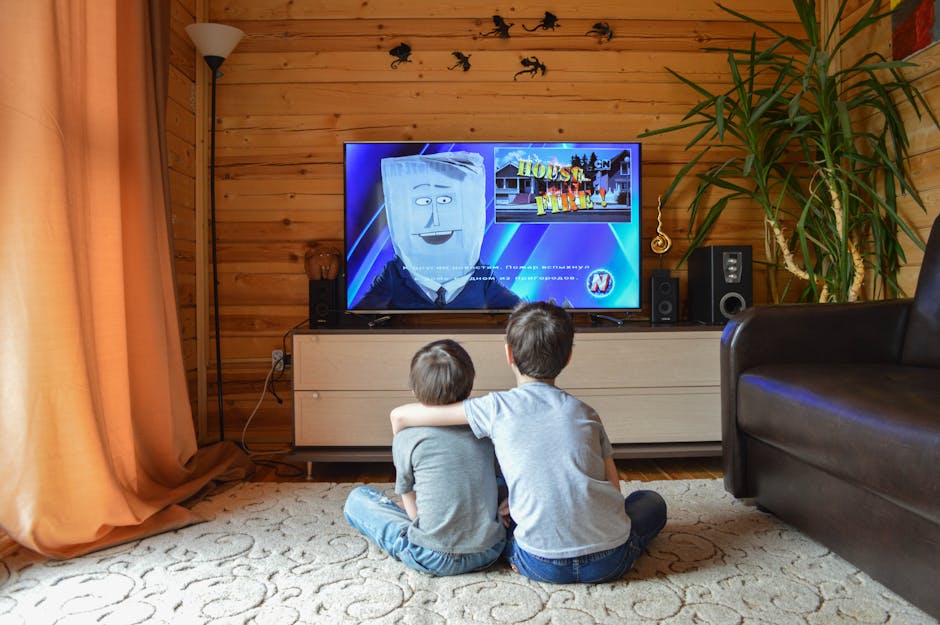
Television has been a central part of global entertainment for decades, bringing people together to witness historic moments, dramatic finales, and cultural phenomena. Throughout television history, certain programs have managed to capture the attention of massive audiences, breaking viewership records and creating shared cultural experiences that transcended borders. These shows represent the pinnacle of television's ability to unite millions of viewers simultaneously, whether through sporting events, series finales, or special broadcasts. Here are the top 10 most watched TV shows of all time, based on single-episode viewership records.

1. Apollo 11 Moon Landing (1969)

The Apollo 11 moon landing remains the most watched television broadcast in history, with an estimated 650 million viewers worldwide tuning in to watch Neil Armstrong take humanity's first steps on the lunar surface. This historic event transcended entertainment, representing a monumental achievement in human exploration and technology. The broadcast united people across the globe in a shared moment of wonder and pride, demonstrating television's unique power to connect humanity during significant historical moments. The grainy images of Armstrong descending the lunar module ladder became instantly iconic, cementing this broadcast's place as not just the most watched TV event, but one of the most important moments in broadcasting history.

2. FIFA World Cup Final (Various Years)

Multiple FIFA World Cup finals have achieved viewership numbers exceeding one billion people, making them among the most watched television events globally. The 2014 World Cup final between Germany and Argentina drew approximately 1.013 billion viewers, while the 2018 final featuring France and Croatia attracted similar numbers. The World Cup's universal appeal stems from football's status as the world's most popular sport, with passionate fan bases spanning every continent. These matches represent more than just sporting competition; they embody national pride, athletic excellence, and the unifying power of sports. The tournament's four-year cycle creates anticipation that builds into massive global audiences for the final match.

3. Summer Olympic Games Opening Ceremonies

The Olympic Games opening ceremonies consistently rank among the most watched television events, with various ceremonies attracting audiences of over 900 million viewers. The 2008 Beijing Olympics opening ceremony was particularly notable, drawing an estimated global audience of 1 billion people who witnessed the spectacular display orchestrated by filmmaker Zhang Yimou. These ceremonies showcase host nations' culture, history, and artistic achievements on the world's largest stage, combining entertainment, athleticism, and pageantry into unforgettable spectacles. The Olympic opening ceremonies have become television events that transcend sports, offering viewers a celebration of human achievement and international unity.

4. M*A*S*H Series Finale "Goodbye, Farewell and Amen" (1983)

The final episode of M*A*S*H remains the most watched scripted television episode in United States history, attracting 105.9 million viewers when it aired on February 28, 1983. This represented approximately 77% of American households with televisions at the time. The two-and-a-half-hour finale brought closure to the beloved Korean War comedy-drama after 11 seasons, providing emotional farewells to characters that had become part of American cultural fabric. The episode's massive viewership demonstrated the show's unprecedented popularity and television's ability to create shared national experiences. Even decades later, no scripted series finale has matched M*A*S*H's viewership numbers in the United States.

5. Super Bowl XLIX (2015)

Super Bowl XLIX between the New England Patriots and Seattle Seahawks holds the record as the most watched television program in United States history, with 114.4 million viewers. The game featured dramatic moments, including Malcolm Butler's goal-line interception in the final seconds, creating an unforgettable sporting spectacle. Super Bowl broadcasts consistently dominate American viewership records, with multiple games appearing among the top television broadcasts. The Super Bowl has evolved beyond a sporting event into a cultural phenomenon, with viewers tuning in for the game, halftime show, and commercials, making it television's premier annual event in the United States.

6. Funeral of Princess Diana (1997)

The funeral of Diana, Princess of Wales, attracted a global television audience estimated at 2.5 billion viewers, making it one of the most watched broadcasts in history. The tragic death of the beloved princess at age 36 shocked the world, and her funeral became a moment of collective mourning that transcended national boundaries. The ceremony at Westminster Abbey was broadcast across multiple networks worldwide, with viewers paying their respects to a figure who had captured global attention through her humanitarian work and personal struggles. This broadcast demonstrated television's role in facilitating shared emotional experiences during significant cultural moments.

7. Cheers Series Finale "One for the Road" (1993)

The final episode of Cheers attracted 80.4 million American viewers, making it the second most watched scripted series finale in U.S. television history. After 11 seasons, viewers tuned in to say goodbye to Sam Malone and the regulars at the Boston bar that had become America's favorite hangout. The finale's massive audience reflected the show's status as a cultural touchstone throughout the 1980s and early 1990s. Cheers had become appointment television, with its ensemble cast and witty writing creating characters that felt like family to millions of viewers. The finale's success demonstrated the powerful connections audiences form with long-running television series.

8. The Fugitive Series Finale "The Judgment" (1967)

The final episode of The Fugitive attracted 72 million viewers in 1967, representing approximately 45% of American households at the time. This made it the most watched television episode up to that point in history. The episode finally revealed the one-armed man who killed Dr. Richard Kimble's wife, resolving the series' central mystery that had captivated audiences for four seasons. The massive viewership demonstrated early television's ability to create suspenseful, serialized narratives that kept audiences engaged week after week. The Fugitive's finale set a precedent for event television that would influence series programming for decades to come.

9. Wedding of Prince Charles and Lady Diana Spencer (1981)

The royal wedding of Prince Charles and Lady Diana Spencer attracted a global television audience estimated at 750 million viewers, making it one of the most watched events of the 1980s. The fairy-tale ceremony at St. Paul's Cathedral captivated audiences worldwide, with Diana's iconic wedding dress and the pageantry of British royalty creating an unforgettable spectacle. The broadcast demonstrated television's ability to share significant cultural and historical moments across continents, allowing people everywhere to participate in what was essentially a British national event. The wedding's massive viewership reflected both the enduring fascination with royalty and Diana's personal appeal that would only grow in subsequent years.

10. Seinfeld Series Finale "The Finale" (1998)

The final episode of Seinfeld attracted 76.3 million American viewers, concluding one of television's most influential and popular comedies. The controversial finale, which saw the main characters finally face consequences for their self-centered behavior, sparked widespread discussion and debate. Despite mixed critical reception, the episode's massive viewership confirmed Seinfeld's status as a cultural phenomenon that had revolutionized television comedy. The show about nothing had become everything to millions of viewers, with its catchphrases, situations, and characters permeating popular culture. The finale represented the end of an era in 1990s television and demonstrated the powerful audience loyalty that exceptional comedies can generate.

Conclusion

These top 10 most watched television shows represent a diverse array of programming, from historic events and sporting competitions to beloved scripted series finales. They demonstrate television's unique power to unite massive audiences around shared experiences, whether celebrating human achievement, witnessing sporting excellence, or saying goodbye to cherished fictional characters. While viewing habits have fragmented in the streaming era, these broadcasts remind us of television's golden age when tens or even hundreds of millions of people tuned in simultaneously to watch the same program. These shows created cultural touchstones and collective memories that continue to resonate across generations, proving that great television can transcend mere entertainment to become part of our shared human experience. As media consumption continues to evolve, these viewership records stand as testaments to television's unparalleled ability to bring the world together.