








⏱️ 6 min read
Top 10 Fun Facts About the Vikings
The Vikings have captured our imagination for centuries, often portrayed as fierce warriors with horned helmets sailing across treacherous seas. However, the reality of Viking culture is far more complex and fascinating than popular media suggests. These Norse seafarers, who dominated Northern Europe from approximately 793 to 1066 CE, left an indelible mark on history through their exploration, trade, and cultural achievements. Let's explore ten surprising and entertaining facts about the Vikings that reveal the true nature of these remarkable people.
1. Vikings Never Actually Wore Horned Helmets
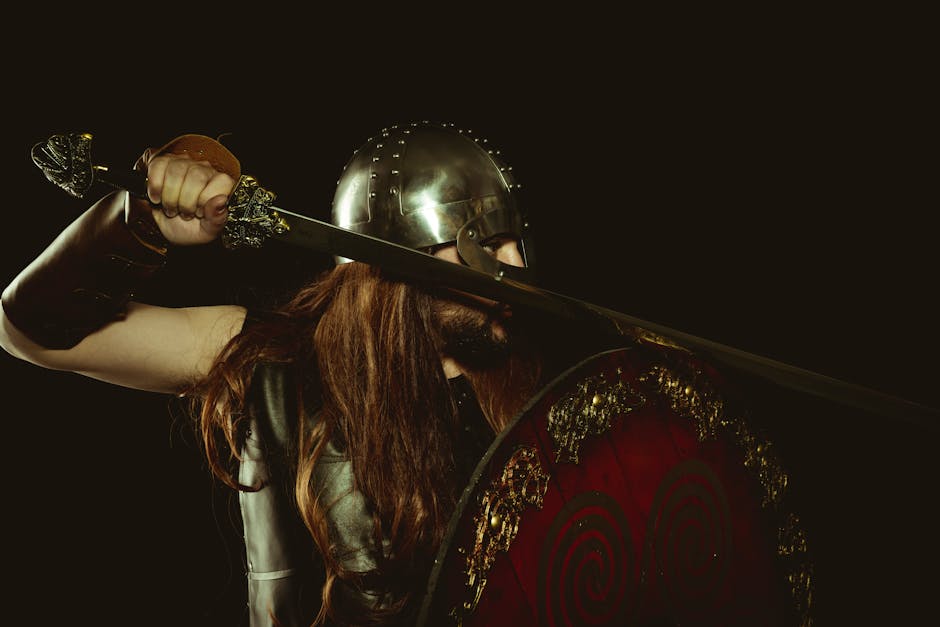
Perhaps the most persistent myth about Vikings is that they wore horned helmets into battle. In reality, there is no archaeological evidence to support this image. The misconception originated in the 19th century, popularized by costume designers for Wagner's opera productions and romantic nationalist artwork. Actual Viking helmets were simple, practical iron caps, sometimes featuring a nose guard for protection. Horned helmets would have been impractical in combat, providing enemies with something to grab and making the wearer vulnerable. Some ceremonial horned helmets existed in Scandinavia, but they predated the Viking Age by thousands of years.
2. Vikings Were Exceptionally Clean for Their Time
Contrary to the image of filthy barbarians, Vikings were remarkably hygienic compared to their European contemporaries. Archaeological excavations have uncovered numerous grooming tools, including combs, razors, tweezers, and ear cleaners. Vikings bathed at least once a week—on Saturdays, which was even called "laugardagur" (washing day) in Old Norse. They also created soap from animal fats and ash. English chroniclers actually complained that Viking men were too attractive to English women because of their cleanliness and well-groomed appearance, including their habit of combing their hair and beards daily.
3. Viking Women Had Remarkable Rights and Freedoms
Viking women enjoyed significantly more rights and independence than most European women of the same era. They could own property, request divorces, and reclaim their dowries if marriages ended. Women managed household finances and farm operations when men were away trading or raiding. Some women even became warriors, as evidenced by the 2017 DNA analysis of a high-ranking Viking warrior burial in Sweden, which revealed the remains were actually those of a woman. Viking women could also serve as merchants and traders, conducting business transactions independently.
4. The Vikings Discovered America 500 Years Before Columbus
Long before Christopher Columbus sailed in 1492, Viking explorer Leif Erikson reached North America around 1000 CE. The Norse established a settlement called Vinland in what is now Newfoundland, Canada. Archaeological evidence at L'Anse aux Meadows confirms Viking presence in North America. The sagas describe encounters with indigenous peoples they called "Skraelings" and mention explorations further south. However, unlike later European colonization, the Viking settlements in North America were temporary, lasting only a few years before being abandoned due to conflicts with native populations and the difficulty of maintaining supply lines across the Atlantic.
5. Vikings Were Master Storytellers and Poets
The Vikings had a rich oral tradition and highly valued the art of storytelling. They created complex poetry forms like the "drápa" and "skaldic verse," which featured intricate metaphors called "kennings." For example, the sea might be called "whale-road" and a sword the "wound-hoe." These poems and sagas, eventually written down in Old Norse, preserve not only their mythology but also historical events and family lineages. Professional poets called skalds held honored positions in Viking society, and their ability to compose verse was considered a valuable skill, sometimes as important as prowess in battle.
6. Vikings Used a Unique Navigation Crystal
The Vikings were extraordinary navigators who crossed vast ocean distances without compasses. While they used the sun and stars, they also may have employed a mysterious "sunstone" mentioned in Norse sagas. Modern scientists believe this could have been a type of crystal, possibly Iceland spar (calcite), that can polarize light and help locate the sun's position even on cloudy days or after sunset. Laboratory experiments have demonstrated that such crystals could indeed provide accurate navigation information. Combined with their knowledge of ocean currents, wind patterns, and wildlife behavior, Vikings could navigate with remarkable precision across open seas.
7. The Viking Diet Was Surprisingly Varied and Healthy
Vikings enjoyed a diverse diet that would be considered quite healthy by modern standards. They consumed fish, shellfish, wild game, beef, pork, and lamb, along with dairy products including milk, cheese, and butter. Their diet included fruits like apples and berries, vegetables such as onions, cabbage, and peas, and they grew grains for bread and porridge. Vikings also consumed mead, beer, and imported wine. They preserved food through drying, smoking, pickling, and salting, allowing them to survive long winters and extended sea voyages. Interestingly, they typically ate two meals a day: a morning "dagverðr" and an evening "náttverðr."
8. Vikings Established the World's First Parliament
The Vikings created the Althing in Iceland around 930 CE, considered one of the world's oldest surviving parliamentary institutions. This outdoor assembly gathered at Þingvellir, where chieftains and free men met to settle disputes, make laws, and discuss important community matters. The Althing represented an early form of democracy, where cases were heard, legal decisions were made, and even blood feuds could be settled through legal compensation rather than violence. The institution demonstrates that Viking society was governed by law and community consensus, not merely by the strongest warrior's will.
9. Vikings Were Skilled Traders, Not Just Raiders
While Viking raids captured historical attention, the Norse were primarily traders and farmers. They established extensive trade networks stretching from Constantinople to North America, exchanging furs, walrus ivory, amber, and slaves for silver, silk, spices, and wine. Vikings founded major trading centers like Dublin, York, and Novgorod. They served as merchant middlemen between Western Europe and the Byzantine and Islamic empires. Many Vikings never participated in raids at all, instead spending their lives farming, crafting, or trading. The wealth accumulated through commerce often exceeded that gained through raiding.
10. Vikings Practiced Complex Funeral Rituals
Viking funeral practices varied widely depending on status, region, and time period, but they were always significant cultural events. Some Vikings were buried in ships, symbolizing their journey to the afterlife, surrounded by weapons, tools, food, and sometimes sacrificed animals or even human companions. Others were cremated, with their ashes placed in urns. Important individuals might have stones arranged in ship shapes over their graves. These elaborate burials reflected the Viking belief in an afterlife where the deceased would need their possessions. The famous ship burials at Oseberg and Gokstad in Norway have provided archaeologists with invaluable insights into Viking life, craftsmanship, and beliefs.
Conclusion
These ten facts reveal that Vikings were far more sophisticated and complex than the simple raiders of popular imagination. They were innovative navigators who reached America centuries before Columbus, established democratic institutions, maintained high standards of personal hygiene, and created intricate poetry and art. Viking women enjoyed remarkable freedoms, and their society valued law, trade, and craftsmanship alongside martial prowess. From their crystal navigation tools to their hygienic practices, from their democratic assemblies to their rich storytelling traditions, the Vikings left an enduring legacy that shaped medieval Europe and beyond. Understanding these facts helps us appreciate the true nature of Viking civilization—one that balanced strength with culture, exploration with governance, and warfare with commerce.