
⏱️ 6 min read
Top 10 Tallest Mountains to Climb: A Comprehensive Guide to the World’s Highest Peaks
The world’s tallest mountains have captivated adventurers, mountaineers, and explorers for centuries. These magnificent peaks represent the ultimate challenge in high-altitude climbing, each offering unique obstacles, breathtaking landscapes, and the opportunity to stand among the highest points on Earth. While the term “tallest mountains to climb” typically refers to the highest peaks above sea level, these mountains are measured from their base elevation to their summit. This article explores the ten tallest mountains that climbers attempt to conquer, all of which are located in the magnificent Himalayan and Karakoram mountain ranges of Asia.
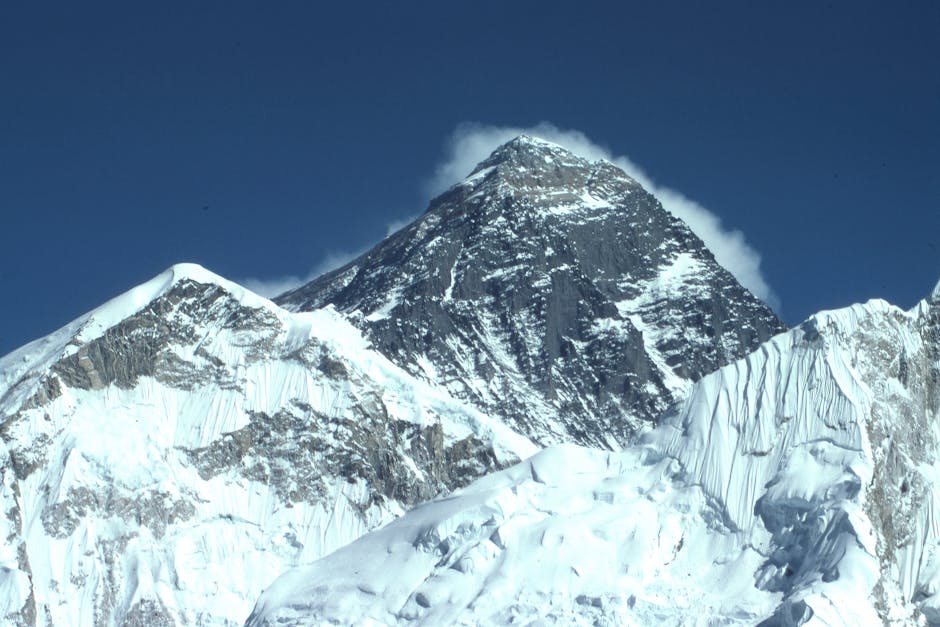
1. Mount Everest (8,849 meters / 29,032 feet)
Mount Everest, known as Sagarmatha in Nepali and Chomolungma in Tibetan, stands as the tallest mountain on Earth. Located on the border between Nepal and Tibet, Everest attracts hundreds of climbers annually who attempt to reach its summit. The mountain was first successfully climbed by Sir Edmund Hillary and Tenzing Norgay in 1953. Despite being the highest peak, Everest is not considered the most technically difficult climb among the eight-thousanders, though it presents extreme challenges including altitude sickness, severe weather conditions, and the infamous “death zone” above 8,000 meters where oxygen levels are critically low.
2. K2 (8,611 meters / 28,251 feet)
K2, also known as Mount Godwin-Austen or Chhogori, is the second-tallest mountain in the world and is located on the China-Pakistan border in the Karakoram Range. Unlike Everest, K2 has earned a reputation as one of the most difficult and dangerous mountains to climb, with a fatality rate historically around 25 percent. The mountain’s steep, icy slopes, unpredictable weather, and technical climbing challenges make it a formidable objective even for the most experienced mountaineers. K2 was first successfully summited in 1954 by an Italian expedition.
3. Kangchenjunga (8,586 meters / 28,169 feet)
Kangchenjunga, meaning “Five Treasures of Snow,” is the third-highest mountain in the world, straddling the border between Nepal and the Indian state of Sikkim. The mountain is revered as sacred by local populations, and climbers traditionally stop a few feet short of the true summit out of respect for local beliefs. First climbed in 1955 by a British expedition, Kangchenjunga presents significant challenges including avalanche danger, extreme weather, and complex route-finding through its five distinct peaks.
4. Lhotse (8,516 meters / 27,940 feet)
Lhotse, connected to Mount Everest via the South Col, is the fourth-tallest mountain in the world. Located on the Nepal-Tibet border, Lhotse’s name means “South Peak” in Tibetan. The mountain shares much of its climbing route with Everest until the final ascent, which involves climbing the dramatically steep Lhotse Face. First summited in 1956 by a Swiss team, Lhotse presents technical climbing challenges, particularly its sheer faces and the exposed summit ridge that demands excellent climbing skills and nerve.
5. Makalu (8,485 meters / 27,838 feet)
Makalu stands as the fifth-highest mountain in the world, located in the Mahalangur Himalayas, southeast of Mount Everest on the Nepal-Tibet border. The mountain is notable for its distinctive pyramid shape with four sharp ridges. First climbed in 1955 by a French expedition, Makalu is considered one of the more difficult eight-thousanders due to its steep pitches and knife-edged ridges. The mountain experiences particularly harsh weather conditions, and its technical difficulties have resulted in a lower summit success rate compared to Everest.
6. Cho Oyu (8,188 meters / 26,864 feet)
Cho Oyu, meaning “Turquoise Goddess” in Tibetan, is the sixth-tallest mountain in the world, situated on the Nepal-Tibet border. Compared to other eight-thousanders, Cho Oyu is considered one of the more accessible high peaks, making it a popular choice for mountaineers attempting their first 8,000-meter summit. First climbed in 1954 by an Austrian expedition, the standard northwest ridge route is less technically demanding, though climbers still face significant dangers from altitude, crevasses, and weather conditions.
7. Dhaulagiri I (8,167 meters / 26,795 feet)
Dhaulagiri I, the seventh-highest mountain in the world, is located in north-central Nepal. Its name means “White Mountain” in Sanskrit, reflecting its stunning appearance of gleaming ice and snow. For thirty years, from 1808 to 1838, Dhaulagiri was thought to be the highest mountain in the world. First successfully climbed in 1960 by a Swiss-Austrian expedition, Dhaulagiri is known for its massive south and west faces and presents considerable avalanche danger and technical climbing challenges throughout various routes.
8. Manaslu (8,163 meters / 26,781 feet)
Manaslu, the eighth-tallest mountain in the world, is located in the Mansiri Himal range of Nepal. The mountain’s name derives from the Sanskrit word “Manasa,” meaning “Mountain of the Spirit.” First climbed in 1956 by a Japanese expedition, Manaslu has become increasingly popular among mountaineers as an alternative to more crowded peaks. However, the mountain presents serious dangers, including avalanche-prone slopes and challenging weather conditions, with several tragic accidents occurring throughout its climbing history.
9. Nanga Parbat (8,126 meters / 26,660 feet)
Nanga Parbat, the ninth-tallest mountain in the world, stands in the Gilgit-Baltistan region of Pakistan. Known as the “Killer Mountain,” Nanga Parbat has one of the highest fatality rates among eight-thousanders and claimed numerous lives in early climbing attempts. The mountain features the enormous Rupal Face, one of the highest mountain faces in the world, rising 4,600 meters from base to summit. First successfully climbed in 1953 by Austrian Hermann Buhl in a remarkable solo ascent, Nanga Parbat continues to challenge climbers with its technical difficulty and unpredictable conditions.
10. Annapurna I (8,091 meters / 26,545 feet)
Annapurna I, the tenth-tallest mountain in the world, is located in Nepal and is the main peak of the Annapurna massif. Despite being “only” the tenth highest, Annapurna I holds the distinction of being statistically the most dangerous eight-thousander, with a historical fatality-to-summit ratio exceeding 30 percent. First climbed in 1950 by Maurice Herzog and Louis Lachenal of France, it was actually the first eight-thousander ever successfully summited. The mountain’s extreme avalanche danger, exposed ridges, and severe weather make it one of the most feared peaks in mountaineering.
Conclusion
These ten tallest mountains represent the pinnacle of mountaineering achievement and continue to attract climbers from around the world who seek to test their limits against nature’s most formidable challenges. Each peak offers a unique combination of altitude, technical difficulty, and environmental hazards that demand exceptional physical conditioning, technical skill, mental fortitude, and proper acclimatization. While modern equipment and improved weather forecasting have made these climbs somewhat safer than in previous decades, these mountains remain extremely dangerous undertakings that command respect and thorough preparation. Whether viewed from a distance or experienced firsthand, these magnificent peaks stand as testaments to the raw power and beauty of our planet’s highest places.
