
⏱️ 6 min read
Top 10 Strange Adaptations in Wildlife
Evolution has sculpted the natural world into an endless gallery of biological marvels, equipping animals with extraordinary adaptations that allow them to survive in challenging environments. While some adaptations like camouflage or sharp teeth seem straightforward, others defy logic and stretch the boundaries of what seems possible in nature. These peculiar evolutionary solutions demonstrate the remarkable creativity of natural selection, where survival pressures have produced some of the most bizarre and fascinating characteristics in the animal kingdom.
From creatures that can survive in the vacuum of space to animals that literally shoot blood from their eyes, the following ten adaptations showcase nature’s most unusual survival strategies. Each represents millions of years of evolutionary refinement, proving that sometimes the strangest solutions are the most effective.
1. The Pistol Shrimp’s Sonic Weapon
The pistol shrimp possesses one of the most remarkable weapons in the ocean: a specialized claw that can snap shut so rapidly it creates a cavitation bubble reaching temperatures nearly as hot as the sun’s surface—approximately 4,700 degrees Celsius. This bubble collapse produces a shock wave powerful enough to stun or kill prey, along with a sound reaching 210 decibels, louder than a gunshot. This tiny crustacean has evolved this extraordinary adaptation to hunt efficiently and defend its territory, making it one of the ocean’s loudest inhabitants despite measuring only a few centimeters in length.
2. The Horned Lizard’s Blood-Squirting Defense
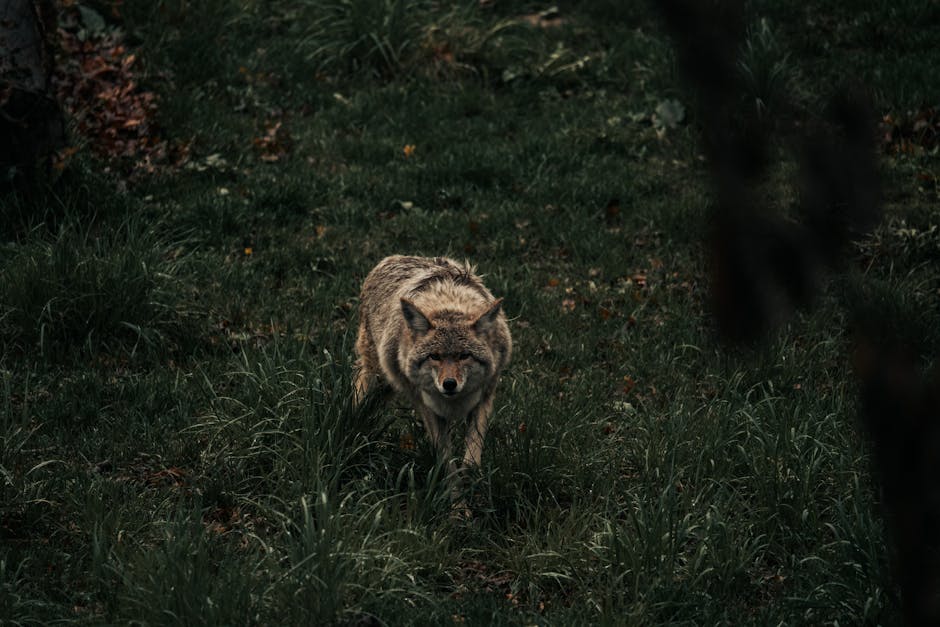
When threatened by predators, the Texas horned lizard employs one of nature’s most startling defense mechanisms: it shoots streams of blood from the corners of its eyes. This adaptation involves restricting blood flow from the head until pressure ruptures small vessels in the eyes, propelling blood up to five feet away. The blood contains foul-tasting compounds particularly repellent to canine predators like coyotes and wolves. This bizarre adaptation demonstrates how evolution can transform even basic bodily functions into effective survival tools.
3. The Tardigrade’s Extreme Resilience
Tardigrades, microscopic animals also known as water bears, possess perhaps the most extreme survival adaptations known to science. These eight-legged microorganisms can enter a state called cryptobiosis, essentially suspending their metabolism to survive conditions that would annihilate most life forms. They can endure temperatures from near absolute zero to 150 degrees Celsius, withstand pressures six times greater than the deepest ocean trenches, survive without water for decades, and even endure the vacuum of space with exposure to cosmic radiation. Their ability to replace normal cellular water with a protective sugar called trehalose allows them to become virtually indestructible.
4. The Axolotl’s Regenerative Powers
The Mexican axolotl possesses regenerative abilities that seem more science fiction than reality. Unlike most amphibians that undergo metamorphosis, axolotls retain their larval features throughout life, a condition called neoteny. More remarkably, they can regenerate entire limbs, portions of their heart, spinal cord, and even parts of their brain without scarring. They can repeat this process throughout their lives, making them invaluable to regenerative medicine research. This adaptation allows them to survive predator attacks that would prove fatal to most animals.
5. The Mimic Octopus’s Shape-Shifting Abilities
The mimic octopus takes camouflage to unprecedented levels by actively impersonating other marine species. This Indonesian cephalopod can alter its skin color, texture, and body shape to mimic at least fifteen different species, including lionfish, sea snakes, jellyfish, and flatfish. By observing which predator approaches, the mimic octopus selects an appropriate disguise—for example, mimicking a venomous sea snake when threatened by a damselfish. This cognitive adaptation requires not only physical flexibility but also remarkable intelligence to assess threats and choose appropriate responses.
6. The Bombardier Beetle’s Chemical Explosion
The bombardier beetle has evolved an internal chemical weapons system that would impress any engineer. When threatened, it mixes two chemical compounds—hydroquinone and hydrogen peroxide—in a specialized chamber, along with catalytic enzymes. This reaction produces a boiling, noxious spray at 100 degrees Celsius that explodes from the beetle’s abdomen with an audible pop. The beetle can precisely aim this spray at attackers and can fire multiple bursts in rapid succession. This complex adaptation requires specialized anatomy to prevent the beetle from harming itself with its own chemical arsenal.
7. The Arctic Woolly Bear Caterpillar’s Freeze Tolerance
The Arctic woolly bear caterpillar has adapted to survive in one of Earth’s harshest environments by essentially freezing solid during winter months. Living in the High Arctic where temperatures can plummet to minus 70 degrees Celsius, this caterpillar produces a cryoprotectant substance similar to antifreeze that prevents ice crystal formation in its cells. It can spend up to ten months of the year frozen, with its heart and other functions completely stopped, only to thaw and resume feeding during the brief Arctic summer. Most remarkably, this caterpillar takes seven to fourteen years to accumulate enough energy to pupate, spending most of its life in a frozen state.
8. The Hairy Frog’s Breakable Bones
The hairy frog of Central Africa, also called the horror frog or Wolverine frog, possesses a truly macabre defense mechanism. When threatened, it deliberately breaks its own toe bones and forces the sharp fragments through its skin, creating makeshift claws. Unlike normal claws made of keratin, these are actual bones that pierce through the toe pads. Scientists believe the wounds may heal naturally after the bones retract, though the exact mechanism remains partially mysterious. This painful adaptation represents one of the few known examples of an animal weaponizing its own skeleton.
9. The Lyrebird’s Acoustic Mimicry
The Australian lyrebird possesses perhaps the most sophisticated vocal adaptation in the avian world, capable of mimicking virtually any sound it hears with stunning accuracy. Beyond imitating other bird species, lyrebirds can reproduce chainsaws, car alarms, camera shutters, crying babies, and even orchestral instruments. Males develop extensive song repertoires containing fragments from up to twenty different species, woven into complex performances lasting up to twenty minutes. Their syrinx—the avian vocal organ—is extraordinarily complex, and their brain regions devoted to song learning are proportionally larger than those of most other birds.
10. The Sea Cucumber’s Self-Evisceration
Sea cucumbers have evolved one of the most extreme defense mechanisms in nature: the ability to expel their internal organs when threatened, a process called evisceration. Some species eject their toxic digestive systems toward predators, while others shoot out sticky tubules that entangle attackers. More remarkably, sea cucumbers can completely regenerate these lost organs over several weeks. Some species take this further by liquefying their entire body to squeeze through tiny crevices, then reconstituting themselves afterward. This adaptation allows them to sacrifice parts to save the whole, effectively providing a renewable defense system.
Conclusion
These ten strange adaptations represent only a small sampling of nature’s innovative solutions to survival challenges. From chemical explosions to regenerating limbs, from freezing solid to weaponizing bones, evolution has produced an astounding array of mechanisms that allow species to thrive in their ecological niches. Each adaptation, no matter how bizarre it may seem, serves a crucial purpose in helping these animals survive, reproduce, and pass their genes to future generations. These remarkable traits remind us that nature’s creativity far exceeds human imagination, and that the natural world continues to hold countless mysteries waiting to be discovered. Understanding these adaptations not only satisfies our curiosity but also provides valuable insights for fields ranging from medicine to engineering, proving that nature remains our greatest teacher.
