
⏱️ 6 min read
Top 10 Secrets Behind Famous Brand Names
Every day, consumers interact with dozens of brand names without giving much thought to their origins. Behind these familiar names lie fascinating stories of creativity, accident, and sometimes pure genius. From tech giants to fast-food chains, the naming process often reveals surprising insights into company culture, founder personalities, and historical context. Understanding these origin stories not only satisfies curiosity but also provides valuable lessons in branding and marketing. Here are ten remarkable secrets behind some of the world’s most recognizable brand names.
1. NIKE: The Greek Goddess of Victory
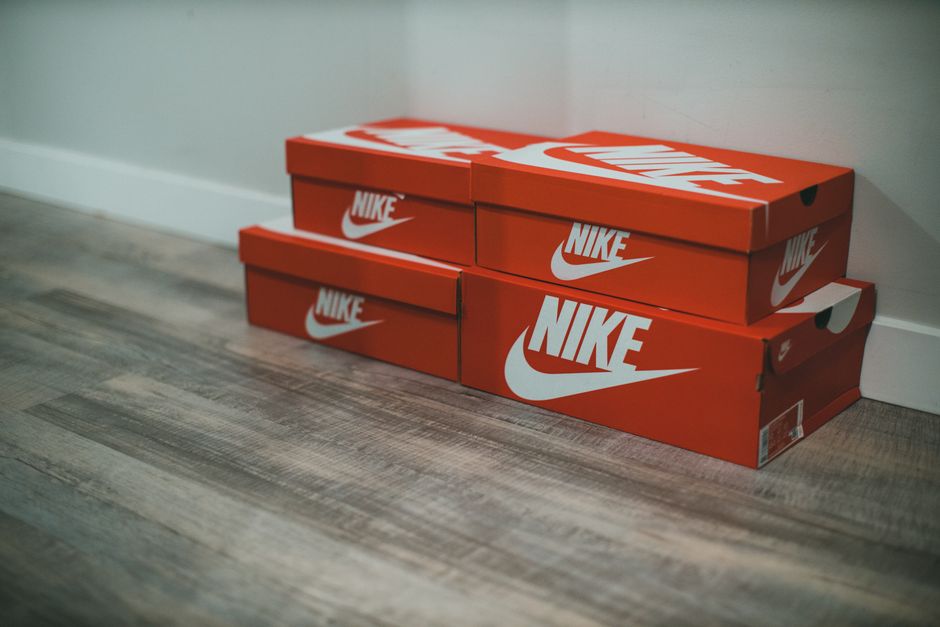
The athletic powerhouse Nike wasn’t always destined for its iconic name. When founder Phil Knight and his team were brainstorming in 1971, they initially preferred “Dimension Six.” However, employee Jeff Johnson suggested “Nike,” named after the Greek goddess of victory. Knight wasn’t initially sold on the idea and considered it only marginally better than their other options. The decision was made under time pressure as they needed to print labels immediately. Today, the name perfectly embodies the competitive spirit of athletics and the pursuit of victory, proving that sometimes rushed decisions can become legendary.
2. AMAZON: From Cadabra to the World’s Largest River
Jeff Bezos originally named his online bookstore “Cadabra,” as in “abracadabra.” However, his lawyer misheard it as “cadaver,” prompting an immediate rethink. Bezos wanted a name starting with “A” to appear early in alphabetical listings, common in early internet directories. He chose “Amazon” after the world’s largest river, reflecting his vision of creating the world’s largest bookstore. The name also conveyed exotic, different, and vast—exactly the image Bezos wanted to project for his revolutionary e-commerce platform.
3. STARBUCKS: A Literary Connection to Moby-Dick
The world’s most famous coffee chain nearly became “Pequod,” after the whaling ship in Herman Melville’s classic novel “Moby-Dick.” Co-founder Gordon Bowker ultimately chose “Starbucks” instead, naming it after Starbuck, the chief mate aboard the Pequod. The maritime theme was intentional, reflecting Seattle’s port city heritage and the romance of early coffee traders who traveled by sea. The literary reference added sophistication and depth to what might have otherwise been just another coffee shop name, helping establish its premium positioning from the start.
4. GOOGLE: A Mathematical Misspelling
One of the most famous naming accidents in business history, Google resulted from a spelling error. Founders Larry Page and Sergey Brin intended to name their search engine “Googol,” a mathematical term for the number 1 followed by 100 zeros, representing the vast amount of information they aimed to organize. When investor Sean Anderson checked domain availability, he accidentally searched for “google.com” instead of “googol.com.” The founders liked the available domain and went with it. This serendipitous misspelling became one of the most valuable brand names in history and even spawned the verb “to google.”
5. PEPSI: Digestive Origins
Pepsi-Cola’s name has medical roots that few consumers realize. Creator Caleb Bradham, a pharmacist, originally marketed his creation in the 1890s as “Brad’s Drink.” In 1898, he renamed it “Pepsi-Cola,” deriving “Pepsi” from “dyspepsia,” the medical term for indigestion. Bradham believed his beverage aided digestion due to the pepsin enzyme, though this was never scientifically proven. The “Cola” portion referenced the kola nuts used in the recipe. While the digestive claims have long been abandoned, the name has endured for over a century as one of the world’s most recognized soft drink brands.
6. ADOBE: Named After a Creek
The software giant behind Photoshop and PDF technology has surprisingly humble geographical origins. Founder John Warnock named the company after Adobe Creek, which ran behind his house in Los Altos, California. There was no grand strategy or deep meaning—Warnock simply wanted a name that was distinctive, easy to remember, and personally meaningful. The casual naming approach contrasted sharply with the revolutionary technology the company would develop. Today, “Adobe” is synonymous with creative software, proving that sometimes a simple, pleasant-sounding name is all a great product needs.
7. IKEA: A Swedish Acronym
The furniture retail giant’s name is actually a clever acronym representing its founder’s identity and origins. Ingvar Kamprad created the name by combining his initials (I.K.) with the first letters of Elmtaryd and Agunnaryd—the farm and village where he grew up in Sweden. This personal connection to his roots remained important throughout Kamprad’s life and became embedded in the company’s identity. The name is simple, memorable, and distinctly Scandinavian, helping establish the brand’s association with Swedish design and efficiency that defines its global image.
8. YAHOO: An Acronym and a Celebration
Yahoo’s founders Jerry Yang and David Filo created the name as an acronym for “Yet Another Hierarchically Organized Oracle,” a playful reference to their website’s original purpose as a directory. However, they also chose it for its dictionary definition—a rude, unsophisticated person—embracing a self-deprecating humor common in tech culture. Additionally, the exclamation “yahoo!” expresses joy and excitement, perfectly capturing the enthusiasm of early internet exploration. The exclamation point was later added to the logo, though officially dropped in 2009, making the name both functional and emotionally resonant.
9. LEGO: Building Blocks of Danish Language
The beloved toy brand’s name comes from the Danish phrase “leg godt,” meaning “play well.” Founder Ole Kirk Christiansen combined these words in 1934, creating “LEGO” as a contraction that was short, distinctive, and meaningful. Coincidentally, “lego” also means “I put together” or “I assemble” in Latin, though this wasn’t intentional. This happy linguistic accident perfectly describes what children do with the product. The name’s simplicity works across languages and cultures, contributing to LEGO’s success as one of the world’s most recognized and beloved toy brands spanning generations.
10. VISA: Universal Acceptance
The credit card company’s name was strategically chosen for its universal recognition and positive connotations. Before 1976, the company operated as BankAmericard, but international expansion required a more globally acceptable name. “Visa” was selected because it’s recognized worldwide, easy to pronounce in virtually any language, and suggests acceptance and access—exactly what the company provides. The name evokes travel, opportunity, and global connectivity without being tied to any specific country or institution. This brilliant simplicity helped VISA become the world’s largest payment processing network, accepted in over 200 countries.
Conclusion
These ten brand name origin stories reveal that successful naming comes from various approaches—from carefully crafted acronyms to happy accidents, from literary references to simple geographical locations. What unites them is memorability, appropriateness, and the ability to grow with the company. Some names like Google and Yahoo emerged from playfulness, while others like Nike and Starbucks drew from classical literature and mythology. Whether intentional or accidental, each name eventually became inseparable from the brand’s identity and success. These stories remind us that behind every famous brand is a human story of creativity, vision, and sometimes just being in the right place at the right time with the right idea.
