
⏱️ 7 min read
Top 10 Fun Facts About the Vikings
The Vikings have captured the imagination of people worldwide for centuries, often portrayed as fearsome warriors with horned helmets sailing across treacherous seas. However, the reality of Viking culture and society is far more fascinating and complex than popular media often suggests. From their hygiene habits to their democratic practices, the Norse seafarers were remarkably advanced for their time. This article explores ten captivating facts about the Vikings that reveal the true nature of these legendary Scandinavian people who left an indelible mark on European history between the 8th and 11th centuries.
1. Vikings Never Actually Wore Horned Helmets
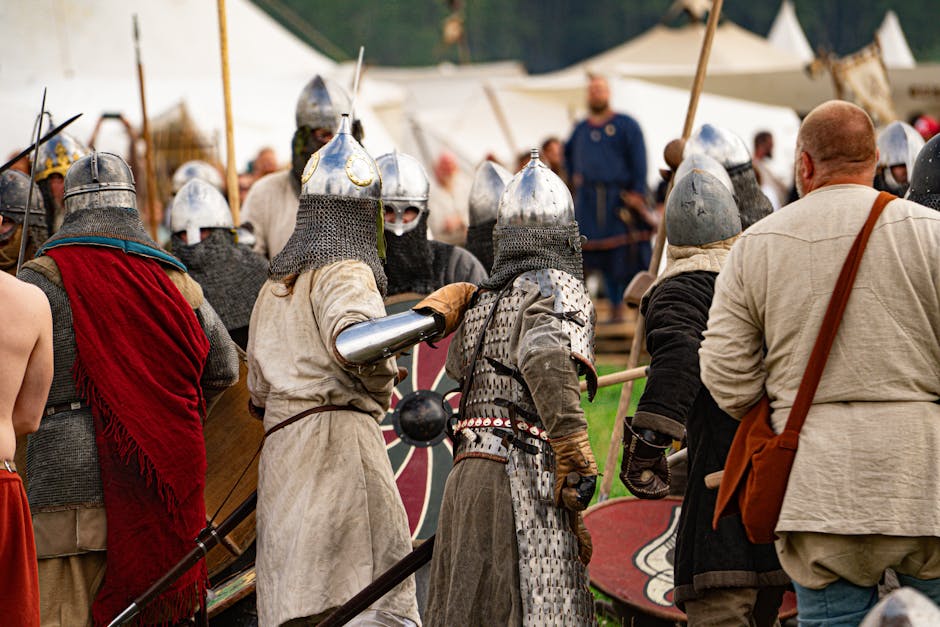
Perhaps the most pervasive myth about Vikings is their iconic horned helmet, but historical evidence shows this is completely false. No authentic Viking helmet with horns has ever been discovered by archaeologists. This misconception originated in the 19th century when costume designers created elaborate horned helmets for Wagner’s opera productions. In reality, Viking warriors wore simple, practical iron helmets, often rounded or conical in shape, sometimes with a nose guard. Wearing horns in battle would have been impractical and dangerous, making the wearer more vulnerable to injury. The horned helmet image, however, has become so embedded in popular culture that it remains the enduring symbol of Vikings despite being historically inaccurate.
2. Vikings Were Exceptionally Clean and Groomed
Contrary to the common portrayal of Vikings as dirty barbarians, they were actually remarkably hygienic, especially compared to other Europeans of their era. Archaeological excavations have uncovered numerous grooming tools including combs, tweezers, ear cleaners, and razors at Viking sites. Historical accounts from England noted that Scandinavian men were particularly attractive to local women because they bathed weekly—a practice considered excessive by medieval standards. Vikings also changed their clothes regularly and took great pride in their appearance. Saturday was even designated as bathing day, called “laugardagr” in Old Norse, which literally translates to “washing day.” This emphasis on cleanliness set them apart from many of their contemporaries in medieval Europe.
3. Viking Women Had Remarkable Rights and Freedoms
Viking women enjoyed considerably more rights and social freedoms than most women in medieval Europe. They could own property, request divorces, and reclaim their dowries if their marriages ended. When their husbands were away on trading expeditions or raids—which could last for years—women managed farms, made economic decisions, and led households with complete authority. Some women even became warriors, though this was rare. Archaeological evidence, including the famous Birka warrior grave in Sweden, suggests that some women did participate in military activities. Viking women could also inherit property and had the right to sit on juries in legal proceedings, freedoms that women in many other European societies would not achieve for centuries.
4. They Were Master Explorers Who Reached North America
Vikings were extraordinary navigators and explorers who reached North America roughly 500 years before Christopher Columbus. Around the year 1000 CE, Norse explorer Leif Erikson established a settlement called Vinland in what is now Newfoundland, Canada. Archaeological evidence at L’Anse aux Meadows confirms Viking presence in North America during this period. The Vikings also settled Iceland and Greenland, creating thriving communities in these harsh environments. Their navigational skills were remarkable, using the sun, stars, coastal landmarks, and possibly primitive magnetic compasses and special crystals called “sunstones” to navigate across vast ocean distances. Their advanced shipbuilding technology and seafaring expertise enabled them to explore and establish trade networks across an enormous geographic range.
5. Vikings Practiced Democratic Assemblies Called Things
The Vikings had a sophisticated legal system centered around democratic assemblies known as “things” or “althings.” These gatherings brought free men together to settle disputes, make laws, and decide on important community matters. Iceland’s Althing, established in 930 CE, is considered one of the world’s oldest surviving parliaments. During these assemblies, legal cases were heard, judgments rendered, and community decisions made through discussion and consensus. Even though Viking society had social hierarchies, these democratic institutions gave ordinary free men a voice in governance—a progressive concept for the medieval period. The thing system demonstrated that Vikings valued justice, order, and community participation in decision-making processes.
6. They Founded Major European Cities
Vikings weren’t just raiders; they were also city founders and skilled traders who established numerous important European cities. Dublin, Ireland’s capital, was founded as a Viking settlement in 841 CE and became a major trading hub. The city’s name comes from the Irish “Dubh Linn,” meaning “black pool,” referring to a Viking harbor. Vikings also founded or significantly developed other major cities including York (Jorvik) in England, Normandy in France, and played crucial roles in establishing trading centers throughout Russia. These settlements evolved from temporary winter camps into permanent urban centers that facilitated extensive trade networks connecting Scandinavia with the Byzantine Empire, the Middle East, and beyond.
7. Viking Berserkers Were Real Warriors
Berserkers were elite Viking warriors famous for entering trance-like states of fury during battle, fighting with wild abandon and seemingly superhuman strength. Historical accounts describe these warriors as wearing bear or wolf skins and being impervious to pain. While sensationalized in legends, berserkers were real, though the source of their battle rage remains debated. Theories include ritualistic consumption of psychoactive substances, self-induced hysteria, genetic conditions, or mental states similar to battle trance. The word “berserk” entered the English language directly from these Viking warriors, becoming synonymous with wild, frenzied behavior. Whether their prowess came from psychological conditioning, substances, or sheer ferocity, berserkers were feared opponents who played significant roles in Viking military culture.
8. They Had a Rich Tradition of Poetry and Storytelling
Vikings possessed a sophisticated oral tradition with professional poets called skalds who composed complex verses about heroes, gods, and historical events. These poems used intricate metaphors called “kennings”—poetic phrases like “whale-road” for sea or “battle-sweat” for blood. Viking sagas, though written down later, preserve remarkable tales of exploration, family feuds, and legendary heroes. These stories weren’t merely entertainment; they preserved history, cultural values, and genealogies across generations. The poetic Edda and prose Edda contain mythological and heroic legends that remain influential in literature today. This rich literary tradition reveals Vikings as culturally sophisticated people who valued eloquence, wit, and the preservation of their heritage through carefully crafted verse.
9. Vikings Used a Unique Navigation Method Called Sun Compasses
Vikings developed ingenious navigation tools to traverse vast oceans, including sophisticated sun compasses and possibly mysterious “sunstones.” Archaeological discoveries include wooden discs marked with intricate patterns that functioned as sun compasses, helping navigators determine direction based on the sun’s position. Legendary sunstones, possibly calcite crystals, may have helped locate the sun’s position even in cloudy conditions by analyzing polarized light patterns. These tools, combined with detailed mental maps of currents, wildlife patterns, and coastal features, enabled Vikings to make remarkable voyages across open ocean. Their navigation system was so effective that they could maintain regular trade routes between Scandinavia, Britain, Iceland, and even reach the Mediterranean and North America.
10. They Influenced the English Language Significantly
The Viking presence in Britain has left a permanent mark on the English language, with hundreds of common words derived from Old Norse. Words like “sky,” “egg,” “cake,” “knife,” “husband,” “window,” “happy,” “ugly,” “wrong,” and even days of the week (Thursday from Thor’s day, Friday from Frigg’s day) come directly from the Vikings. Many place names in England, particularly in areas of heavy Viking settlement, end in “-by” (meaning farm or town), “-thorpe” (village), or “-thwaite” (meadow). This linguistic legacy demonstrates the deep cultural integration that occurred when Vikings settled in Britain. Rather than remaining separate, Norse settlers intermarried with local populations and their languages blended, fundamentally shaping English into the hybrid Germanic language it is today.
Conclusion
These ten fascinating facts reveal that Vikings were far more than the one-dimensional raiders of popular imagination. They were skilled navigators who reached North America centuries before Columbus, democratic pioneers who established parliamentary systems, hygienic people who valued cleanliness and grooming, and sophisticated storytellers who preserved rich cultural traditions. Viking women enjoyed remarkable freedoms, their warriors included legendary berserkers, and they founded cities that remain important European centers today. Their advanced navigation techniques enabled unprecedented exploration, and their linguistic influence continues to shape modern English. Understanding these facts provides a more accurate and nuanced picture of Viking culture, showing them as complex, innovative people whose legacy extends far beyond their reputation as fierce warriors. The Vikings’ contributions to exploration, governance, urban development, and culture significantly shaped the medieval world and continue to influence modern society.
