
⏱️ 7 min read
Top 10 Fun Facts About the Louvre Museum
The Louvre Museum in Paris stands as one of the world’s most iconic cultural institutions, attracting millions of visitors annually who come to admire its extraordinary collection of art and artifacts. While many people know it as the home of the Mona Lisa, this magnificent museum holds countless fascinating stories and surprising details that often go unnoticed. From its royal origins to its architectural marvels, the Louvre is filled with intriguing facts that showcase its rich history and cultural significance. Here are ten captivating facts about this legendary museum that will deepen your appreciation for this treasured landmark.
1. The Louvre Started as a Medieval Fortress
Before becoming the world’s most visited museum, the Louvre began its existence as a fortress built in the late 12th century under King Philip II. Constructed around 1190, the original structure was designed to defend Paris against Viking and Norman invasions. The remains of this medieval fortress can still be seen today in the museum’s basement, where visitors can explore the archaeological excavations that reveal the original moat and defensive towers. This transformation from military fortification to royal palace and eventually to public museum represents over 800 years of Parisian history.
2. It’s the World’s Largest Art Museum
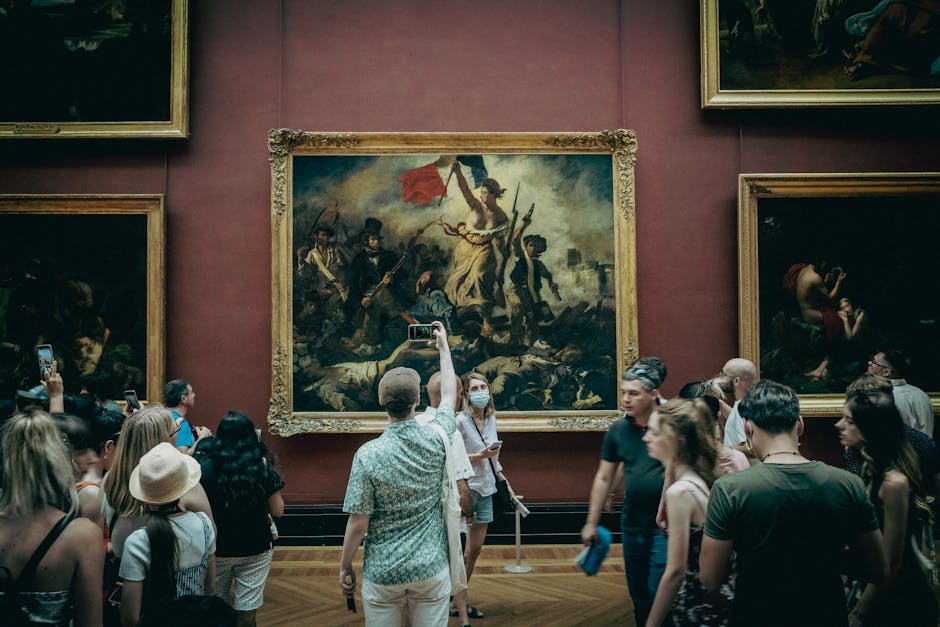
The Louvre holds the impressive distinction of being the largest art museum in the world. The museum covers approximately 782,910 square feet of exhibition space, spread across more than 400 rooms. Its vast collection comprises nearly 380,000 objects and displays approximately 35,000 works of art at any given time. To put this in perspective, if a visitor spent just 30 seconds viewing each piece in the collection, it would take approximately 100 days of non-stop viewing to see everything. The museum’s three wings—Richelieu, Sully, and Denon—form a massive complex that would be impossible to explore comprehensively in a single visit.
3. The Glass Pyramid Caused Massive Controversy
When architect I.M. Pei’s modern glass pyramid was unveiled in 1989 as the museum’s new main entrance, it sparked intense debate and criticism among Parisians and art critics alike. Many considered the contemporary structure an eyesore that clashed with the classical French Renaissance architecture of the palace. The pyramid consists of 673 glass panels and stands 71 feet high, creating a striking contrast with its historic surroundings. However, over time, this initially controversial addition has become one of Paris’s most recognizable symbols and a beloved landmark that successfully bridges the museum’s past and present.
4. The Mona Lisa Has Her Own Mailbox
Leonardo da Vinci’s Mona Lisa is undoubtedly the Louvre’s most famous resident, and she receives special treatment befitting her celebrity status. The painting actually has its own dedicated mailbox because admirers from around the world send thousands of letters and love notes addressed specifically to the enigmatic lady in the portrait. This peculiar fact highlights the extraordinary cultural phenomenon surrounding this 16th-century masterpiece. The painting is also displayed behind bulletproof glass in a climate-controlled environment and is viewed by approximately 80 percent of the museum’s visitors.
5. Napoleon Made It a Museum of Conquered Treasures
When Napoleon Bonaparte came to power, he transformed the Louvre into the “Musée Napoléon” and filled it with artistic treasures plundered from his military conquests across Europe and Egypt. At its peak, the museum held confiscated artworks from Italy, Belgium, the Netherlands, and numerous other territories. Following Napoleon’s defeat at Waterloo in 1815, many of these stolen masterpieces were returned to their countries of origin, though some significant pieces remained in France. This controversial chapter in the museum’s history reflects the complex relationship between war, colonialism, and cultural heritage that continues to spark debates about museum collections today.
6. There’s an Entire Shopping Mall Underneath
Beneath the Louvre’s courtyards lies the Carrousel du Louvre, an extensive underground commercial complex that opened in 1993. This subterranean space features numerous shops, restaurants, and boutiques, as well as an inverted glass pyramid that serves as a skylight. The complex also includes exhibition spaces and connects to the Paris Metro system, making it a bustling hub of activity that exists entirely separate from the museum above. This hidden world beneath one of the world’s most famous museums demonstrates how the Louvre continues to evolve as a multifaceted cultural and commercial center.
7. The Museum Closes Only Four Days Per Year
Despite its enormous size and the logistical challenges of maintaining such a vast institution, the Louvre Museum closes only four times annually: on January 1st, May 1st (Labor Day), December 25th, and one day in July for the Bastille Day military parade. This remarkable accessibility means the museum welcomes visitors nearly every day of the year, accommodating the approximately 10 million people who visit annually. This commitment to public access reflects the museum’s founding principle as a democratic institution dedicated to making art available to all people, regardless of social status or background.
8. Not All Wings Were Built at the Same Time
The Louvre’s construction spanned more than 600 years, with different French monarchs adding their own architectural contributions. King Francis I demolished part of the old fortress in 1546 to build a Renaissance palace, while subsequent rulers continued expanding the structure. The extensive building project wasn’t completed until 1989 with the Grand Louvre project under President François Mitterrand. This lengthy construction period resulted in a fascinating architectural tapestry that showcases various styles and periods, from medieval foundations to Renaissance additions and modern interventions, making the building itself a journey through French architectural history.
9. The Museum Employs a Dozen Beekeepers
In a surprising environmental initiative, the Louvre maintains several beehives on its rooftops, tended by professional beekeepers. Installed in 2013, these hives are home to approximately 200,000 bees that produce honey sold in the museum’s boutique. This urban beekeeping program serves multiple purposes: it contributes to bee conservation efforts, promotes biodiversity in the city center, and connects the historic institution with contemporary environmental concerns. The Louvre honey has become a sought-after souvenir, offering visitors a unique and literal taste of the museum experience.
10. It Houses Art From Ancient Civilizations to the 1860s
The Louvre’s collection spans an extraordinary timeline, featuring artifacts and artworks from ancient Mesopotamian civilizations dating back to 7000 BCE through to European paintings created in the 1860s. The museum’s eight departments cover Egyptian Antiquities, Near Eastern Antiquities, Greek and Roman Antiquities, Islamic Art, Sculptures, Decorative Arts, Paintings, and Prints and Drawings. However, works created after 1848 are typically housed in the nearby Musée d’Orsay, while contemporary art finds its home at the Centre Pompidou. This chronological division among Paris’s museums creates a comprehensive artistic journey through human civilization.
Conclusion
The Louvre Museum represents far more than a repository of artistic masterpieces; it embodies centuries of French history, architectural evolution, and cultural transformation. From its medieval origins as a defensive fortress to its current status as a global cultural icon, the museum continues to surprise and inspire visitors with its hidden stories and remarkable facts. Whether it’s the controversial glass pyramid that became an icon, the beehives buzzing on its rooftops, or the underground shopping complex beneath its courtyards, the Louvre constantly demonstrates its ability to honor tradition while embracing innovation. These ten fascinating facts merely scratch the surface of what makes this institution so extraordinary, inviting art lovers and history enthusiasts alike to discover their own remarkable stories within its hallowed halls.
