
⏱️ 7 min read
Top 10 Facts About Famous Museums Around the World
Museums serve as guardians of human civilization, preserving artistic masterpieces, historical artifacts, and cultural treasures for generations to come. These institutions stand as monuments to our collective heritage, attracting millions of visitors annually who seek to connect with the creative achievements of humanity. From ancient Egyptian artifacts to contemporary masterpieces, the world’s most famous museums house collections that span millennia and continents. This article explores ten fascinating facts about renowned museums that have shaped the cultural landscape and continue to inspire art lovers worldwide.
1. The Louvre Is the World’s Most Visited Museum
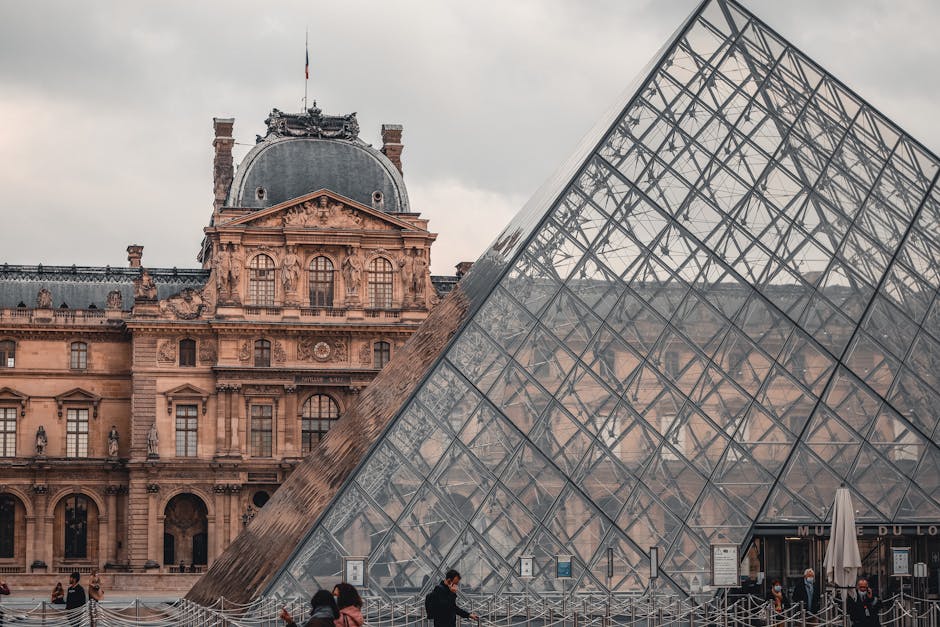
The Louvre Museum in Paris, France, holds the distinction of being the world’s most visited art museum, welcoming approximately 10 million visitors annually before the pandemic, with numbers continuing to soar. Originally built as a fortress in the late 12th century under Philip II, the Louvre was transformed into a royal palace before becoming a public museum in 1793 during the French Revolution. The museum’s collection comprises over 380,000 objects and displays 35,000 works of art across 72,735 square meters of exhibition space. The iconic glass pyramid entrance, designed by architect I.M. Pei and completed in 1989, has become one of the most recognizable symbols of both the museum and Paris itself.
2. The Hermitage Museum Has More Than Three Million Items
The State Hermitage Museum in St. Petersburg, Russia, boasts one of the largest and most comprehensive art collections in the world, with over three million items in its holdings. Founded in 1764 by Catherine the Great, the museum complex consists of six historic buildings along the Palace Embankment, including the Winter Palace, which served as the official residence of Russian emperors. If a visitor spent just one minute looking at each exhibit, it would take approximately eleven years to see the entire collection. The museum employs a team of nearly 70 cats as full-time rodent hunters, a tradition dating back to Empress Elizabeth’s reign in the 18th century.
3. The British Museum Never Closes Its Entire Collection
The British Museum in London operates with a unique philosophy of accessibility, maintaining a permanent free admission policy to its main collection since 2001. Founded in 1753, it was the first national public museum in the world, built on the principle that art and knowledge should be available to all, regardless of social status or wealth. The museum houses approximately eight million works spanning two million years of human history and culture, representing all continents. Its collection includes the Rosetta Stone, the Parthenon sculptures, and Egyptian mummies, making it one of the most comprehensive institutions dedicated to human history and culture.
4. The Metropolitan Museum of Art Spans 5,000 Years of History
The Metropolitan Museum of Art in New York City, commonly known as “The Met,” is the largest art museum in the United States and ranks among the most visited museums globally. Founded in 1870, The Met’s permanent collection contains over two million works divided among seventeen curatorial departments, spanning 5,000 years of art from around the world. The museum’s main building on Fifth Avenue covers approximately two million square feet, making it one of the world’s largest art galleries. The Met also operates The Met Cloisters, a separate facility in Upper Manhattan dedicated to medieval European art and architecture, featuring an authentic medieval garden and architectural elements from European monasteries.
5. The Vatican Museums Contain Michelangelo’s Sistine Chapel
The Vatican Museums in Vatican City house one of the world’s greatest art collections, accumulated by the Roman Catholic Church and papacy throughout centuries. These museums display works from the immense collection built up by the popes, including some of the most renowned Roman sculptures and Renaissance art masterpieces. The crown jewel of the Vatican Museums is the Sistine Chapel, featuring Michelangelo’s magnificent ceiling frescoes painted between 1508 and 1512, along with his “Last Judgment” on the altar wall. The museums attract approximately six million visitors annually, making advance reservations essential for those wishing to avoid lengthy queues.
6. The Uffizi Gallery Pioneered Modern Museum Design
The Uffizi Gallery in Florence, Italy, is one of the oldest and most famous art museums in the world, originally constructed between 1560 and 1580 to house the offices of Florentine magistrates. The gallery is credited with pioneering many aspects of modern museum design, including the concept of displaying art chronologically and organizing works by school and period. The Uffizi holds the world’s finest collection of Renaissance art, including masterpieces by Botticelli, Leonardo da Vinci, Michelangelo, and Raphael. The famous “Birth of Venus” by Botticelli, one of the most iconic images in Western art, permanently resides in this prestigious institution.
7. The Rijksmuseum Underwent a Ten-Year Renovation
The Rijksmuseum in Amsterdam, Netherlands, dedicated to arts and history, underwent an extensive renovation lasting nearly ten years from 2003 to 2013, transforming it into a modern museum while preserving its historic 19th-century architecture. The museum houses over one million objects in its collection, with 8,000 objects on display in 80 galleries, including masterpieces by Dutch Golden Age painters such as Rembrandt, Vermeer, and Frans Hals. Rembrandt’s masterpiece “The Night Watch” serves as the centerpiece of the Gallery of Honour, positioned to allow visitors to view it from multiple angles and distances. The museum successfully combines historical significance with contemporary museum practices, featuring a research library with approximately 450,000 books and periodicals.
8. The Prado Museum Houses the World’s Finest Spanish Art Collection
The Museo del Prado in Madrid, Spain, is widely considered to have the world’s finest collection of European art, particularly Spanish paintings from the 12th to early 20th centuries. Established in 1819, the Prado’s collection currently comprises around 8,200 drawings, 7,600 paintings, 4,800 prints, and 1,000 sculptures, along with numerous decorative arts objects and historical documents. The museum features the most comprehensive collections of works by Francisco Goya, Diego Velázquez, and Hieronymus Bosch, including Velázquez’s “Las Meninas,” considered one of the most important paintings in Western art history. The Prado forms part of Madrid’s “Golden Triangle of Art” alongside the Reina Sofía and Thyssen-Bornemisza museums.
9. The Tokyo National Museum Is Japan’s Oldest Museum
The Tokyo National Museum, established in 1872, is Japan’s oldest and largest museum, specializing in traditional Japanese art and Asian art along the Silk Road. The museum complex consists of five exhibition buildings, each with a different architectural style and focus, housing a comprehensive collection of over 110,000 objects, including 87 Japanese National Treasures. The Honkan (Japanese Gallery) displays Japanese art from ancient times to the 19th century, while the Toyokan (Asian Gallery) features art from other Asian countries including China, Korea, Southeast Asia, and India. The museum plays a crucial role in preserving and promoting Japanese cultural heritage while fostering international cultural exchange through its diverse exhibitions.
10. The Museum of Modern Art Revolutionized Art Exhibition Standards
The Museum of Modern Art (MoMA) in New York City, founded in 1929, revolutionized the way modern and contemporary art is exhibited, collected, and understood. MoMA was among the first museums dedicated exclusively to the modern era, establishing the idea that contemporary art deserved the same institutional recognition as historical art. The museum’s collection includes approximately 200,000 works of modern and contemporary art, encompassing paintings, sculptures, drawings, prints, photographs, architectural models, and design objects. MoMA pioneered the white-cube gallery aesthetic that has become standard in contemporary art museums worldwide, creating neutral spaces that allow artworks to speak for themselves without architectural distraction.
Conclusion
These ten remarkable museums represent the pinnacle of cultural institutions dedicated to preserving and presenting humanity’s artistic achievements. From the vast collections of the Louvre and Hermitage to the specialized focus of institutions like the Prado and Tokyo National Museum, each establishment offers unique insights into different aspects of human creativity and expression. These museums not only safeguard irreplaceable treasures but also serve as educational centers, research facilities, and sources of inspiration for millions of visitors annually. Whether housing Renaissance masterpieces, ancient artifacts, or modern innovations, these institutions continue to play an essential role in connecting contemporary audiences with the artistic legacy of civilizations past and present, ensuring that cultural heritage remains accessible and relevant for future generations.
