
⏱️ 7 min read
Top 10 Cool Facts About Natural Disasters
Natural disasters have shaped our planet for billions of years, demonstrating the raw power and unpredictability of Earth’s natural systems. While these events can be devastating, they also reveal fascinating aspects of our planet’s geology, meteorology, and physics. From the incredible forces that drive earthquakes to the surprising benefits some disasters can bring, the science behind natural disasters offers remarkable insights into how our world works. Here are ten cool facts about natural disasters that showcase the extraordinary nature of these powerful phenomena.
1. Lightning Strikes Earth 100 Times Every Second
While individual thunderstorms may seem like isolated events, lightning is actually striking somewhere on Earth approximately 100 times per second, totaling around 8.6 million strikes per day. This continuous electrical activity plays a crucial role in maintaining Earth’s electrical balance. The temperature of a lightning bolt can reach 30,000 Kelvin (53,540 degrees Fahrenheit), which is five times hotter than the surface of the sun. This extreme heat causes the surrounding air to expand rapidly, creating the thunder we hear. Interestingly, lightning also helps produce nitrogen compounds that fertilize soil, contributing to plant growth around the world.
2. The Deadliest Natural Disaster Killed Nearly a Million People
The 1931 China floods remain the deadliest natural disaster in recorded history, with death toll estimates ranging from 1 to 4 million people. Caused by extreme weather conditions and the overflow of the Yangtze and Huai Rivers, this catastrophe affected approximately 52 million people across central and eastern China. The disaster resulted from a combination of heavy snowfall, winter monsoons, and spring rainfall that overwhelmed the river systems. This event demonstrated how multiple natural factors can combine to create unprecedented devastation and led to significant changes in flood management strategies worldwide.
3. Tornadoes Can Have Wind Speeds Over 300 MPH
The most powerful tornadoes, classified as EF5 on the Enhanced Fujita Scale, can produce wind speeds exceeding 300 miles per hour. These violent rotating columns of air can lift buildings from their foundations, strip asphalt from roads, and hurl vehicles hundreds of yards through the air. The United States experiences more tornadoes than any other country, averaging about 1,200 annually, with “Tornado Alley” in the central plains being particularly susceptible. What makes tornadoes especially fascinating is their relatively small size compared to their destructive power—most are less than 500 feet wide, yet they can carve paths of destruction miles long.
4. Volcanic Eruptions Can Affect Global Climate
Major volcanic eruptions have the power to cool the entire planet by releasing massive amounts of ash and sulfur dioxide into the stratosphere. These particles reflect sunlight away from Earth, causing temporary global cooling. The 1815 eruption of Mount Tambora in Indonesia led to 1816 being known as “the year without a summer,” causing crop failures and food shortages across the Northern Hemisphere. More recently, the 1991 eruption of Mount Pinatubo in the Philippines lowered global temperatures by about 0.5 degrees Celsius for nearly two years. This demonstrates how a single geological event can have worldwide atmospheric consequences.
5. Earthquakes Occur Constantly Around the World
While major earthquakes grab headlines, the Earth experiences approximately 500,000 detectable earthquakes each year. Of these, about 100,000 can be felt by humans, and roughly 100 cause damage. The U.S. Geological Survey estimates that several million earthquakes occur annually, though most are too small to be detected without sensitive instruments. Earthquakes happen because Earth’s outer shell consists of tectonic plates constantly moving, grinding, and colliding with each other. The energy released during a magnitude 8 earthquake is equivalent to detonating approximately 6 million tons of TNT, showcasing the immense forces at work beneath our feet.
6. Tsunamis Can Travel Faster Than Jet Planes
In deep ocean waters, tsunami waves can travel at speeds exceeding 500 miles per hour, comparable to a commercial jet aircraft. Despite their incredible speed, these waves may be less than three feet high in the open ocean, making them difficult to detect. However, as tsunamis approach shallower coastal waters, they slow down but increase dramatically in height, sometimes reaching over 100 feet. The word “tsunami” comes from Japanese, meaning “harbor wave,” reflecting Japan’s long history with these disasters. The 2004 Indian Ocean tsunami traveled thousands of miles, affecting coastlines in eleven countries and demonstrating the far-reaching impact these waves can have.
7. Some Wildfires Create Their Own Weather Systems
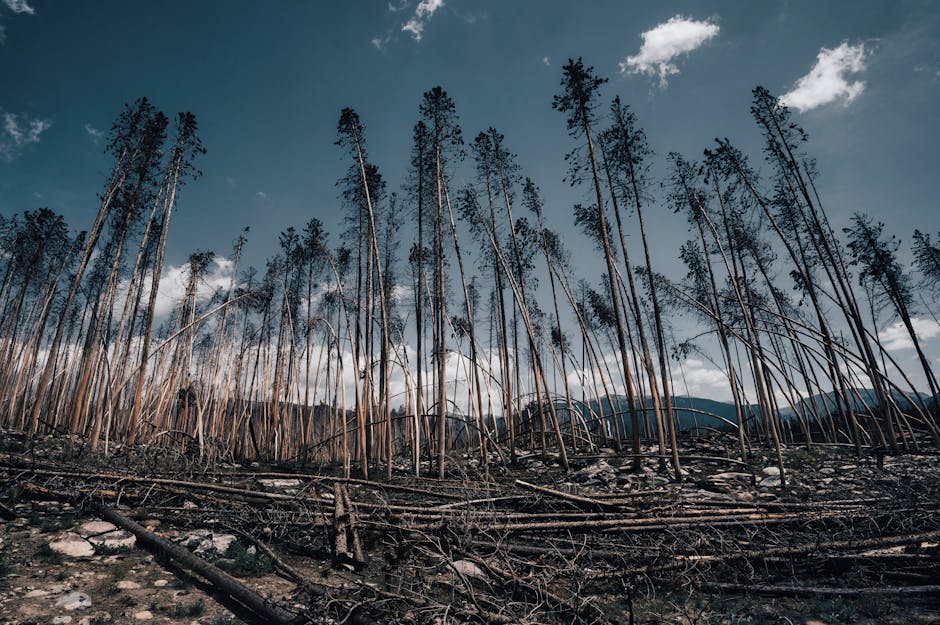
Large wildfires can become so intense that they generate their own weather patterns, including fire tornadoes, lightning, and even rain. These pyrocumulonimbus clouds form when extreme heat from fires causes air to rise rapidly, creating towering storm clouds. The updrafts can be so powerful that they launch embers miles ahead of the fire front, starting new blazes. Fire tornadoes, or “fire whirls,” occur when rising heat and turbulent winds combine, creating spinning vortexes of flame that can reach temperatures of 2,000 degrees Fahrenheit. These phenomena make large wildfires unpredictable and extremely dangerous for firefighters.
8. Hurricanes Release Enormous Amounts of Energy
A single hurricane releases energy equivalent to approximately 200 times the worldwide electrical generating capacity every day. In just one day, a hurricane releases heat energy equivalent to detonating a 10-megaton nuclear bomb every 20 minutes. This energy comes from the condensation of water vapor in the storm’s clouds. Hurricanes act as massive heat engines, transferring warm air from tropical regions toward the poles, playing a crucial role in regulating Earth’s climate. Despite their destructive potential, hurricanes are essential components of the planet’s atmospheric circulation system.
9. Avalanches Can Reach Speeds of 80 MPH in Seconds
Snow avalanches can accelerate from zero to 80 miles per hour in just five seconds, creating walls of snow weighing hundreds of tons. The force generated by a large avalanche can destroy forests, buildings, and anything else in its path. Powder avalanches can create a preceding blast of air traveling ahead of the snow itself, knocking down structures before the snow even arrives. Approximately 90% of avalanche victims trigger the avalanche themselves, making education about avalanche safety crucial for backcountry enthusiasts. Modern avalanche forecasting and safety equipment have significantly reduced fatalities, but these events remain one of the most dangerous natural hazards in mountainous regions.
10. Natural Disasters Can Create New Land
While natural disasters are often associated with destruction, they can also be creative forces. Volcanic eruptions regularly create new land masses, as seen with the ongoing formation of Hawaii’s Big Island and the birth of islands like Surtsey off Iceland’s coast in 1963. Earthquakes can raise sections of the seafloor, creating new coastal areas or islands. The 1964 Alaska earthquake raised some areas by as much as 38 feet, permanently altering the coastline. These constructive aspects of natural disasters remind us that geological processes are constantly reshaping our planet, building new landscapes even as they transform existing ones.
Conclusion
These ten facts reveal that natural disasters are far more than simple destructive events—they are complex phenomena driven by fundamental forces that shape our planet. From lightning’s role in fertilizing soil to hurricanes’ function in regulating global climate, these events serve important purposes in Earth’s natural systems. Understanding the science behind earthquakes, tornadoes, tsunamis, and other disasters helps us better prepare for their impacts while appreciating the remarkable power of nature. While we continue developing better prediction methods and safety measures, these facts remind us of both the awesome power and the intricate complexity of the natural world we inhabit.
