






⏱️ 6 min read
Did You Know? 12 Amazing Facts About Michelangelo
Michelangelo Buonarroti stands as one of the most influential artists in the history of Western art, renowned for his extraordinary contributions to sculpture, painting, and architecture during the Italian Renaissance. While most people are familiar with his iconic works like the Sistine Chapel ceiling and the statue of David, many fascinating aspects of his life and career remain lesser-known. These twelve amazing facts reveal the complexity, dedication, and genius of this Renaissance master who forever changed the artistic landscape.
1. He Signed Only One Work in His Entire Career
Despite creating hundreds of masterpieces throughout his lifetime, Michelangelo signed only a single work: the Pietà in St. Peter's Basilica. According to historical accounts, he overheard visitors attributing the sculpture to another artist and was so offended that he carved his name across the sash on the Virgin Mary's chest that same night. He later regretted this act of pride and vowed never to sign another work again, staying true to his word for the remaining five decades of his career.
2. He Carved David from Rejected Marble
The magnificent statue of David, standing over 17 feet tall, was sculpted from a massive block of marble that had been abandoned and considered ruined by other artists. The marble had been extracted from a quarry in Carrara over 40 years earlier, and two other sculptors had attempted to work with it before giving up. Michelangelo saw potential where others saw only flaws, transforming what was deemed unusable stone into one of the most celebrated sculptures in art history.
3. He Painted the Sistine Chapel Ceiling Standing Up
Contrary to popular belief, Michelangelo did not paint the Sistine Chapel ceiling while lying on his back. He designed a special scaffolding system that allowed him to stand while working, though he had to bend backward and crane his neck upward for extended periods. This grueling position caused him significant physical pain and temporary vision problems. The artist even wrote a humorous poem describing his discomfort, including references to his beard pointing toward heaven and paint dripping onto his face.
4. He Was a Published Poet
Beyond his visual artistry, Michelangelo was an accomplished poet who wrote more than 300 poems throughout his lifetime. His poetry explored themes of love, faith, beauty, and mortality, often reflecting his personal struggles and spiritual beliefs. His verses were so highly regarded that they were published during his lifetime, making him one of the few Renaissance artists to achieve recognition in both visual arts and literature. His most famous poems were inspired by his deep friendships and his profound religious devotion.
5. He Studied Human Anatomy Through Dissection
To achieve the remarkable anatomical accuracy evident in his sculptures and paintings, Michelangelo conducted extensive studies of human anatomy by dissecting corpses. Beginning when he was just a teenager, he performed these dissections at the Santo Spirito church in Florence, where the prior allowed him access to bodies from the hospital. This hands-on study gave him an unparalleled understanding of muscles, bones, and the human form, which became a hallmark of his artistic style.
6. He Lived an Extremely Frugal Lifestyle Despite Wealth
Although Michelangelo earned substantial sums from his commissions and became quite wealthy, he lived an austere and almost miserly existence. He often slept in his clothes and boots, ate simple meals of bread and wine, and lived in modest accommodations despite being able to afford luxurious residences. He was known to send most of his earnings back to his family in Florence and seemed indifferent to material comforts, dedicating himself entirely to his work rather than worldly pleasures.
7. He Considered Himself a Sculptor First
Despite his extraordinary achievements in painting and architecture, Michelangelo always identified primarily as a sculptor. He was initially reluctant to accept the commission to paint the Sistine Chapel ceiling, believing that painting was beneath his talents and that his rivals had convinced Pope Julius II to assign him the project to ensure his failure. He signed letters as "Michelangelo, sculptor" and maintained throughout his life that sculpture was the supreme art form.
8. He Had a Broken Nose from a Teenage Brawl
Michelangelo's distinctive facial profile resulted from a violent encounter during his youth. As a teenager studying in the Medici gardens, he got into an argument with fellow student Pietro Torrigiano about art. Torrigiano punched Michelangelo in the face with such force that he broke his nose, permanently disfiguring it. This injury left the artist self-conscious about his appearance for the rest of his life and may have contributed to his reclusive personality.
9. He Worked Until the Week He Died at Age 88
Michelangelo's dedication to his craft continued until his final days. He died at age 88, which was remarkably advanced for the Renaissance era, and was actively working on the Rondanini Pietà just six days before his death. His longevity and sustained productivity were extraordinary for his time, and he outlived most of his contemporaries and rivals. His work ethic remained legendary, often working by candlelight late into the night and rarely taking breaks from his projects.
10. He Completed the Sistine Chapel Ceiling in Just Four Years
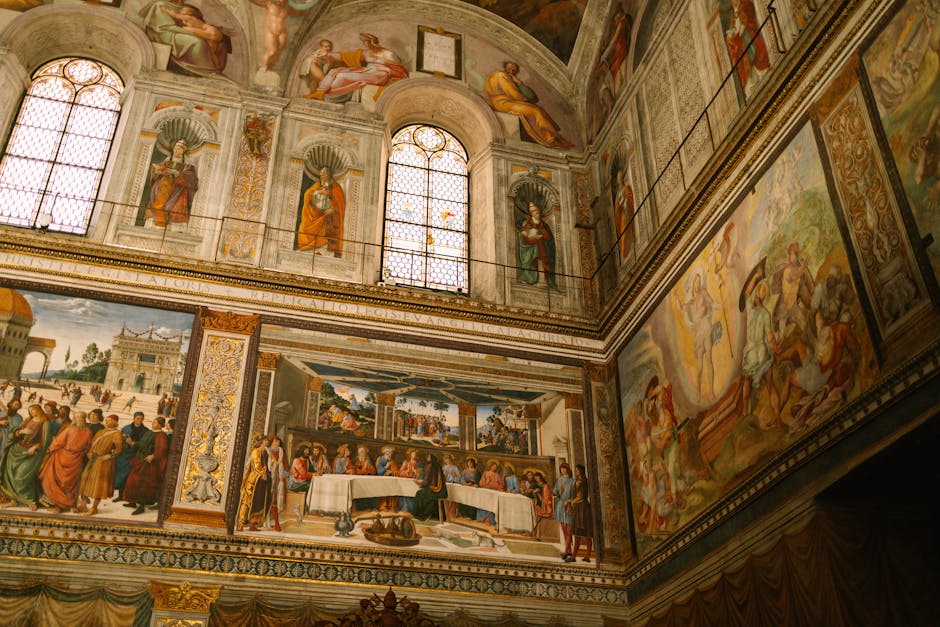
The monumental undertaking of painting the Sistine Chapel ceiling, covering approximately 5,000 square feet with over 300 figures, was completed between 1508 and 1512. This means Michelangelo accomplished this masterpiece in roughly four years, working largely alone with minimal assistance. The speed and quality of this achievement become even more remarkable considering the difficult working conditions, the complexity of the fresco technique, and the fact that he had limited prior experience with large-scale painting projects.
11. He Designed Military Fortifications
During the siege of Florence in 1529, Michelangelo served as the director of fortifications for the city, applying his architectural genius to military defense. He designed innovative defensive structures and fortifications to protect Florence from invading forces. Though these military works are less celebrated than his artistic achievements, they demonstrate the breadth of his talents and his commitment to his beloved Florence during times of crisis.
12. He Hid Self-Portraits in His Work
Michelangelo incorporated subtle self-portraits into several of his major works. Most notably, in the Sistine Chapel's Last Judgment, he painted his own face on the flayed skin held by St. Bartholomew, creating a haunting and symbolic self-representation. This macabre detail is interpreted by many scholars as reflecting his spiritual anguish and contemplation of mortality. He also included other hidden details and symbolic elements throughout his works that continue to fascinate art historians today.
Conclusion
These twelve fascinating facts about Michelangelo reveal an artist far more complex than the simple genius often portrayed in popular culture. From his humble use of rejected marble to his secretive anatomical studies, from his poetic writings to his military contributions, Michelangelo embodied the Renaissance ideal of the multifaceted master. His dedication bordered on obsession, his talent seemed boundless, and his influence on art remains immeasurable. Understanding these lesser-known aspects of his life enriches our appreciation of his masterpieces and reminds us that behind every great work of art stands a fully human creator with quirks, struggles, and an unwavering commitment to excellence. Michelangelo's legacy continues to inspire artists and art lovers more than 450 years after his death, proving that true genius transcends time.