











1 / 20 Questions
0 Points

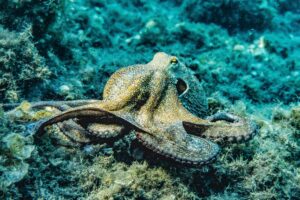
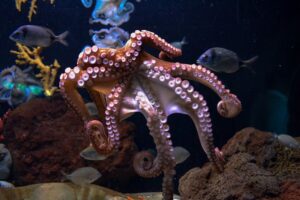
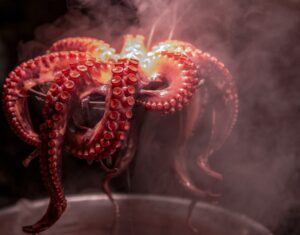
How many hearts does an octopus have?

2

3

4

5

Points won
0
Correct score
0%

More Articles

Top 10 Most Dangerous Plants in the World

Top 10 Most Dangerous Plants in the World

⏱️ 6 min read

Top 10 Most Dangerous Plants in the World

While the plant kingdom offers countless benefits to humanity, from food and medicine to oxygen production, it also harbors some remarkably dangerous species. These hazardous plants have evolved deadly defenses through toxic compounds, painful spines, or poisonous saps that can cause serious harm or even death to humans and animals. Understanding these botanical threats is essential for outdoor enthusiasts, gardeners, and anyone who ventures into natural environments. This article explores ten of the most dangerous plants found across the globe, examining their toxic properties and the risks they pose to human health.

1. Castor Bean Plant (Ricinus communis)

The castor bean plant holds the notorious distinction of producing ricin, one of the most toxic naturally occurring substances known to science. Native to tropical Africa but now found worldwide, this ornamental plant contains ricin primarily in its seeds. A single castor bean seed can be lethal if chewed and swallowed, with just one milligram of purified ricin capable of killing an adult. Symptoms of ricin poisoning include severe abdominal pain, vomiting, diarrhea, and circulatory collapse. Despite its danger, castor oil is safely extracted from the seeds through careful processing that denatures the toxic protein.

2. Deadly Nightshade (Atropa belladonna)

Aptly named, deadly nightshade has been feared throughout history for its lethal properties. All parts of this European native contain tropane alkaloids, including atropine, scopolamine, and hyoscyamine. The plant's attractive, shiny black berries are particularly dangerous as they may tempt children, and consuming just two to five berries can be fatal to a child, while ten to twenty can kill an adult. Symptoms progress from dilated pupils and blurred vision to confusion, hallucinations, convulsions, and ultimately respiratory failure. Medieval assassins and ancient warriors exploited its deadly properties, cementing its dark reputation.

3. Water Hemlock (Cicuta species)

Considered by many botanists to be North America's most violently toxic plant, water hemlock contains cicutoxin, a compound that affects the central nervous system with terrifying efficiency. Often mistaken for edible plants like wild carrots or parsnips, water hemlock causes symptoms within minutes of ingestion. The toxin induces violent seizures, severe abdominal pain, nausea, and delirium. A single mouthful of water hemlock root can kill an adult human, and there is no antidote. The plant grows in wet meadows and along streambanks, making accidental encounters relatively common for foragers.

4. White Snakeroot (Ageratina altissima)

This unassuming North American plant caused countless deaths among early settlers through an indirect but equally deadly mechanism. White snakeroot contains tremetol, a toxin that accumulates in the milk and meat of cattle that graze on the plant. Humans who consume these contaminated dairy products develop "milk sickness," characterized by trembling, vomiting, severe intestinal pain, and often death. The condition killed thousands of pioneers, including reportedly Abraham Lincoln's mother, Nancy Hanks Lincoln. Today, livestock management practices have largely eliminated milk sickness, but the plant remains dangerous to animals and humans who directly consume it.

5. Manchineel Tree (Hippomane mancinella)

The manchineel tree, native to the Caribbean and Central America, is so dangerous that it holds a Guinness World Record as the world's most dangerous tree. Every part of this plant contains powerful toxins, and even standing beneath it during rain can cause severe blistering as the toxic sap washes off the leaves. Direct contact with the milky sap produces intense burning and blistering of the skin, while eye contact can cause temporary blindness. Consuming the tree's deceptively sweet-smelling fruit leads to severe mouth ulceration, digestive system damage, and potentially death. Indigenous peoples historically used the sap to poison arrows.

6. Rosary Pea (Abrus precatorius)

The beautiful red and black seeds of the rosary pea plant contain abrin, a toxin even more deadly than ricin. Traditionally used in jewelry and prayer beads, these seeds are relatively safe when intact, but become lethal if the hard outer coating is broken or damaged. A single chewed seed contains enough abrin to kill an adult, causing symptoms similar to ricin poisoning including organ failure and death within days. The plant has caused numerous fatalities, particularly among jewelry makers who accidentally prick themselves with needles contaminated with seed material.

7. Oleander (Nerium oleander)

This popular ornamental shrub, common in warm climates worldwide, contains multiple toxic compounds including oleandrin and neriine, which affect the heart. All parts of oleander are poisonous, and the plant remains toxic even when dried. Ingesting any part of the plant causes nausea, vomiting, irregular heartbeat, and can lead to death from cardiac arrest. Cases of poisoning have occurred from using oleander branches as skewers for roasting food, stirring sticks for cooking, or even from honey made by bees that visited oleander flowers. Despite its toxicity, oleander remains widely planted due to its attractive flowers and hardiness.

8. Monkshood (Aconitum species)

Also known as wolfsbane or aconite, monkshood contains aconitine, which has been used as a poison for centuries. This beautiful flowering plant, recognizable by its hood-shaped purple or blue flowers, is toxic in all parts, with the roots being especially dangerous. The toxin can be absorbed through skin contact, making even handling the plant hazardous without gloves. Symptoms include numbness, nausea, difficulty breathing, and cardiac arrhythmias that can prove fatal. Ancient hunters used aconite to poison arrows, and it features prominently in murder mysteries and historical accounts of poisoning.

9. Giant Hogweed (Heracleum mantegazzianum)

Native to the Caucasus region but now invasive in many countries, giant hogweed presents a unique danger through photosensitizing furanocoumarins in its sap. When this sap contacts skin and is exposed to sunlight, it causes severe phytophotodermatitis, resulting in painful blistering burns that can last for months and leave permanent scarring. Eye contact can lead to blindness. The plant's impressive size, reaching up to fifteen feet tall, and its resemblance to harmless relatives make accidental encounters common. Many countries now have eradication programs to control its spread and reduce public health risks.

10. Strychnine Tree (Strychnos nux-vomica)

The seeds of this Southeast Asian tree produce strychnine, a powerful alkaloid that causes one of the most agonizing deaths in the plant kingdom. Strychnine affects the nervous system, causing extreme muscle spasms and convulsions while the victim remains fully conscious. Death typically results from exhaustion or asphyxiation during convulsions. Historically used in rat poison and as a murder weapon, strychnine poisoning presents with characteristic symptoms including muscular stiffness, heightened sensory perception, and violent seizures triggered by minor stimuli. The toxin has no known antidote, making medical treatment focused solely on supportive care.

Conclusion

These ten dangerous plants demonstrate that nature's beauty often conceals deadly defenses. From the ricin-laden castor bean to the photosensitizing giant hogweed, each species has evolved potent chemical weapons for protection. While these plants command respect and caution, they also remind us of the complex chemistry that exists in the natural world. Understanding these botanical hazards is crucial for safety, whether gardening, hiking, or foraging. Many of these species continue to grow in gardens, parks, and wild areas, making awareness essential. By recognizing these dangerous plants and understanding their toxic properties, we can appreciate nature's diversity while maintaining the healthy respect necessary to coexist safely with these remarkable but hazardous species.

Top 10 Fun Facts About Classic Movies

Top 10 Fun Facts About Classic Movies

⏱️ 6 min read

Top 10 Fun Facts About Classic Movies

Classic films have captivated audiences for generations, leaving indelible marks on cinema history and popular culture. Beyond the memorable performances and timeless stories, these beloved movies harbor fascinating secrets, surprising production challenges, and remarkable behind-the-scenes tales that many viewers have never heard. From improvised lines that became iconic to last-minute casting decisions that changed film history, the golden age of Hollywood produced countless intriguing stories that continue to amaze modern audiences. Here are ten remarkable facts about classic movies that will deepen your appreciation for these cinematic treasures.

1. The Wizard of Oz's Snow Was Made of Toxic Asbestos

In the iconic poppy field scene where Dorothy and her friends fall asleep before awakening to a magical snowfall, the "snow" used was actually chrysotile asbestos. During the 1930s, filmmakers were unaware of the severe health risks associated with asbestos exposure. This dangerous material was commonly used in Hollywood productions for creating realistic-looking snow effects. The cast and crew worked directly with this hazardous substance, highlighting how far safety standards in the film industry have evolved since that era.

2. Psycho's Infamous Shower Scene Took Seven Days to Film

Alfred Hitchcock's masterpiece "Psycho" featured one of cinema's most famous sequences, the shower scene, which required an entire week to complete. This forty-five second sequence involved seventy-seven different camera angles and fifty cuts. Hitchcock meticulously planned every shot, and the scene was so carefully choreographed that actress Janet Leigh never actually appeared nude on camera. The director used a body double for certain angles and strategic camera placement to create the illusion. Additionally, the blood swirling down the drain was actually chocolate syrup, which showed up better on black-and-white film.

3. Casablanca's Script Was Written During Filming

One of the most beloved romantic dramas in film history was essentially written on the fly. The screenwriters were completing pages just days before scenes were shot, and even the actors didn't know how the story would end until the final week of production. This explains why some of the film's most memorable lines, including "Here's looking at you, kid," were improvised by Humphrey Bogart. Despite this chaotic production process, or perhaps because of it, the film won the Academy Award for Best Picture in 1944 and remains a cornerstone of classic cinema.

4. The Sound of Music's Children Were Tricked Into Genuine Reactions

Director Robert Wise employed creative techniques to capture authentic emotions from the young actors. In the famous gazebo scene, the children had no idea they were being filmed for certain shots, resulting in completely natural reactions. Additionally, when Julie Andrews fell into the lake during the boat scene, her shocked expression was genuine because the fall was unplanned. The director decided to keep it in the final cut because it added authenticity to the moment. These spontaneous captures contributed to the film's enduring charm and believability.

5. Gone with the Wind Cycled Through Five Directors

This epic Civil War drama, which held the record for highest-grossing film for decades, was directed by five different people, though only Victor Fleming received official credit. The production was notoriously troubled, with George Cukor being the original director before being replaced. Sam Wood, William Cameron Menzies, and producer David O. Selznick himself also directed portions of the film. Despite these behind-the-scenes upheavals, the movie went on to win ten Academy Awards and became one of the most successful films in cinema history.

6. Singin' in the Rain's Star Performed While Seriously Ill

Gene Kelly filmed the movie's most iconic sequence, where he dances joyfully in the rain, while suffering from a 103-degree fever. The actor insisted on completing the scene despite his illness, dancing through puddles and swinging on lampposts while genuinely unwell. The water used in the scene was mixed with milk to make the raindrops more visible on camera. Kelly's dedication to his craft resulted in one of cinema's most memorable musical numbers, though he reportedly spent the following week recovering in bed.

7. Citizen Kane Used Innovative Deep Focus Photography

Orson Welles' groundbreaking film revolutionized cinematography with its use of deep focus photography, keeping both foreground and background elements in sharp focus simultaneously. Cinematographer Gregg Toland achieved this effect by using specially coated lenses and high-intensity lighting. This technique was so novel that many theaters initially thought their projectors were malfunctioning because audiences weren't accustomed to seeing such depth of field. The innovative visual approach influenced countless filmmakers and changed how movies were shot for generations to come.

8. It's a Wonderful Life Was a Box Office Failure

Despite being considered one of the greatest films ever made and a perennial holiday favorite, Frank Capra's heartwarming tale initially flopped at the box office. The movie lost over half a million dollars during its original theatrical run, contributing to the bankruptcy of Liberty Films, the production company. The film only gained its beloved status decades later when it entered public domain and television stations began airing it repeatedly during the Christmas season. This broadcasting saturation transformed it from a forgotten failure into an American cultural institution.

9. The Maltese Falcon's Iconic Statue Was Made of Lead

The titular falcon statue from John Huston's film noir classic was constructed from lead and weighed approximately sixty pounds. This made it genuinely difficult for actors to handle, adding authenticity to scenes where characters struggled with its weight. Warner Bros. created several versions of the prop, and one of the original lead falcons sold at auction in 2013 for over four million dollars, making it one of the most valuable movie props ever sold. The statue's substantial weight contributed to its on-screen presence as an object worth pursuing at any cost.

10. Some Like It Hot Was Filmed in Black and White Deliberately

Director Billy Wilder made the conscious decision to shoot this comedy in black and white despite color film being standard by 1959. The reason was purely practical: the heavy makeup worn by Tony Curtis and Jack Lemmon to portray their female disguises appeared green and ghastly in color film tests. By filming in black and white, the makeup looked more natural and convincing, allowing audiences to suspend disbelief more easily. This artistic choice, born from necessity, actually enhanced the film's timeless quality and gave it a classic aesthetic that perfectly suited its 1920s setting.

Conclusion

These ten fascinating facts reveal that classic movies were more than just the finished products audiences saw on screen. They were the results of innovation, improvisation, dedication, and sometimes pure luck. From dangerous materials unknowingly used as props to improvised lines that became cinema history, from commercial failures that later became beloved classics to technical innovations that changed filmmaking forever, these stories demonstrate the passion and creativity that defined Hollywood's golden age. Understanding these behind-the-scenes details enriches our appreciation for these timeless films and reminds us that movie magic often comes from unexpected places. The next time you watch these classics, you'll see them through new eyes, recognizing the remarkable circumstances that brought them to life.