
⏱️ 5 min read
Did You Know Pizza Was Invented in Naples, Italy?
Pizza has become one of the most universally beloved foods across the globe, with countless variations and styles served in virtually every country. However, the origins of this iconic dish trace back to a specific location: Naples, Italy. While flatbreads with toppings have existed in various cultures throughout history, the pizza as we know it today was born in the bustling streets of Naples during the 18th and 19th centuries.
The Historical Roots of Neapolitan Pizza
Naples, a working-class port city in southern Italy, became the birthplace of modern pizza due to a combination of culinary traditions, economic factors, and available ingredients. In the 1700s and 1800s, Naples was one of the largest cities in Europe, teeming with working poor who needed inexpensive, quick meals that could be eaten on the go. Street vendors and informal restaurants began selling flatbreads topped with simple, affordable ingredients, creating what would eventually evolve into pizza.
The early Neapolitan pizzas were far simpler than many contemporary versions. These flatbreads were sold plain or topped with basic ingredients such as garlic, lard, salt, and anchovies. Some versions included small fish, while others featured tomatoes, which had been introduced to Europe from the Americas in the 16th century. Initially regarded with suspicion, tomatoes eventually became a staple ingredient in Neapolitan cuisine.
Pizza Margherita: A Royal Legend
One of the most famous stories in pizza history involves Queen Margherita of Savoy and the creation of the Pizza Margherita in 1889. According to popular legend, during a visit to Naples, the queen requested to try the local specialty that the common people enjoyed. Pizzaiolo Raffaele Esposito of Pizzeria Brandi was summoned to prepare pizzas for the royal guests.
Esposito created three different pizzas for the queen, but the one that captured her favor featured tomatoes, mozzarella cheese, and fresh basil. These three ingredients not only produced a delicious combination but also represented the colors of the Italian flag: red, white, and green. In honor of the queen’s appreciation, Esposito named this creation Pizza Margherita, and it remains one of the most popular and traditional pizza styles to this day.
Authenticating the Legend
While the Pizza Margherita story is widely celebrated, some historians debate its complete accuracy. Documentation supporting this account includes a thank-you letter purportedly from the royal household, though some scholars question its authenticity. Regardless of whether every detail is historically precise, the story has become an integral part of pizza folklore and has helped cement Naples’ reputation as the true home of pizza.
What Makes Neapolitan Pizza Authentic
Authentic Neapolitan pizza is not simply any pizza made in Naples; it must adhere to specific standards that have been carefully preserved over generations. The Associazione Verace Pizza Napoletana (True Neapolitan Pizza Association), established in 1984, has codified these standards to protect the tradition and authenticity of Neapolitan pizza.
Key Characteristics Include:
- The dough must be made from highly refined Italian type 0 or 00 wheat flour, water, salt, and fresh yeast
- The dough must be hand-kneaded or mixed with a low-speed mixer and formed by hand without the use of a rolling pin
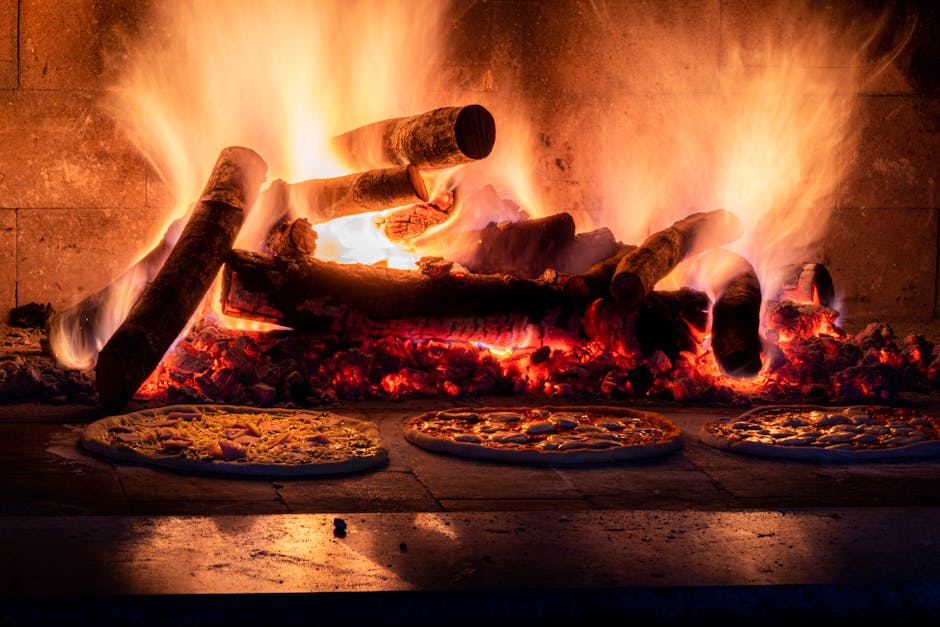
- The pizza must be baked in a wood-fired, dome-shaped oven at approximately 485°C (905°F) for no more than 90 seconds
- The final product should have a thin center with a raised, puffy edge known as the “cornicione”
- Toppings must be simple and high-quality, with San Marzano tomatoes and mozzarella di bufala being traditional choices
UNESCO Recognition and Cultural Significance
The cultural importance of Neapolitan pizza-making received international recognition in 2017 when UNESCO added “The Art of Neapolitan Pizzaiuolo” to its Representative List of the Intangible Cultural Heritage of Humanity. This designation acknowledges that pizza-making in Naples is more than just a cooking technique; it represents a cultural practice passed down through generations, involving specific skills, songs, and social rituals.
The UNESCO recognition emphasizes how pizzaioli (pizza makers) perform their craft in a distinctive manner, spinning and tossing the dough in the air while engaging with customers. This theatrical element has become synonymous with pizza-making culture worldwide, though it originated in the pizzerias of Naples.
The Global Spread of Pizza
From its humble Neapolitan origins, pizza spread throughout Italy during the 19th century and eventually reached international shores through Italian immigration. Italian immigrants brought their culinary traditions to countries such as the United States, Argentina, Brazil, and Australia in the late 19th and early 20th centuries.
In the United States, pizza initially remained within Italian immigrant communities but gradually gained wider popularity after World War II, when American soldiers returning from Italy brought back a taste for the dish. This led to the development of distinctly American styles, such as New York-style and Chicago deep-dish pizza, which differ significantly from their Neapolitan ancestor.
Preserving Tradition While Embracing Innovation
Today, Naples continues to honor its pizza heritage while the rest of the world experiments with countless variations. Visitors to Naples can still experience authentic Neapolitan pizza at historic establishments like Da Michele, Sorbillo, and Di Matteo, where traditional methods remain unchanged.
The enduring legacy of Neapolitan pizza demonstrates how a simple dish created for working-class citizens has transcended cultural and economic boundaries to become a global phenomenon. While modern interpretations may feature exotic toppings and innovative preparation methods, the heart of pizza culture remains rooted in the streets and pizzerias of Naples, where this culinary treasure first emerged centuries ago.
Understanding pizza’s Neapolitan origins provides appreciation for the craftsmanship and cultural heritage behind what many consider merely a convenient meal. The next time pizza is enjoyed, regardless of style or location, it carries with it the spirit of Naples and centuries of Italian culinary tradition.
