
⏱️ 6 min read
Did You Know? 15 Unusual Festivals Around the World
Across the globe, communities celebrate their heritage, beliefs, and traditions through festivals that range from the sublime to the utterly bizarre. While many people are familiar with mainstream celebrations like Christmas, Diwali, or Chinese New Year, countless unusual festivals occur annually that showcase the incredible diversity of human culture. These unique gatherings often leave outsiders bewildered yet fascinated by their unconventional nature. From throwing tomatoes at strangers to rolling down hills in pursuit of cheese, these 15 unusual festivals demonstrate that when it comes to celebration, human creativity knows no bounds.
1. La Tomatina (Spain)
Held annually in the Valencian town of Buñol, La Tomatina transforms the streets into a massive tomato battlefield. Every last Wednesday of August, approximately 20,000 participants hurl over 100 tons of overripe tomatoes at each other in a chaotic hour-long food fight. The festival began in 1945, though its exact origins remain disputed, with theories ranging from a spontaneous food fight among friends to a protest against local authorities.
2. Hadaka Matsuri (Japan)
Known as the “Naked Festival,” this Japanese celebration sees thousands of men clad only in traditional loincloths compete in the freezing cold. The most famous version occurs at Saidaiji Temple in Okayama, where participants jostle to catch sacred wooden sticks thrown by priests. Touching these sticks is believed to bring good luck and protection from evil spirits for the coming year.
3. Cooper’s Hill Cheese Rolling (England)
This dangerous yet entertaining event takes place annually on Cooper’s Hill in Gloucestershire. Competitors chase a 9-pound wheel of Double Gloucester cheese down an extremely steep hill, reaching speeds of up to 70 miles per hour. The first person to cross the finish line wins the cheese, though injuries are so common that paramedics are always on standby.
4. Lopburi Monkey Festival (Thailand)
In the ancient city of Lopburi, local residents honor their monkey population with an extravagant buffet. More than 600 macaques feast on over four tons of fruits, vegetables, and sweets arranged in towering displays. The festival serves as both a thank-you to the monkeys, who attract tourists year-round, and a nod to the Hindu epic Ramayana, in which the monkey god Hanuman plays a heroic role.
5. Kanamara Matsuri (Japan)
The “Festival of the Steel Phallus” celebrates fertility and features phallic-shaped decorations, candy, and parade floats. Held in Kawasaki, this spring festival has become increasingly popular with international tourists. Originally associated with prostitutes who would pray for protection from sexually transmitted diseases, today it raises money for HIV research while maintaining its provocative traditions.
6. Baby Jumping Festival (Spain)
El Colacho, held in the village of Castrillo de Murcia, involves men dressed as devils jumping over babies born during the previous year. Dating back to 1620, this Catholic festival is believed to cleanse the infants of original sin and protect them from evil spirits. Despite its controversial nature, families continue this tradition with unwavering devotion.
7. Night of the Radishes (Mexico)
Every December 23rd, Oaxaca hosts La Noche de los Rábanos, where artists carve elaborate scenes from oversized radishes. These vegetables, which can grow up to 20 inches long, are sculpted into nativity scenes, historical figures, and fantastical creatures. The competition draws thousands of spectators and has been a Christmas Eve tradition since 1897.
8. Wife Carrying Championship (Finland)
Originating in Sonkajärvi, this competition requires male participants to carry female partners through an obstacle course featuring water hazards and hurdles. The prize is the wife’s weight in beer. The sport has spread internationally, with championships now held in multiple countries. The origins trace back to 19th-century Finnish legends about robbers who stole women from neighboring villages.
9. Boryeong Mud Festival (South Korea)
What began as a marketing campaign for cosmetic products has evolved into a massive celebration attracting millions. Visitors cover themselves in mineral-rich mud from Boryeong’s coastal flats, believed to have therapeutic properties. The festival features mud wrestling, mud sliding, and mud painting, turning the beach into a giant playground for adults and children alike.
10. Underwater Music Festival (United States)
Held in the Florida Keys National Marine Sanctuary, this environmentally conscious festival encourages ocean preservation through music. Divers and snorkelers descend beneath the waves to hear concerts broadcast through underwater speakers. Participants often dress in aquatic-themed costumes and play waterproof instruments, creating a surreal submarine symphony.
11. Holi (India)
While Holi itself is well-known, its exuberant celebration makes it one of the world’s most unusual festivals. Participants throw vibrant colored powders and water at each other, transforming entire communities into kaleidoscopes of color. The “Festival of Colors” celebrates the arrival of spring and the victory of good over evil, breaking down social barriers as everyone becomes equally colorful.
12. Batalla del Vino (Spain)
In Haro, La Rioja, thousands gather annually for a massive wine battle. Armed with water pistols, buckets, and wineskins filled with red wine, participants drench each other in thousands of liters of wine. The tradition dates back to a 13th-century land dispute between neighboring towns and now serves as a messy celebration of the region’s winemaking heritage.
13. Frozen Dead Guy Days (United States)
Nederland, Colorado hosts this quirky festival honoring Bredo Morstoel, a Norwegian man whose cryonically frozen body is stored in a shed above town. The three-day celebration features coffin races, polar plunges, and frozen-themed contests. What started as a strange local story has become an annual celebration of the town’s eccentric spirit.
14. Konaki Sumo (Japan)
This 400-year-old festival involves sumo wrestlers holding babies and attempting to make them cry. According to tradition, a baby’s cry wards off demons and ensures healthy growth. Held at various shrines throughout Japan, priests wearing frightening masks sometimes assist by making faces at the infants. Parents eagerly participate, believing their crying children receive divine blessings.
15. Krampusnacht (Austria and Germany)
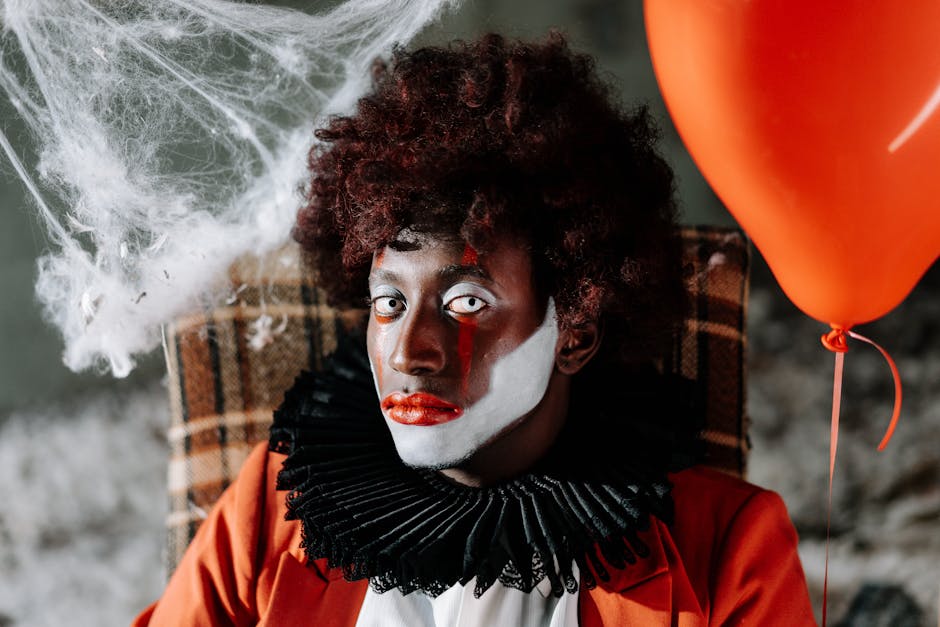
While Santa Claus rewards good children, Krampus punishes the naughty. During Krampusnacht, held on December 5th, people dress as this horned, demonic creature and parade through streets, rattling chains and frightening spectators. The tradition predates Christianity, rooted in Alpine pagan customs, and has experienced a modern revival as young people embrace the darker side of holiday folklore.
Conclusion
These 15 unusual festivals demonstrate humanity’s boundless creativity in celebrating culture, tradition, and community. Whether throwing tomatoes in Spain, jumping over babies for divine protection, or chasing cheese down dangerous hills, these events remind us that celebration takes countless forms across different societies. While outsiders might find these festivals strange or even shocking, each serves important cultural functions—from honoring historical events to reinforcing social bonds and maintaining ancient traditions. They prove that in our diverse world, there are endless ways to gather, celebrate, and create shared memories, no matter how unconventional they might appear to others.
