
⏱️ 6 min read
Did You Know? 15 Fascinating Facts About Coral Reefs
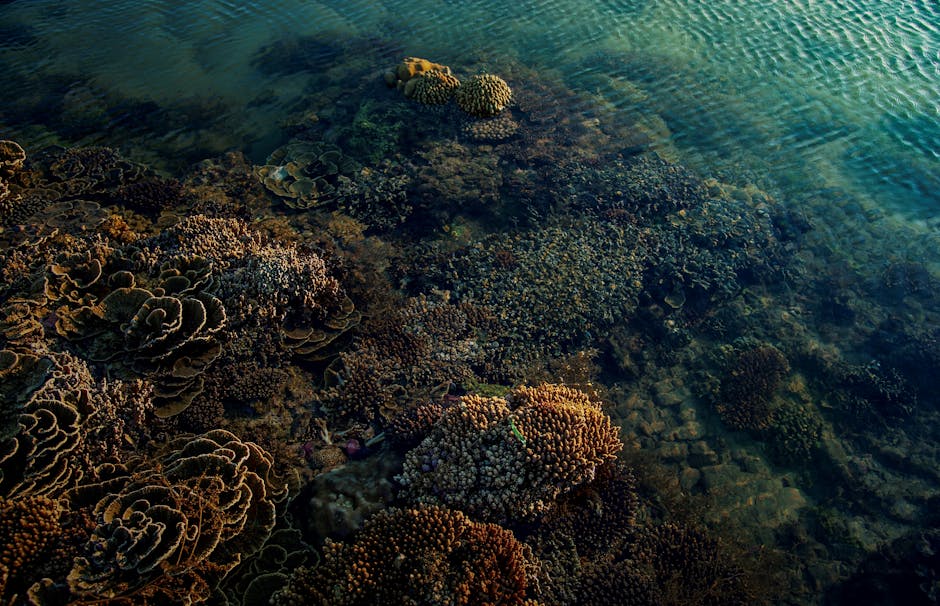
Coral reefs are among the most spectacular and vital ecosystems on our planet, often referred to as the “rainforests of the sea.” These underwater wonderlands support an incredible diversity of marine life and provide essential services to both oceanic ecosystems and human populations. Despite covering less than one percent of the ocean floor, coral reefs are home to approximately 25 percent of all marine species. This article explores fifteen remarkable facts about these magnificent natural structures that will deepen your appreciation for their beauty, complexity, and importance.
1. Corals Are Animals, Not Plants
One of the most common misconceptions is that corals are plants or rocks. In reality, corals are marine invertebrates belonging to the class Anthozoa within the phylum Cnidaria. Each coral structure is composed of thousands of tiny individual animals called polyps, which are related to jellyfish and sea anemones. These polyps have a soft body enclosed in a hard calcium carbonate skeleton that they secrete themselves.
2. Coral Reefs Are Ancient Ecosystems
Coral reefs have existed on Earth for approximately 500 million years, making them one of the oldest ecosystems on the planet. While individual coral colonies may live for hundreds or even thousands of years, the reef structures themselves have evolved and adapted through numerous geological periods, surviving multiple mass extinction events throughout Earth’s history.
3. The Great Barrier Reef Is Visible From Space
Australia’s Great Barrier Reef is the world’s largest coral reef system, stretching over 2,300 kilometers along the Queensland coast. This magnificent structure is so massive that it can be seen from outer space, making it the largest living structure on Earth. The reef system comprises approximately 2,900 individual reefs and 900 islands.
4. Coral Reefs Support Over One Million Species
Despite occupying less than 0.1 percent of the ocean’s surface, coral reefs support an estimated one to nine million species of fish, invertebrates, and algae. This incredible biodiversity includes approximately 4,000 species of fish, 800 species of hard corals, and countless other organisms, making reefs some of the most biodiverse ecosystems on the planet, rivaling tropical rainforests in species density.
5. Symbiotic Relationships Are Essential
Most reef-building corals have a symbiotic relationship with microscopic algae called zooxanthellae that live within their tissues. These algae perform photosynthesis and provide up to 90 percent of the coral’s energy needs through the sugars they produce. In return, the coral provides the algae with protection and access to sunlight. This relationship is so vital that without these algae, most corals cannot survive.
6. Coral Reefs Grow Extremely Slowly
The formation of coral reefs is an extraordinarily slow process. Depending on the species and environmental conditions, coral reefs typically grow between 0.3 to 2 centimeters per year for branching corals and even slower for massive coral formations. Some of the large coral structures we see today may have taken thousands of years to develop to their current size.
7. Reefs Protect Coastlines From Erosion
Coral reefs serve as natural barriers that protect coastal communities from the destructive forces of waves, storms, and erosion. They absorb approximately 97 percent of wave energy, reducing the impact on shorelines. This protection becomes increasingly valuable as climate change intensifies storm activity and raises sea levels, potentially saving billions of dollars in coastal damage prevention.
8. Half a Billion People Depend on Coral Reefs
Approximately 500 million people worldwide rely directly on coral reefs for their livelihoods, food security, and coastal protection. These ecosystems support fisheries that provide protein for millions of people, generate billions of dollars in tourism revenue annually, and offer materials for medical research and pharmaceutical development.
9. Corals Reproduce in Multiple Ways
Corals have fascinating reproductive strategies, including both sexual and asexual reproduction. Many species participate in spectacular mass spawning events, where colonies simultaneously release eggs and sperm into the water, often synchronized with lunar cycles. Corals can also reproduce asexually through fragmentation, where broken pieces can develop into new colonies.
10. Coral Bleaching Is a Stress Response
When corals experience environmental stress, particularly elevated water temperatures, they expel their symbiotic zooxanthellae, causing them to turn white in a process called coral bleaching. While bleached corals are still alive, they are severely weakened and more susceptible to disease and death. If conditions improve quickly, corals can recover, but prolonged bleaching events often result in widespread mortality.
11. Deep-Sea Coral Reefs Exist in Cold Waters
Not all coral reefs are found in warm, shallow tropical waters. Deep-sea or cold-water corals thrive in dark, cold environments at depths ranging from 50 to over 3,000 meters. These corals do not rely on symbiotic algae and instead feed entirely on plankton and organic matter. These ecosystems are less studied but equally important for marine biodiversity.
12. Reefs Have Significant Medical Value
Coral reef organisms have provided numerous compounds used in medical treatments and research. Scientists have developed medications for cardiovascular diseases, cancer treatments, and pain relievers from reef organisms. The unique chemical compounds produced by reef species continue to offer promising avenues for developing new pharmaceuticals and medical treatments.
13. Climate Change Poses the Greatest Threat
Climate change represents the most significant threat to coral reefs worldwide. Rising ocean temperatures, ocean acidification, and changing weather patterns are devastating reef systems globally. Scientists estimate that without significant action to reduce greenhouse gas emissions, up to 90 percent of coral reefs could be lost by 2050, representing an unprecedented ecological catastrophe.
14. Some Corals Are Fluorescent
Many coral species exhibit remarkable fluorescence, producing vibrant colors that glow under ultraviolet light. Scientists believe these fluorescent proteins may serve multiple purposes, including protecting corals from excessive sunlight, attracting symbiotic algae, or even acting as a stress response. This phenomenon creates some of the most spectacular underwater displays in nature.
15. Coral Restoration Efforts Are Expanding
In response to global reef decline, scientists and conservation organizations have developed innovative coral restoration techniques. These include coral gardening, where fragments are grown in nurseries before being transplanted onto damaged reefs, and assisted evolution projects that aim to develop heat-resistant coral strains. While these efforts show promise, they must be combined with broader climate action to ensure long-term reef survival.
Conclusion
These fifteen facts illustrate the extraordinary nature of coral reefs and their critical importance to marine ecosystems and human societies. From their ancient origins and remarkable biodiversity to their vital role in coastal protection and medical research, coral reefs represent irreplaceable natural treasures. Understanding these fascinating facts helps us appreciate why protecting and restoring coral reefs must remain a global priority. As these ecosystems face unprecedented threats from climate change and human activities, increased awareness and urgent conservation action are essential to preserve these magnificent underwater worlds for future generations.
