
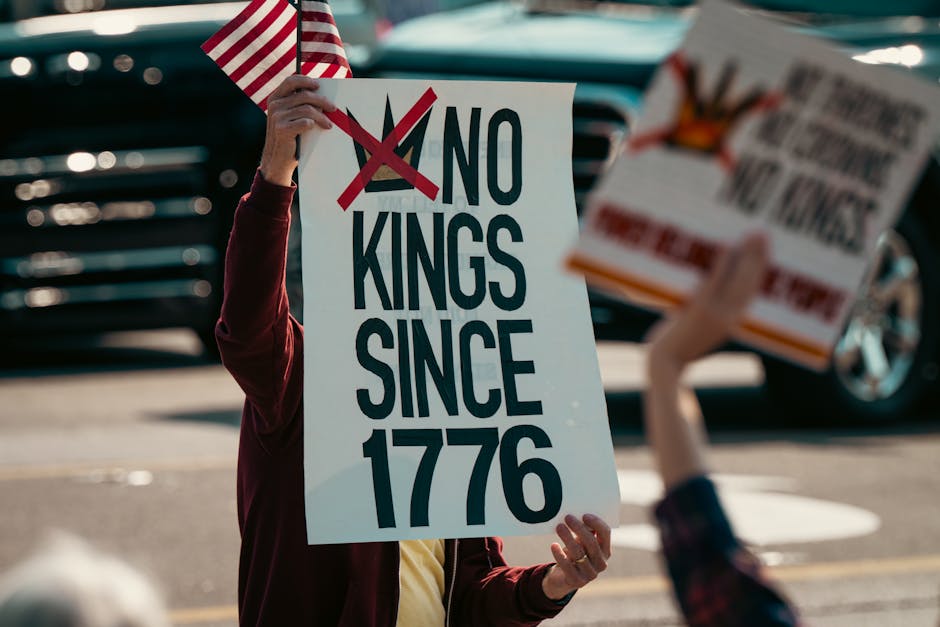
⏱️ 6 min read
Did You Know? 12 Surprising Facts About the American Revolution
The American Revolution stands as one of the most pivotal moments in world history, marking the birth of a new nation and inspiring democratic movements across the globe. While most people are familiar with the basic narrative of colonial resistance, the Declaration of Independence, and the ultimate victory at Yorktown, the Revolutionary War contains numerous fascinating details that often escape common knowledge. These twelve surprising facts reveal a more complex, nuanced, and sometimes stranger picture of this foundational conflict than what typically appears in textbooks.
1. The Majority of Colonists Were Actually Neutral
Contrary to popular belief, the American Revolution was not a united uprising of all colonists against British rule. Historians estimate that only about one-third of colonists actively supported the revolutionary cause, while another third remained loyal to the British Crown. The final third preferred to remain neutral, hoping to avoid the conflict altogether. This divided sentiment created a civil war atmosphere in many communities, with neighbors and even family members finding themselves on opposite sides of the conflict.
2. George Washington’s Teeth Were Not Made of Wood
One of the most persistent myths about George Washington concerns his famous dentures. While Washington did suffer from severe dental problems throughout his life, his false teeth were never made of wood. Instead, his dentures were crafted from a combination of materials including human teeth, animal teeth, ivory, and lead. These uncomfortable appliances caused Washington considerable pain and may have contributed to his stern expression in portraits.
3. France’s Support Was Crucial to American Victory
The American Revolution was far from a solely American achievement. French military and financial support proved absolutely essential to the colonial victory. France provided troops, naval support, military expertise, weapons, and substantial financial loans. The decisive Battle of Yorktown in 1781 succeeded largely because French naval forces prevented British reinforcements from arriving by sea, while French ground troops outnumbered American forces present at the siege.
4. Smallpox Killed More People Than Battle
Disease, particularly smallpox, proved far deadlier than combat during the Revolutionary War. The epidemic ravaged both military camps and civilian populations throughout the conflict. Recognizing this threat, George Washington made the controversial decision to inoculate the Continental Army in 1777, one of the first mass military inoculations in history. This bold public health measure may have been as important to American victory as any military strategy.
5. Many African Americans Fought for the British
Thousands of enslaved African Americans sought freedom by joining the British forces, who promised liberation to those who escaped from patriot masters. The British actively recruited enslaved people, forming several all-Black military units. Estimates suggest that approximately 20,000 enslaved people fled to British lines during the war. This complicated reality challenges simplified narratives about the Revolution being purely a war for freedom and liberty.
6. The War Lasted Much Longer Than Most People Think
While the Declaration of Independence was signed in 1776 and the decisive Battle of Yorktown occurred in 1781, the Revolutionary War officially continued until 1783. Fighting persisted in various forms even after Yorktown, and the Treaty of Paris, which formally ended the war and recognized American independence, was not signed until September 3, 1783. This means the conflict spanned approximately eight years of active warfare.
7. Soldiers Were Often Paid in Worthless Paper Money
The Continental Congress struggled desperately to finance the war effort. Without the power to tax, Congress printed paper money called “Continentals” to pay soldiers and purchase supplies. However, massive overprinting led to severe inflation, and the currency became essentially worthless. This financial crisis gave rise to the phrase “not worth a Continental,” and many Revolutionary War soldiers ended up fighting for years without receiving meaningful compensation.
8. Women Played Active Combat Roles
Although often overlooked, numerous women participated directly in Revolutionary War combat. Some women disguised themselves as men to enlist in military service, while others like Mary Ludwig Hays McCauley (known as “Molly Pitcher”) operated cannons during battle. Margaret Corbin became the first woman to receive a military pension after being wounded while firing cannons at Fort Washington. These women challenged gender conventions and demonstrated remarkable courage under fire.
9. The Liberty Bell Never Rang on July 4, 1776
The iconic Liberty Bell did not ring to announce the Declaration of Independence on July 4, 1776, as popular legend suggests. The Declaration was not publicly proclaimed until July 8, 1776, when it was read aloud in Philadelphia. Furthermore, the famous bell did not receive its name until the 1830s when it was adopted as a symbol by abolitionists. The crack that now defines the bell’s appearance occurred years after the Revolutionary period.
10. Native American Tribes Fought on Both Sides
Various Native American nations participated in the Revolutionary War, choosing sides based on complex political calculations about which alliance would best protect their interests and territories. The Oneida and Tuscarora nations generally supported the American cause, while most Iroquois Confederacy members allied with the British. Regardless of which side they supported, Native American communities suffered devastating consequences, losing territory and autonomy in the war’s aftermath.
11. Benedict Arnold Was Once an American Hero
Before becoming synonymous with treason, Benedict Arnold was one of the Continental Army’s most talented and courageous commanders. He played crucial roles in the capture of Fort Ticonderoga and the victory at Saratoga, one of the war’s most important battles. Arnold’s treasonous attempt to surrender West Point to the British in 1780 resulted from a complex mixture of financial desperation, perceived lack of recognition, and personal grievances, transforming a war hero into America’s most famous traitor.
12. The Revolution Sparked Similar Uprisings Worldwide
The successful American Revolution inspired revolutionary movements across the globe, demonstrating that colonial populations could successfully overthrow imperial rule. The French Revolution of 1789 drew direct inspiration from American ideals and success. Revolutionary movements subsequently emerged in Haiti, Latin America, and throughout Europe. The American experiment in republican government and the principles articulated in the Declaration of Independence influenced political philosophy and reform movements for generations.
Conclusion
These twelve surprising facts reveal that the American Revolution was far more complex, diverse, and consequential than simplified historical narratives often suggest. From the crucial role of foreign allies and the devastating impact of disease to the participation of women, African Americans, and Native Americans, the Revolutionary War involved far more groups and dynamics than typically acknowledged. Understanding these lesser-known aspects provides a richer, more accurate appreciation of this transformative conflict and the complicated circumstances that birthed the United States. The Revolution’s legacy extends far beyond the thirteen colonies, influencing democratic movements and political thought around the world for centuries to come.
