
⏱️ 6 min read
Did You Know? 12 Facts About Ancient Egypt
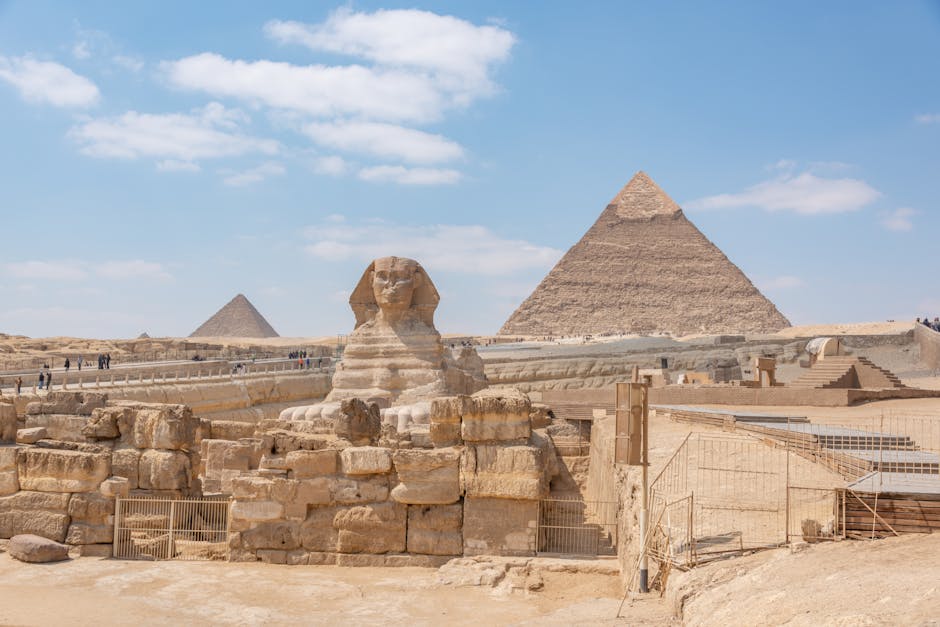
Ancient Egypt stands as one of the most fascinating civilizations in human history, captivating scholars and enthusiasts for thousands of years. From the majestic pyramids that pierce the desert sky to the intricate hieroglyphics that adorn temple walls, this remarkable civilization left an indelible mark on human culture. While many people know about pharaohs and mummies, Ancient Egypt held countless surprising secrets and innovations that continue to astound modern researchers. Here are twelve remarkable facts about Ancient Egypt that reveal the depth, complexity, and ingenuity of this extraordinary civilization.
1. Cleopatra Lived Closer to the Moon Landing Than to the Building of the Great Pyramid
One of the most mind-bending facts about Ancient Egypt concerns the sheer length of its civilization. Cleopatra VII, the famous last pharaoh of Egypt, lived around 30 BCE. The Great Pyramid of Giza was completed around 2560 BCE. This means approximately 2,530 years separated Cleopatra from the pyramid’s construction, while only about 2,000 years separate Cleopatra from the 1969 moon landing. This perspective highlights just how ancient the pyramids were, even to the ancient Egyptians themselves, and underscores the remarkable longevity of Egyptian civilization.
2. Ancient Egyptians Invented One of the Earliest Forms of Writing
Hieroglyphics, the iconic writing system of Ancient Egypt, emerged around 3200 BCE, making it one of the oldest writing systems in the world. This complex script combined logographic and alphabetic elements, using over 700 distinct symbols. Hieroglyphics were primarily reserved for religious texts and monumental inscriptions, while hieratic and later demotic scripts were used for everyday purposes. The Rosetta Stone, discovered in 1799, finally provided the key to deciphering this ancient language after centuries of mystery.
3. Both Men and Women Wore Makeup
In Ancient Egypt, cosmetics transcended gender boundaries. Both men and women wore elaborate eye makeup, particularly kohl, which created the distinctive almond-shaped eye look seen in Egyptian art. This wasn’t merely for aesthetic purposes; the makeup served practical functions as well. The lead-based cosmetics helped reduce glare from the intense desert sun and provided protection against eye infections. Green malachite and black galena were ground into powder and mixed with oils to create these ancient cosmetics.
4. The Ancient Egyptians Were Pioneering Dentists
Dental problems plagued Ancient Egyptians, largely due to sand and grit that contaminated their bread. However, they developed surprisingly advanced dental practices to address these issues. Archaeological evidence shows that Ancient Egyptians performed dental procedures including filling cavities and even creating primitive dental bridges. Hesy-Ra, who lived around 2600 BCE, is considered the first known dentist in history and held the title “Chief of Dentists and Physicians.”
5. Cats Were Sacred Animals
The Ancient Egyptians’ reverence for cats went far beyond simple pet ownership. Cats were associated with the goddess Bastet and were considered sacred animals deserving of protection and worship. Killing a cat, even accidentally, could result in the death penalty. When a household cat died, family members would shave their eyebrows in mourning. Cats were so valued that they were often mummified and buried in special cat cemeteries, with thousands of mummified cats discovered by archaeologists.
6. They Invented the 365-Day Calendar
Ancient Egyptians developed one of the first solar calendars around 4000 BCE, establishing a year of 365 days divided into twelve months of thirty days each, plus five extra days at the year’s end. This calendar was based on the annual flooding of the Nile River and the appearance of the star Sirius. While not perfectly accurate by modern standards, it represented a remarkable achievement in astronomy and mathematics, and it formed the basis for the Julian and later Gregorian calendars used today.
7. The Great Pyramid Was the Tallest Structure for Nearly 4,000 Years
Standing at 481 feet tall when completed, the Great Pyramid of Giza held the record as the world’s tallest man-made structure for approximately 3,800 years. This record remained unbroken until the completion of England’s Lincoln Cathedral in 1311 CE. The pyramid’s construction involved approximately 2.3 million stone blocks, each weighing between 2.5 and 15 tons. The precision of its construction remains remarkable, with the base being level to within just 2.1 centimeters.
8. Ancient Egyptian Workers Had Labor Rights
Contrary to popular belief that slaves built the pyramids, evidence suggests that skilled workers constructed these monuments and enjoyed various labor rights. Records from the village of Deir el-Medina reveal that workers received wages, had the right to strike, and enjoyed days off. In fact, the first recorded labor strike in history occurred in Egypt around 1152 BCE when workers building the Royal Necropolis protested delayed payments by refusing to work.
9. They Practiced Advanced Medicine and Surgery
Ancient Egyptian physicians were highly skilled and specialized in different areas of medicine, much like modern doctors. They performed complex surgeries, set broken bones, and treated various ailments using a combination of practical medicine and magical spells. The Edwin Smith Papyrus, dating to around 1600 BCE, describes 48 surgical cases and demonstrates sophisticated knowledge of anatomy, including the recognition that the heart pumped blood through vessels throughout the body.
10. Board Games Were Popular Entertainment
Ancient Egyptians enjoyed leisure time playing board games, with Senet being the most popular. This game of strategy and luck dates back to around 3100 BCE, making it one of the oldest known board games in the world. Senet boards have been found in tombs, including that of Tutankhamun, suggesting the game had religious significance and was believed to be played in the afterlife. Another popular game was Mehen, played on a circular board shaped like a coiled snake.
11. Women Had Remarkable Rights and Status
Compared to many ancient civilizations, Egyptian women enjoyed considerable legal rights and social freedoms. Women could own property, conduct business, serve as witnesses in court, and initiate divorce proceedings. They could become doctors, priestesses, and even pharaohs, as demonstrated by rulers like Hatshepsut and Cleopatra. Women from all social classes had legal protection and could inherit wealth equally with their brothers, a progressive stance for the ancient world.
12. They Created the First Peace Treaty
The Treaty of Kadesh, signed around 1259 BCE between Egyptian Pharaoh Ramesses II and Hittite King Hattusili III, is the earliest known peace treaty in history. This diplomatic agreement ended decades of conflict between the two superpowers over control of Syria. The treaty established terms of peace, mutual defense, and extradition of refugees. Remarkably, copies of this ancient agreement still exist today, with a replica displayed at the United Nations headquarters in New York.
Conclusion
These twelve facts merely scratch the surface of Ancient Egypt’s rich and complex civilization that flourished for over three millennia. From their groundbreaking innovations in writing, mathematics, and medicine to their progressive social structures and diplomatic achievements, the Ancient Egyptians established foundations that continue to influence modern society. Their architectural marvels still inspire awe, their artistic legacy remains influential, and their contributions to human knowledge and culture endure. Understanding these fascinating aspects of Ancient Egypt not only illuminates the past but also reminds us of humanity’s capacity for innovation, organization, and cultural achievement. The legacy of the pharaohs, scribes, workers, and ordinary citizens of Ancient Egypt continues to captivate and educate, proving that some civilizations truly achieve a form of immortality through their enduring impact on human history.
