
⏱️ 5 min read
Did You Know? 12 Amazing Facts About Animal Intelligence
The animal kingdom never ceases to amaze us with displays of remarkable intelligence that challenge our understanding of cognition, problem-solving, and emotional depth. From the vast oceans to dense forests, creatures great and small demonstrate mental capabilities that rival and sometimes surpass our expectations. This exploration reveals twelve fascinating facts about animal intelligence that illuminate the diverse ways different species perceive, learn, and interact with their environments.
1. Crows Can Create and Use Complex Tools
New Caledonian crows demonstrate extraordinary tool-making abilities that were once thought to be exclusively human. These birds craft sophisticated hooks from twigs and leaves to extract insects from tree bark. Research has shown that crows can plan several steps ahead, modify tools for specific tasks, and even pass their knowledge to younger generations. Some individuals have been observed bending wire into hooks to retrieve food from containers, showcasing abstract reasoning abilities.
2. Octopuses Possess Distributed Intelligence
The octopus brain operates differently from vertebrate brains, with two-thirds of its neurons distributed throughout its eight arms. This decentralized nervous system allows each arm to operate semi-independently while solving problems. Octopuses can navigate mazes, open childproof containers, and recognize individual human faces. They’ve been documented escaping from aquarium tanks, traveling across dry land to other tanks, and returning before morning, demonstrating remarkable planning and spatial awareness.
3. Elephants Display Self-Awareness and Empathy
Elephants are among the few animals that can recognize themselves in mirrors, indicating self-awareness and consciousness. These gentle giants demonstrate profound empathy, mourning their dead with rituals that include touching bones with their trunks and standing vigil. They work cooperatively to solve problems, understand pointing gestures from humans, and can distinguish between different human languages, associating certain languages with danger based on past experiences.
4. Dolphins Have Individual Names
Bottlenose dolphins develop unique signature whistles that function as names, which they use throughout their lives. Research has revealed that dolphins respond to their own signature whistle even when produced by other dolphins, and they remember the whistles of companions they haven’t seen for over twenty years. This sophisticated communication system demonstrates abstract thinking and long-term memory comparable to humans.
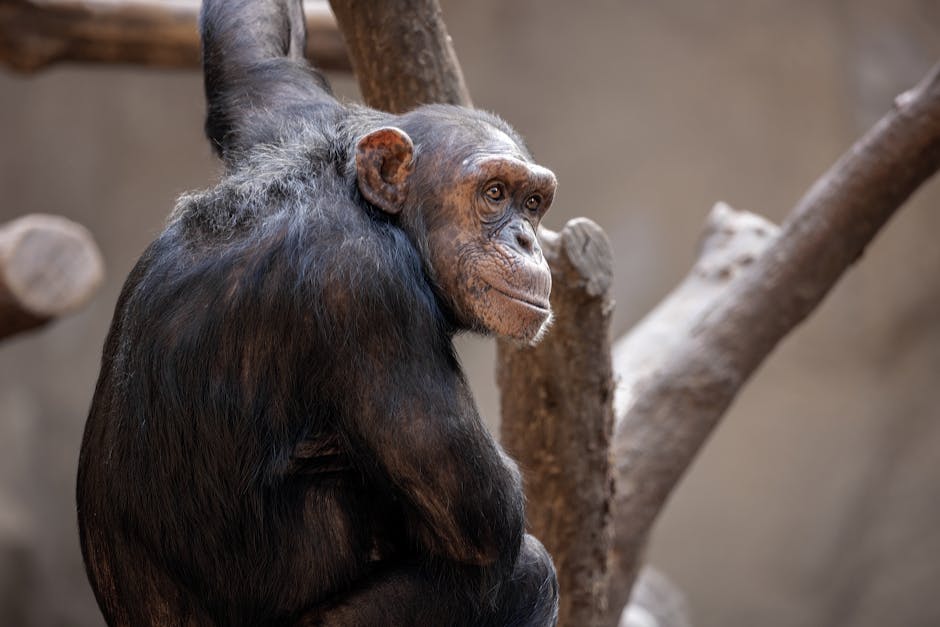
5. Chimpanzees Outperform Humans in Specific Memory Tasks
Young chimpanzees possess photographic memory abilities that surpass human capabilities in certain tests. In studies involving briefly displayed numbers on screens, chimps could memorize and recall the positions and sequences faster and more accurately than adult humans. This extraordinary working memory likely evolved to help them quickly assess complex forest environments and remember the locations of food sources.
6. Border Collies Can Learn Over 1,000 Words
The cognitive abilities of Border collies rival those of young children in vocabulary comprehension. The most famous example, a dog named Chaser, learned the names of 1,022 distinct toys and could retrieve them on command. These dogs can also understand sentences with multiple elements of grammar, categorize objects, and learn through inference, demonstrating linguistic intelligence that extends beyond simple command recognition.
7. Rats Display Empathy and Altruism
Laboratory studies have revealed that rats possess empathy-driven behavior, willingly helping trapped companions even when no reward is offered. In experiments, rats consistently freed trapped cage mates before accessing chocolate chips, and when they did eat, they saved some for their freed friends. This demonstrates that rodents can experience empathy and act altruistically, traits once considered uniquely human or primate characteristics.
8. Alex the Parrot Understood Abstract Concepts
African grey parrots, particularly the famous Alex studied by scientist Irene Pepperberg, demonstrate understanding of abstract concepts including colors, shapes, numbers, and even zero. Alex could answer questions about objects, identify similarities and differences, and express desires. His cognitive abilities were compared to those of a five-year-old child, proving that avian intelligence operates at levels previously unimagined.
9. Bees Communicate Through Sophisticated Dance
Honeybees perform elaborate “waggle dances” to communicate the precise location of food sources to their hive mates. The angle and duration of the dance convey direction and distance with remarkable accuracy. Recent research shows bees can also make collective decisions, weighing multiple options and reaching consensus about new hive locations through a democratic process that mirrors human deliberation.
10. Pigs Rival Dogs in Cognitive Ability
Pigs demonstrate intelligence comparable to dogs and three-year-old children. They can play video games using joysticks, understand mirror reflections to locate hidden food, and live in complex social hierarchies requiring significant social intelligence. Pigs show emotional contagion, experiencing stress when observing other pigs in distress, and they can deceive other pigs to protect food sources they’ve discovered.
11. Squirrels Practice Tactical Deception
Gray squirrels engage in sophisticated deceptive behavior to protect their food caches from thieves. When they sense being watched, squirrels create fake burial sites, pretending to hide food while actually keeping it in their mouths. They then move to hidden locations to bury their actual provisions. This Machiavellian intelligence requires understanding that other animals have different perspectives and can be misled.
12. Orcas Have Cultural Traditions
Killer whales possess distinct cultural groups with unique hunting techniques, vocalizations, and social behaviors passed down through generations. Different orca pods have developed specialized hunting strategies suited to their environments, from wave-washing seals off ice floes to coordinating herring roundups. These learned behaviors, maintained across generations through teaching, represent genuine animal cultures with regional dialects and traditions.
Conclusion
These twelve remarkable examples of animal intelligence reveal that cognitive sophistication exists throughout the animal kingdom in diverse and unexpected forms. From tool-making birds to empathetic rodents, from self-aware elephants to culturally sophisticated whales, animals continually challenge our assumptions about consciousness, emotion, and reasoning. As research continues to unveil the mental capabilities of various species, we gain not only scientific knowledge but also a deeper appreciation for the rich inner lives of the creatures sharing our planet. Understanding animal intelligence encourages us to reconsider our relationship with the natural world and recognize that humans are not alone in possessing complex minds capable of remarkable feats.
