
⏱️ 5 min read
Did You Know? 12 Amazing Desert Facts
Deserts are among Earth’s most fascinating and misunderstood ecosystems. Often perceived as barren wastelands devoid of life, these remarkable environments actually teem with unique adaptations, surprising phenomena, and extraordinary biodiversity. Covering approximately one-third of our planet’s land surface, deserts play crucial roles in global climate systems and harbor secrets that continue to astound scientists and nature enthusiasts alike. The following twelve amazing facts reveal the hidden wonders of these seemingly inhospitable landscapes.
1. Not All Deserts Are Hot
Contrary to popular belief, deserts are not defined by temperature but by precipitation levels. A desert is technically any region receiving less than 10 inches (25 centimeters) of rainfall annually. Antarctica, Earth’s largest desert, experiences frigid temperatures year-round, while the Gobi Desert in Asia faces scorching summers and freezing winters. This classification means that some of the coldest places on Earth qualify as deserts, challenging our conventional understanding of these ecosystems.
2. The Sahara Desert Was Once Green
The world’s largest hot desert underwent a dramatic transformation approximately 5,000 to 10,000 years ago. During the African Humid Period, the Sahara supported lush vegetation, lakes, and rivers. Ancient rock art throughout the region depicts hippopotamuses, crocodiles, and giraffes, providing evidence of this verdant past. Climate shifts caused by changes in Earth’s orbital tilt gradually transformed this thriving ecosystem into the arid landscape observed today.
3. Desert Sand Dunes Sing
In certain desert locations worldwide, sand dunes produce mysterious humming, booming, or roaring sounds. These sonic phenomena, known as “singing sands” or “booming dunes,” occur when sand grains of specific sizes and shapes cascade down dune slopes. The friction between grains creates synchronized vibrations that resonate through the dune structure, generating sounds ranging from low hums to loud roars audible from miles away. Scientists continue studying this fascinating acoustic behavior to fully understand its underlying mechanisms.
4. Deserts Are Expanding
Desertification, the process by which fertile land becomes desert, currently threatens millions of acres globally. Climate change, deforestation, overgrazing, and unsustainable agricultural practices accelerate this expansion. The Sahara Desert alone has grown approximately 10 percent larger since 1920. This expansion poses significant challenges for human populations, wildlife habitats, and agricultural productivity in affected regions, making desertification one of the most pressing environmental concerns of our time.
5. The Atacama Desert Receives Almost No Rainfall
Chile’s Atacama Desert holds the distinction of being Earth’s driest non-polar desert. Some weather stations in this region have never recorded rainfall, and certain areas reportedly experienced no precipitation for over 400 years until a rare rainstorm occurred. Despite these extreme conditions, specialized microorganisms and hardy plant species have adapted to survive using moisture from coastal fog, demonstrating life’s remarkable resilience.
6. Desert Plants Store Water in Ingenious Ways
Desert flora has evolved extraordinary adaptations for water conservation. The iconic saguaro cactus can absorb up to 200 gallons of water during a single rainstorm, storing it in its accordion-like pleated stem that expands to accommodate the liquid. Baobab trees in African deserts store thousands of gallons in their massive trunks. These remarkable storage capabilities enable desert plants to survive months or even years between rainfall events.
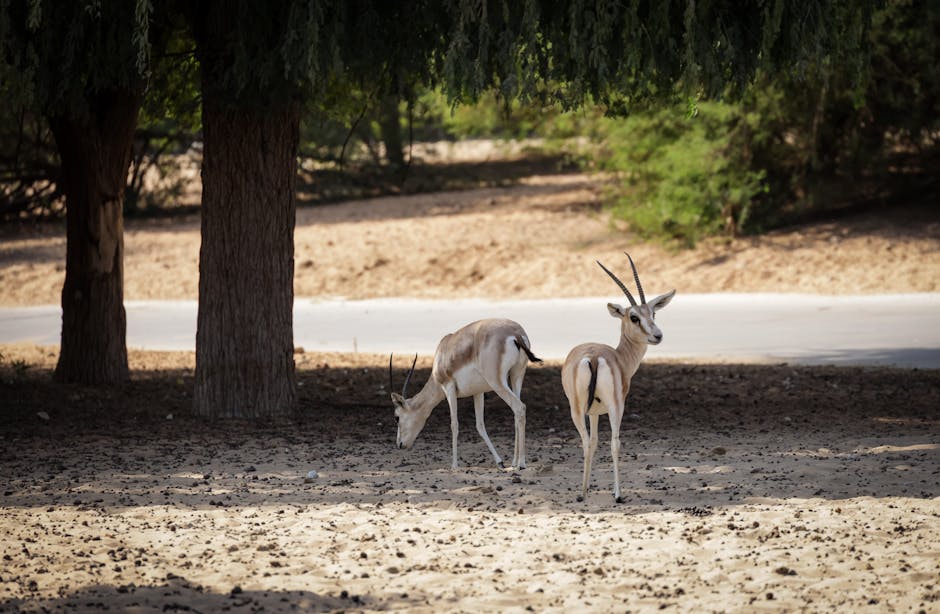
7. Desert Animals Have Extreme Survival Adaptations
Desert wildlife displays some of nature’s most impressive survival mechanisms. The kangaroo rat never needs to drink water, obtaining all necessary moisture from seeds it consumes. Fennec foxes possess enormous ears that dissipate heat and detect prey beneath the sand. Camels can drink 30 gallons of water in 13 minutes and withstand body temperature fluctuations that would be fatal to most mammals. These adaptations showcase evolution’s creative solutions to environmental challenges.
8. Deserts Experience Extreme Temperature Fluctuations
Desert environments undergo dramatic temperature swings between day and night. The absence of cloud cover and moisture allows heat to escape rapidly after sunset, causing temperatures to plummet. In some deserts, daytime temperatures exceeding 120°F (49°C) can drop to near freezing overnight. This extreme variation creates unique challenges for both plant and animal life, requiring specialized physiological adaptations to survive.
9. Ancient Underground Water Reserves Lie Beneath Deserts
Vast aquifers containing water from ancient rainfall exist beneath many desert regions. The Nubian Sandstone Aquifer System beneath the Sahara Desert contains an estimated 150,000 cubic kilometers of groundwater, accumulated over thousands of years when the region experienced wetter climates. These fossil water reserves provide crucial resources for desert communities but are non-renewable on human timescales, raising sustainability concerns about their exploitation.
10. Deserts Harbor Unexpected Biodiversity
Despite harsh conditions, deserts support surprising biological diversity. The Sonoran Desert alone hosts over 2,000 plant species, 550 vertebrate species, and countless invertebrates. Many desert organisms are endemic, found nowhere else on Earth. This biodiversity often goes unnoticed because many desert creatures are nocturnal, emerging only during cooler nighttime hours when human observers are typically absent.
11. Desert Soil Crusts Are Living Communities
Biological soil crusts, composed of cyanobacteria, lichens, mosses, and fungi, form living layers across desert surfaces. These crusts prevent erosion, fix nitrogen, improve water retention, and provide essential nutrients for desert ecosystems. Despite their crucial ecological importance, these fragile communities require decades to develop but can be destroyed by a single footstep, making them vulnerable to human disturbance.
12. Deserts Influence Global Climate Patterns
Desert regions play vital roles in Earth’s climate system. Dust storms from the Sahara transport nutrient-rich particles across the Atlantic Ocean, fertilizing Amazon rainforests and Caribbean waters. Desert surface albedo affects global heat reflection and absorption. Additionally, deserts serve as natural laboratories for studying climate change impacts, as their sensitive ecosystems respond rapidly to environmental variations.
Conclusion
These twelve amazing facts merely scratch the surface of desert complexity and wonder. From singing sand dunes to ancient underground oceans, from extreme survival adaptations to critical climate influences, deserts prove far more dynamic and vital than their reputation suggests. Understanding and appreciating these remarkable ecosystems becomes increasingly important as climate change and human activities continue altering desert environments worldwide. By recognizing the intricate beauty and ecological significance of deserts, society can better prioritize their conservation and sustainable management for future generations.
