

















1 / 20 Questions
0 Points

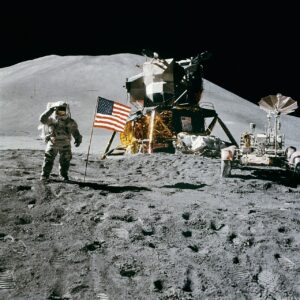
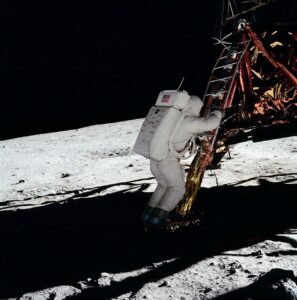
Which year did humans first land on the Moon?

1967

1968

1969

1970

Points won
0
Correct score
0%

More Articles

Top 10 Movie Endings That Sparked Controversy

Top 10 Movie Endings That Sparked Controversy

⏱️ 6 min read

Top 10 Movie Endings That Sparked Controversy

Throughout cinematic history, filmmakers have wielded the power of endings to shock, provoke, and challenge audiences. While most films aim to provide satisfying conclusions, some directors have chosen to end their stories in ways that left viewers divided, outraged, or desperately debating what they just witnessed. These controversial endings have sparked heated discussions in theaters, online forums, and critical circles, often becoming more memorable than the films themselves. Here are ten movie endings that generated significant controversy and continue to polarize audiences to this day.

1. The Mist (2007)

Frank Darabont's adaptation of Stephen King's novella delivered one of the most devastating endings in horror cinema. After escaping a mysterious mist filled with monsters, protagonist David Drayton makes an unthinkable decision to spare his companions from a painful death, only to discover moments later that rescue was imminent. The bleakness and cruel irony of this conclusion shocked audiences who expected a more conventional horror ending. Even Stephen King himself admitted that Darabont's ending was superior to his original version, though many viewers found it unnecessarily nihilistic and emotionally punishing.

2. The Sopranos (2007)

While technically a television series, "The Sopranos" finale sparked such monumental controversy that it deserves mention among cinema's most debated endings. The abrupt cut to black as Tony Soprano sits in a diner with his family left millions of viewers wondering if their cable had cut out. Creator David Chase's ambiguous conclusion prompted intense speculation about whether Tony was killed, and the non-resolution frustrated audiences who had invested years in the series. This ending redefined how stories could conclude without traditional closure.

3. No Country for Old Men (2007)

The Coen Brothers' adaptation of Cormac McCarthy's novel subverted conventional thriller expectations by denying audiences a climactic confrontation between protagonist Llewelyn Moss and antagonist Anton Chigurh. Instead, Moss is killed off-screen, and the film concludes with Sheriff Bell's quiet monologue about a dream. This deliberate rejection of action-movie conventions left many viewers feeling cheated of a satisfying resolution, while others praised the ending's thematic depth and meditation on aging, evil, and the changing American landscape.

4. Inception (2010)

Christopher Nolan's mind-bending thriller concluded with one of cinema's most analyzed images: a spinning top that may or may not topple, indicating whether protagonist Dom Cobb remains in a dream or has returned to reality. The ambiguous final shot sparked endless debates, with audiences scrutinizing every frame for clues. While some appreciated the open-ended nature that allowed personal interpretation, others felt frustrated by Nolan's refusal to provide a definitive answer. The controversy has kept the film relevant in popular culture for over a decade.

5. The Graduate (1967)

Mike Nichols' iconic film ends with Benjamin and Elaine escaping her wedding on a bus, their initial exhilaration gradually fading into uncertain, blank stares. At the time, this ambiguous conclusion was revolutionary, refusing to confirm whether the young lovers would live happily ever after. Contemporary audiences found it unsettling, as it challenged Hollywood's tradition of clear-cut romantic endings. The final scene's shift from triumph to doubt perfectly captured the uncertainty of youth and remains one of cinema's most perfectly executed ambiguous endings.

6. A Clockwork Orange (1971)

Stanley Kubrick's dystopian masterpiece concludes with protagonist Alex, having been "cured" of his aversion therapy, fantasizing about violence once again while declaring, "I was cured, all right." This ending suggests that attempts to eliminate free will and reform criminals through behavioral conditioning are futile. The controversial conclusion, which differed from Anthony Burgess's original novel ending, sparked debates about violence, free will, and the nature of evil. Critics and audiences were divided over whether the film glorified violence or critiqued societal attempts to control human nature.

7. The Italian Job (1969)

The original British heist film ends with a literal cliffhanger: a bus carrying the crew and their stolen gold teeters on the edge of a cliff, with any movement potentially sending everything plummeting into the abyss. Charlie Croker's final line, "Hang on a minute lads, I've got a great idea," is followed by freeze-frame credits. This unresolved ending was both frustrating and brilliant, leaving audiences to debate possible solutions for decades. The lack of closure was particularly bold for a mainstream comedy-caper film of that era.

8. American Psycho (2000)

Mary Harron's adaptation of Bret Easton Ellis's novel concludes with profound ambiguity about whether Patrick Bateman actually committed the murders depicted throughout the film or merely fantasized about them. The discovery that his alleged victims are alive and his confession went unread leaves the reality of events uncertain. This deliberate vagueness frustrated viewers seeking clear answers, while others appreciated the commentary on identity, materialism, and the unreliability of perception in modern society. The ending continues to generate debate about what actually occurred.

9. The Blair Witch Project (1999)

The found-footage horror phenomenon ends with Heather discovering Mike standing in a corner of a decrepit house before the camera drops, leaving their fates ambiguous. For audiences in 1999, many of whom initially believed the film was real, this abrupt and unexplained conclusion was terrifying and infuriating in equal measure. The lack of explanation or traditional horror movie resolution divided viewers, with some praising its realistic, documentary-style ending and others feeling unsatisfied by the absence of clear answers about the Blair Witch's nature or the characters' ultimate fate.

10. Brazil (1985)

Terry Gilliam's dystopian satire famously struggled with studio interference over its bleak ending. The European cut concludes with protagonist Sam Lowry completely lobotomized, having retreated into permanent fantasy while humming "Brazil." Universal Pictures demanded a happier ending for the American release, creating one of cinema's most notorious battles between artistic vision and commercial interests. The controversy extended beyond the film itself to questions about creative control and studio interference. Gilliam's original dark ending ultimately prevailed, but the dispute highlighted the ongoing tension between artistic integrity and marketability.

Conclusion

These ten controversial endings demonstrate that a film's final moments carry immense power to provoke, challenge, and divide audiences. Whether through ambiguity, bleakness, subverted expectations, or deliberate non-resolution, these conclusions refused to provide easy answers or conventional satisfaction. While some viewers found these endings frustrating or unsatisfying, they sparked conversations that extended far beyond the theater, ensuring these films remained culturally relevant. The controversy surrounding these endings ultimately proves that cinema's greatest conclusions are often those brave enough to challenge audience expectations, even at the risk of alienation. They remind us that not all stories need tidy resolutions, and sometimes the most memorable endings are those that refuse to end definitively at all.

Did You Know? 10 Famous YouTubers Who Started from Nothing

Did You Know? 10 Famous YouTubers Who Started from Nothing

⏱️ 6 min read

Did You Know? 10 Famous YouTubers Who Started from Nothing

In the digital age, YouTube has become a platform where ordinary individuals can transform into global celebrities. What many people don't realize is that some of the most successful content creators started with absolutely nothing—no fancy equipment, no connections, and often filming in their bedrooms or basements. These stories of humble beginnings serve as powerful inspiration for aspiring creators worldwide. Here are ten famous YouTubers whose journeys from zero to stardom demonstrate that passion, consistency, and creativity can overcome any obstacle.

1. MrBeast (Jimmy Donaldson)

Before becoming one of YouTube's highest-earning creators, MrBeast spent years creating content that barely anyone watched. Jimmy Donaldson uploaded his first video at age 13 in 2012, and for nearly five years, his videos struggled to gain traction. He would spend hours analyzing successful videos, studying algorithms, and perfecting his craft while his view counts remained in the hundreds. His persistence paid off when he went viral in 2017 with a video counting to 100,000. Today, he's known for his elaborate challenges and philanthropic stunts, with over 200 million subscribers, but his journey required years of dedication with almost no recognition.

2. Emma Chamberlain

Emma Chamberlain revolutionized YouTube's vlogging style from her childhood bedroom in San Carlos, California. Starting in 2017 as a 16-year-old with a simple camera and basic editing software, she had no industry connections or professional training. Her authentic, unfiltered approach to content creation resonated with millions of viewers tired of overly produced videos. Within a year, she went from complete obscurity to becoming one of the platform's most influential creators, eventually landing brand deals, podcast opportunities, and even front-row seats at fashion weeks around the world.

3. PewDiePie (Felix Kjellberg)

The Swedish creator who would become YouTube's most-subscribed individual creator for years started with nothing but a passion for gaming. Felix Kjellberg began uploading videos in 2010 from his small apartment, using a basic computer setup. He dropped out of university to pursue content creation full-time, a decision his parents initially opposed. His early videos featured low-quality recordings of him playing and commenting on horror games. Through consistent uploads and genuine entertainment value, PewDiePie built an empire, proving that personality and dedication matter more than production value.

4. Lilly Singh (Superwoman)

Lilly Singh started her YouTube journey during a period of depression in 2010, creating videos as a therapeutic outlet. With no film experience, professional equipment, or industry connections, she filmed comedic sketches in her parents' house in Toronto. Her relatable content about growing up in an Indian household resonated with millions. From these humble bedroom beginnings, she became the first woman of Indian descent to host a late-night network talk show, wrote bestselling books, and built a multi-million dollar brand.

5. Mark Rober

Although Mark Rober had a successful engineering career at NASA and Apple, his YouTube journey started from scratch in 2011. He began creating science and engineering videos in his garage with basic equipment, initially as a hobby. His early videos received minimal views, and he balanced content creation with his demanding day job for years. His breakthrough came with viral videos like the glitter bomb package thief trap. Today, he's one of the platform's most successful educational creators, but he spent years building his channel with no guarantee of success.

6. Rosanna Pansino

Rosanna Pansino launched her baking channel "Nerdy Nummies" in 2010 from a tiny kitchen with a basic camera setup. As a struggling actress with no culinary training or production experience, she combined her love for baking and nerdy culture. Her early videos were simple, filmed on a budget with minimal editing. Through consistency and creativity, she built the internet's most popular baking show, published bestselling cookbooks, and launched her own baking line—all from what started as a passion project in her apartment.

7. David Dobrik

Before becoming known for his rapid-fire vlogs and celebrity collaborations, David Dobrik was a teenager posting six-second videos on Vine. When Vine shut down in 2017, he transitioned to YouTube with no guaranteed audience. Starting with a simple camera and his friend group in Los Angeles, he developed his signature four-minute-and-twenty-second vlog format. His energetic editing style and genuine friendships attracted millions of subscribers, turning him from an unknown immigrant from Slovakia into one of YouTube's biggest stars.

8. Markiplier (Mark Fischbach)

Markiplier's path to YouTube fame began in 2012 after he dropped out of university to pursue content creation. Starting with budget equipment in Cincinnati, he uploaded gaming videos while working multiple jobs to support himself. His original channel was actually banned due to AdSense issues, forcing him to start completely over. Despite this setback, he rebuilt his audience through persistence and authenticity. Today, he's one of gaming's most beloved personalities, but he spent years grinding with minimal resources and no safety net.

9. Zoella (Zoe Sugg)

British creator Zoella started her YouTube channel in 2009 from her small bedroom in Brighton, filming beauty and lifestyle content with a simple camera. Working as an apprentice at an interior design company, she created videos in her spare time with no professional training or connections in the beauty industry. Her genuine personality and relatable content gradually built a loyal following. She eventually became one of the UK's most influential digital creators, launched successful beauty and book lines, and inspired countless others to start creating.

10. Ryan Higa (Nigahiga)

One of YouTube's original success stories, Ryan Higa started uploading videos in 2006 as a teenager in Hilo, Hawaii. With his friend, he created lip-sync videos using a simple camera, filming in their suburban neighborhood with zero budget. Their comedic timing and creativity caught on, and they began producing elaborate comedy sketches despite having no film training or professional equipment. Ryan became one of the first YouTubers to reach one million subscribers, paving the way for professional content creation when the concept barely existed.

Conclusion

These ten YouTubers prove that success on the platform isn't reserved for those with wealth, connections, or professional training. Each started with nothing but passion, creativity, and an unwavering commitment to their craft. They filmed in bedrooms, garages, and tiny apartments. They used basic equipment and taught themselves editing. Most importantly, they persisted through years of minimal views and little recognition. Their stories remind aspiring creators that the barriers to entry are lower than ever—what matters most is authenticity, consistency, and the courage to start. Whether in gaming, beauty, comedy, or education, these creators transformed YouTube from a simple video platform into a legitimate career path, inspiring millions to pursue their own creative dreams.