









1 / 20 Questions
0 Points

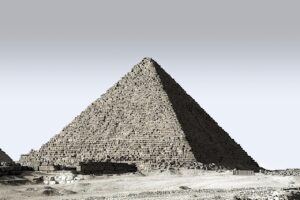
How many major pyramids were built in ancient Egypt?

118

138

108

128

Points won
0
Correct score
0%

More Articles

Top 10 Sci-Fi Shows That Redefined the Genre

Top 10 Sci-Fi Shows That Redefined the Genre

⏱️ 6 min read

Top 10 Sci-Fi Shows That Redefined the Genre

Science fiction television has the unique power to transport viewers beyond the boundaries of reality, exploring complex themes of technology, humanity, and the future. Throughout television history, certain shows have transcended entertainment to become cultural phenomena that fundamentally changed how we perceive and create science fiction. These groundbreaking series introduced innovative storytelling techniques, pushed technical boundaries, and challenged audiences to think differently about the world around them. Here are ten science fiction shows that didn't just entertain—they redefined the entire genre.

1. The Twilight Zone (1959-1964)

Rod Serling's anthology masterpiece set the gold standard for science fiction television. Each standalone episode delivered thought-provoking narratives that blended sci-fi, horror, and social commentary. The show's willingness to tackle controversial topics like racism, war, and human nature through allegorical storytelling created a template that countless series would follow. Its twist endings became legendary, and its influence can be seen in virtually every anthology series that followed. The Twilight Zone proved that science fiction could be both intellectually challenging and commercially successful.

2. Star Trek: The Original Series (1966-1969)

Gene Roddenberry's vision of a utopian future where humanity had overcome its divisions revolutionized science fiction television. Star Trek introduced audiences to a diverse crew working together in harmony, presenting an optimistic vision of the future during a turbulent era. The show's exploration of moral and philosophical questions through alien encounters established science fiction as a vehicle for serious discourse. Its impact extended beyond television, influencing real-world technology development and inspiring generations of scientists, engineers, and astronauts. The franchise it spawned has become one of the most enduring in entertainment history.

3. Doctor Who (1963-Present)

The BBC's time-traveling alien has become the longest-running science fiction series in television history. Doctor Who's innovative concept of regeneration—allowing the main character to transform into a new actor—ensured the show's longevity and created endless storytelling possibilities. The series combined adventure, humor, and heart while exploring complex scientific concepts in accessible ways. Its influence on British popular culture is immeasurable, and its recent revival has introduced the Time Lord to new global audiences, proving that clever writing and imaginative storytelling can overcome limited budgets.

4. The X-Files (1993-2002)

Chris Carter's paranormal investigation series redefined what science fiction could be on network television. The X-Files masterfully blended monster-of-the-week episodes with an intricate mythology arc, creating a template that many modern shows still follow. Its exploration of conspiracy theories, government cover-ups, and the search for truth resonated with audiences during the 1990s and influenced an entire generation's skepticism toward authority. The chemistry between Mulder and Scully, representing belief versus skepticism, became one of television's most iconic partnerships and elevated character development in genre television.

5. Battlestar Galactica (2004-2009)

Ronald D. Moore's reimagining of the 1970s series brought unprecedented dramatic depth and political complexity to science fiction television. The show's exploration of terrorism, religion, artificial intelligence, and what it means to be human resonated powerfully in post-9/11 America. Its documentary-style cinematography and morally ambiguous characters broke away from traditional sci-fi conventions. Battlestar Galactica proved that science fiction could compete with prestige dramas in terms of acting, writing, and production quality, paving the way for more serious genre offerings on television.

6. Black Mirror (2011-Present)

Charlie Brooker's anthology series brought The Twilight Zone's concept into the digital age, exploring the dark implications of technology and social media. Each standalone episode presents a dystopian near-future that feels uncomfortably plausible, forcing viewers to confront how technology shapes human behavior and society. Black Mirror's influence on contemporary science fiction has been profound, popularizing tech-noir storytelling and demonstrating that sci-fi doesn't need spaceships or aliens to be compelling. The show's ability to predict technological trends and their social consequences has made it essential viewing for understanding our relationship with innovation.

7. The Expanse (2015-2022)

This series brought hard science fiction back to television with unprecedented attention to scientific accuracy and political complexity. Set in a colonized solar system, The Expanse explored class warfare, resource scarcity, and geopolitics through a space opera lens. Its commitment to realistic physics and detailed world-building satisfied hardcore sci-fi fans while remaining accessible to general audiences. The show demonstrated that audiences would embrace complex, serialized storytelling that doesn't compromise on scientific plausibility, raising the bar for future space-based science fiction.

8. Westworld (2016-2022)

Jonathan Nolan and Lisa Joy's meditation on artificial intelligence, consciousness, and free will pushed the boundaries of narrative complexity in science fiction television. The show's non-linear storytelling and philosophical depth challenged viewers to question the nature of reality and personhood. Westworld's exploration of AI rights and the ethics of creating conscious beings became increasingly relevant as real-world artificial intelligence advanced. Its cinematic production values and stellar cast demonstrated that science fiction could attract top-tier talent and compete with prestige drama series.

9. Stranger Things (2016-Present)

The Duffer Brothers' nostalgic homage to 1980s sci-fi and horror became a cultural phenomenon that introduced younger audiences to genre conventions. By blending coming-of-age drama with supernatural horror and government conspiracy, Stranger Things created a unique formula that appealed across generations. The show's success on streaming platforms demonstrated the viability of genre content in the digital age and influenced how networks and studios approached science fiction properties. Its impact on popular culture, from fashion to music to Halloween costumes, showed that sci-fi could dominate mainstream conversation.

10. Lost (2004-2010)

While debated in its classification, Lost's blend of science fiction, mystery, and character drama revolutionized serialized television storytelling. The show's complex mythology, time travel elements, and philosophical questions about fate versus free will pushed boundaries for network television. Its innovative use of flashbacks, flash-forwards, and flash-sideways influenced narrative structures across all genres. Lost demonstrated that audiences would commit to deeply complex, long-form storytelling that demanded attention and analysis, paving the way for the "puzzle box" shows that followed.

Conclusion

These ten groundbreaking series each contributed something unique to science fiction television, whether through innovative storytelling techniques, bold thematic exploration, or technical achievement. From The Twilight Zone's allegorical tales to Black Mirror's technological warnings, these shows have expanded the possibilities of what science fiction can achieve on the small screen. They've influenced not only subsequent television shows but also films, literature, and our broader cultural conversations about technology, humanity, and the future. As science fiction continues to evolve, these landmark series remain essential viewing for understanding how the genre has shaped and been shaped by the medium of television.

20 Fun Facts About Game of Thrones

20 Fun Facts About Game of Thrones

⏱️ 6 min read

20 Fun Facts About Game of Thrones

Game of Thrones captivated audiences worldwide for eight seasons, becoming one of the most influential television series in history. Based on George R.R. Martin's "A Song of Ice and Fire" novels, the HBO fantasy epic combined political intrigue, complex characters, and breathtaking production values to create a cultural phenomenon. Behind the dragons, battles, and shocking plot twists lies a treasure trove of fascinating trivia that even dedicated fans might not know. Here are 20 fun facts about the groundbreaking series that changed television forever.

1. The Pilot Episode Was Almost Completely Reshot

The original pilot was so problematic that HBO demanded extensive reshoots. Test audiences were confused about character relationships, particularly not realizing that Jaime and Cersei Lannister were siblings. The role of Catelyn Stark was recast, with Michelle Fairley replacing Jennifer Ehle, and Daenerys was also recast with Emilia Clarke taking over from Tamzin Merchant.

2. The Author Wrote a Character Death to Prevent Spoilers

George R.R. Martin included a specific test question in his contracts with show creators David Benioff and D.B. Weiss. He asked them who they thought Jon Snow's mother was. Their correct answer convinced him they understood the story deeply enough to adapt it faithfully.

3. Real Wolves Were Too Friendly

The production team originally wanted to use real wolves for the direwolves, but discovered they were too domesticated and friendly-looking on camera. Instead, they used Northern Inuit dogs, a crossbreed that more closely resembled wolves and could be properly trained for filming.

4. The Dothraki Language Was Created From Scratch

Linguist David J. Peterson developed the Dothraki language specifically for the show, expanding on the few words Martin included in his books. Peterson created a vocabulary of over 3,000 words with its own grammar rules, making it a functional constructed language similar to Klingon from Star Trek.

5. Cast Members Weren't Allowed to Read Ahead

To maintain secrecy and preserve genuine reactions, actors typically received scripts for only their own scenes and weren't permitted to read future episodes or the source material ahead of their character's storyline. This kept actors surprised by plot developments, including their own character deaths.

6. The Iron Throne Looks Different Than Described

In Martin's books, the Iron Throne is much larger and more menacing, made from thousands of swords and towering asymmetrically. The television version was scaled down for practical filming purposes but still required approximately 200 hours to create and weighs around 350 pounds.

7. Sean Bean Hates Flying

Sean Bean's well-known fear of flying affected production during season one. Rather than fly to remote locations in Northern Ireland, Bean would drive for hours and often arrived on set wearing his costume, including full Ned Stark regalia, having changed before the journey.

8. The Show Employed a "Dialect Coach for Dragons"

Emilia Clarke worked with linguist David Peterson not just for Dothraki but also for High Valyrian, the ancient language she uses to command her dragons. Peterson created the phrase "Dracarys" (meaning "dragonfire") which became one of the show's most iconic words.

9. King's Landing Used Three Different Locations

The capital city was filmed in multiple locations across continents. The exterior shots utilized Dubrovnik, Croatia, the Red Keep interior was filmed in Northern Ireland, and some scenes used locations in Malta during the first season, requiring careful editing to maintain visual consistency.

10. The Battle of the Bastards Took 25 Days to Film

This Emmy-winning episode from season six required 25 days of intense filming, including 10 days dedicated solely to the battle sequences. It featured 500 extras, 160 tons of gravel, 70 horses, and created what many consider one of television's greatest battle scenes.

11. Jason Momoa Performed a Traditional Maori Haka at His Audition

To land the role of Khal Drogo, Jason Momoa performed a traditional Maori war dance during his audition. The intense, passionate performance convinced the showrunners he was perfect for the fierce Dothraki leader, despite having no dialogue prepared.

12. The Show Used 130 Wedding Dresses in One Scene

Daenerys's wedding dress for her marriage to Khal Drogo required extensive work from the costume department. They created and destroyed 130 practice versions before achieving the perfect aged, weathered look appropriate for Dothraki culture.

13. Hodor's Name Origin Was Planned From the Beginning

The heartbreaking revelation of how Hodor got his name was one detail George R.R. Martin told showrunners from the start. Actor Kristian Nairn didn't know the origin story of "Hold the door" until he received the script for that emotional episode.

14. Each Dragon Egg Cost $20,000

The three dragon eggs given to Daenerys Targaryen were genuine props, each handcrafted and painted to achieve their distinctive appearances. Each egg cost approximately $20,000 to create and was considered extremely valuable on set, requiring special security measures.

15. The Show Filmed in 10 Different Countries

Game of Thrones became one of the most widely-filmed television series ever, shooting in Northern Ireland, Malta, Croatia, Iceland, Spain, Morocco, Scotland, and several other countries. This global approach helped create the diverse landscapes of Westeros and Essos.

16. Tyrion Is George R.R. Martin's Favorite Character

The author has stated that Tyrion Lannister is his favorite character to write, which may explain why the character survived until the series finale despite being in constant danger. Peter Dinklage won four Emmy Awards for his portrayal of the complex character.

17. The Show's Budget Increased 15 Times

The first season cost approximately $6 million per episode, while the final season's budget ballooned to around $15 million per episode. The increased budget allowed for more elaborate battle sequences, CGI dragons, and expansive set pieces.

18. Over One Million Viewers Petitioned for a Series Remake

Following the controversial final season, a Change.org petition demanding HBO remake season eight with different writers gathered over 1.7 million signatures, demonstrating the passionate investment viewers had in the story's conclusion.

19. The Night King Required Six Hours of Makeup

Actor Vladimir Furdik, who portrayed the Night King, spent up to six hours in the makeup chair for his transformation. The intricate prosthetics, contact lenses, and detailed makeup made him one of the most time-intensive characters to prepare for filming.

20. Three Deleted Scenes Would Have Changed Everything

Several significant scenes were filmed but never aired, including extended sequences explaining character motivations and backstories. These deleted scenes, some of which appeared on DVD releases, provide additional context that many fans felt was missing from the broadcast versions.

Conclusion

These 20 facts reveal the extraordinary effort, creativity, and complexity behind Game of Thrones' production. From constructed languages and international filming locations to costly props and time-consuming makeup procedures, the show represented a massive undertaking that pushed television production to cinematic levels. The series combined talented performers, dedicated crew members, and substantial financial investment to create something unprecedented in television history. Whether examining the reshot pilot, the intricate costume work, or the show's global filming locations, Game of Thrones demonstrated how modern television could achieve scope and quality previously reserved for major motion pictures. While opinions about the final season remain divided, these behind-the-scenes facts illustrate why the show captivated audiences and dominated cultural conversations for nearly a decade, leaving an indelible mark on television history.