










1 / 10 Questions
0 Points

What hidden message did Atari programmer Warren Robinett secretly embed in Adventure (1980), creating one of gaming's earliest and most famous Easter eggs?

Atari Rules Forever

Press Start to Continue

Created by Warren Robinett

Game Over Man

Points won
0
Correct score
0%

More Articles

Top 10 Most Watched Sports Events Ever

Top 10 Most Watched Sports Events Ever

⏱️ 6 min read

Top 10 Most Watched Sports Events Ever

Sports have an unparalleled ability to unite billions of people across the globe, transcending language barriers, cultural differences, and geographical boundaries. Throughout history, certain sporting events have captured the world's attention like nothing else, drawing unprecedented viewership numbers that demonstrate humanity's collective passion for athletic competition. These mega-events represent the pinnacle of sports broadcasting, where entire nations pause to witness moments of glory, heartbreak, and triumph.

The following list examines the ten most-watched sports events in television history, showcasing the global reach and cultural impact of these extraordinary competitions. These figures include both television viewership and streaming data, reflecting the evolving landscape of sports consumption in the digital age.

1. 2018 FIFA World Cup Final - France vs. Croatia

The 2018 FIFA World Cup Final, held in Moscow's Luzhniki Stadium, attracted an estimated 3.57 billion viewers worldwide, making it the most-watched sporting event in history. France's 4-2 victory over Croatia captivated audiences across every continent, with the match's accessibility through various broadcasting platforms contributing to its record-breaking viewership. The cumulative audience throughout the entire tournament reached an astounding 3.57 billion people, representing more than half of the global population aged four and above.

2. 2016 Summer Olympics - Rio de Janeiro

The Rio Olympics drew a combined television and digital audience of 3.6 billion viewers throughout the two-week sporting extravaganza. The event featured 11,238 athletes competing in 306 events across 28 sports, providing countless memorable moments that attracted viewers from every corner of the globe. The Games' extensive coverage across multiple time zones and platforms ensured that audiences worldwide could witness historic performances, including Usain Bolt's final Olympic appearances and Michael Phelps' record-breaking medal haul.

3. 2014 FIFA World Cup Final - Germany vs. Argentina

Germany's dramatic extra-time victory over Argentina in Brazil attracted an estimated 3.2 billion viewers globally. The final, decided by Mario Götze's 113th-minute goal, became one of the most-watched single sporting events ever broadcast. The match's timing, competitive nature, and the presence of superstars like Lionel Messi contributed to its massive appeal. In the United States alone, the final drew 26.5 million viewers, setting records for soccer viewership in the country.

4. 2012 Summer Olympics - London

The London Olympics reached an estimated 3.6 billion viewers worldwide, with the opening ceremony alone attracting nearly 1 billion viewers. The hometown advantage for British athletes, combined with the historic significance of London hosting its third Olympic Games, created unprecedented interest. The event showcased remarkable performances, including Usain Bolt's sprint dominance and the emergence of new sporting heroes, all broadcast across 5,535 hours of television coverage.

5. 2010 FIFA World Cup Final - Spain vs. Netherlands

Spain's first-ever World Cup triumph, achieved through Andrés Iniesta's extra-time goal against the Netherlands, captivated an estimated 3.2 billion viewers worldwide. The final, held at Soccer City in Johannesburg, South Africa, marked a historic moment as the tournament was hosted on the African continent for the first time. The match's physical intensity and dramatic conclusion kept viewers engaged throughout, with Spain's tiki-taka style of play winning admiration from football enthusiasts globally.

6. 2008 Summer Olympics - Beijing

The Beijing Olympics attracted an estimated cumulative audience of 4.7 billion viewers throughout the Games, though measuring methodologies differ from more recent events. China's first time hosting the Summer Olympics generated enormous domestic interest, with the country's massive population contributing significantly to the viewership numbers. Michael Phelps' pursuit of eight gold medals and Usain Bolt's world-record performances in the sprints provided unforgettable moments that transcended sports.

7. 2006 FIFA World Cup Final - Italy vs. France

The infamous final featuring Zinedine Zidane's headbutt and Italy's subsequent penalty shootout victory attracted an estimated 2 billion viewers worldwide. The match's dramatic narrative, including Zidane's red card in his final professional appearance, created a storyline that captivated both hardcore football fans and casual observers. The controversy and tension surrounding the match ensured sustained viewer engagement throughout the 120 minutes of play and subsequent penalties.

8. 2016 UEFA European Championship Final - Portugal vs. France

Portugal's unexpected victory over host nation France, achieved despite Cristiano Ronaldo's early injury, drew an estimated 600 million viewers globally. The final, held at the Stade de France in Paris, represented Portugal's first major international trophy and provided one of the most emotional moments in European football history. The match's competitive nature and underdog narrative appealed to audiences far beyond traditional football markets.

9. 2019 Cricket World Cup Final - England vs. New Zealand

Widely considered the greatest cricket match ever played, the 2019 Cricket World Cup Final at Lord's Cricket Ground attracted an estimated 1.6 billion viewers, primarily across the Indian subcontinent, United Kingdom, Australia, and New Zealand. The match, decided by the narrowest of margins through a super over after both teams tied in regular play and again in the super over, showcased cricket's dramatic potential and cemented the sport's position as one of the world's most-watched.

10. Super Bowl XLIX - New England Patriots vs. Seattle Seahawks

The 2015 Super Bowl, featuring the Patriots' dramatic goal-line interception to seal victory, attracted 114.4 million viewers in the United States alone, making it the most-watched program in American television history. While its global reach doesn't match FIFA World Cup finals, the Super Bowl's dominance in the American market and growing international interest, particularly through streaming platforms, earns it a place among history's most-watched sporting events. The game's thrilling conclusion and the presence of star players on both teams contributed to its record-breaking domestic audience.

Conclusion

These ten sporting events demonstrate the extraordinary power of athletic competition to capture global attention and unite people across all boundaries. From the universal appeal of the FIFA World Cup to the regional dominance of cricket and American football, these broadcasts represent moments when the world collectively paused to witness sporting history. As technology continues to evolve and streaming platforms expand access to live sports, future events may surpass these viewership records, but the cultural significance and memorable moments from these competitions will endure. These events remind us that sports transcend mere entertainment, serving as shared human experiences that create lasting memories and bring communities together on an unprecedented scale.
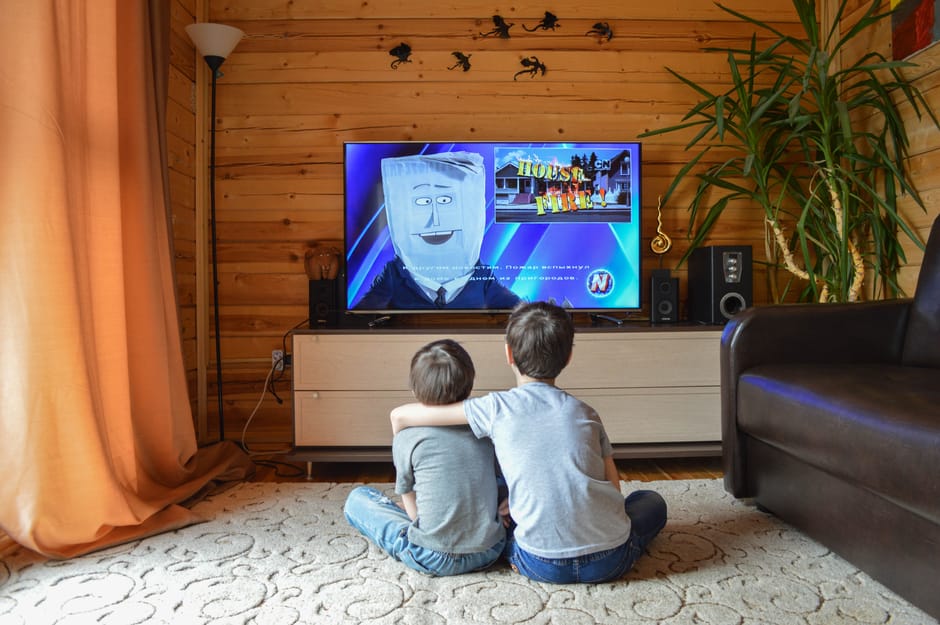

10 Amazing Facts About Animated TV Shows

10 Amazing Facts About Animated TV Shows

⏱️ 6 min read

10 Amazing Facts About Animated TV Shows

Animated television shows have captivated audiences for decades, transcending age barriers and cultural boundaries to become a cornerstone of entertainment worldwide. From groundbreaking techniques to surprising production secrets, the world of animated TV is filled with fascinating stories that even the most devoted fans may not know. This article explores ten remarkable facts about animated television shows that highlight the creativity, innovation, and unexpected complexities behind these beloved programs.

1. The Simpsons Holds the Record for Longest-Running American Animated Series

Since its debut in 1989, "The Simpsons" has become a cultural phenomenon and holds the Guinness World Record as the longest-running American sitcom and animated program in television history. With over 700 episodes spanning more than three decades, the show has featured countless celebrity guest stars, predicted several real-world events, and influenced generations of animators and writers. The show's longevity has made it a training ground for comedy writers, with alumni going on to create other successful series such as "Rick and Morty" and "BoJack Horseman."

2. Voice Actors Often Record Their Lines Separately

Contrary to what many viewers might assume, voice actors in animated shows rarely record their dialogue together in the same studio. Instead, they typically record their lines individually, allowing for greater scheduling flexibility and multiple takes. This practice is industry standard and helps production teams manage busy schedules of high-profile actors. However, some shows like "The Simpsons" and "Bob's Burgers" occasionally bring their cast members together for table reads, which helps create a more cohesive ensemble performance and allows actors to play off each other's energy.

3. South Park Episodes Are Created in Just Six Days

The creators of "South Park," Trey Parker and Matt Stone, have developed a revolutionary production method that allows them to create entire episodes in approximately six days. This incredibly tight schedule enables the show to comment on current events and pop culture moments with unprecedented timeliness. Using sophisticated computer animation software rather than traditional hand-drawn techniques, the team can make last-minute changes and references right up until the air date, giving "South Park" its reputation for being one of the most topical shows on television.

4. Disney's First Animated TV Series Wasn't Mickey Mouse

While Mickey Mouse is Disney's most iconic character, the company's first animated television series was actually "Disneyland," which premiered in 1954. The show served as a promotional vehicle for the upcoming Disneyland theme park and featured a mix of animated and live-action content. The first series to focus primarily on animation was "The Mickey Mouse Club," which debuted in 1955. These early ventures into television helped establish Disney as a dominant force in animated entertainment across multiple platforms.

5. Adult Animation Originated Earlier Than Most People Think

While "The Simpsons" is often credited with launching the modern adult animation genre in prime time, adult-oriented animated content existed much earlier. "The Flintstones," which premiered in 1960, was the first animated series to air in prime time and was originally marketed toward adult audiences, with its sitcom format mimicking live-action shows like "The Honeymooners." The show dealt with mature themes such as marriage, work stress, and financial struggles, paving the way for future adult animated programming.

6. Japanese Anime Influenced Western Animation Significantly

Japanese anime has had a profound impact on Western animated television since the 1960s. Shows like "Astro Boy," "Speed Racer," and later "Dragon Ball Z" and "Sailor Moon" introduced American audiences to different animation styles, storytelling techniques, and narrative structures. This influence can be seen in modern Western animated series such as "Avatar: The Last Airbender," "Samurai Jack," and "Steven Universe," which incorporate anime-inspired visual elements, character designs, and epic story arcs that differ from traditional Western episodic formats.

7. Voice Acting Can Be Physically Demanding

Professional voice acting requires significant physical effort and can be surprisingly taxing on performers. Actors often stand during recording sessions to maximize their vocal projection and range. Characters with distinctive voices, particularly those that are high-pitched, gravelly, or require unusual inflections, can strain vocal cords over time. Voice actors must maintain excellent physical health and often work with vocal coaches to prevent injury. Some actors, like the late Christine Cavanaugh (voice of Chuckie from "Rugrats"), have retired from voice acting partly due to the physical demands of maintaining character voices over many years.

8. Animation Production Timelines Are Extremely Long

Creating an animated television episode is a time-intensive process that typically takes six to twelve months from initial concept to finished product. The production pipeline includes writing, storyboarding, voice recording, animation, coloring, compositing, and sound design. This extended timeline means that animated shows are working on multiple episodes simultaneously at different production stages. Consequently, animated series often complete entire seasons before a single episode airs, making it impossible to incorporate viewer feedback or respond to current events unless production methods are specifically designed for rapid turnaround.

9. Some Characters Were Created by Accident or Last-Minute Decisions

Many beloved animated characters were created through happy accidents or last-minute production decisions. For instance, Homer Simpson's distinctive "D'oh!" catchphrase was originally scripted as "annoyed grunt" in the script, with Dan Castellaneta improvising the sound that became iconic. Similarly, Harley Quinn from "Batman: The Animated Series" was created as a one-off henchwoman for the Joker but became so popular that she was integrated into DC Comics canon and has since become one of the most recognizable characters in the franchise.

10. Animated Shows Generate Significant Merchandise Revenue

While advertising revenue and streaming deals are important, merchandise sales often represent the most substantial income source for animated television shows. Programs like "SpongeBob SquarePants," "Pokémon," and "My Little Pony" generate billions of dollars in merchandise sales annually, far exceeding their direct television revenue. This economic reality influences creative decisions, with characters, designs, and storylines sometimes developed with merchandising potential in mind. The toy industry and animation studios work closely together, and successful merchandise lines can extend a show's lifespan or lead to revival series years after the original run concludes.

Conclusion

These ten fascinating facts reveal the complexity, creativity, and business acumen behind animated television shows. From innovative production techniques and accidental character creations to record-breaking achievements and cross-cultural influences, animated TV represents a unique intersection of art, technology, and commerce. The industry continues to evolve with advances in animation technology, streaming platforms creating new opportunities for diverse content, and audiences demonstrating an ever-growing appetite for animated storytelling. Whether created for children or adults, these shows represent countless hours of creative effort and have shaped popular culture in ways that extend far beyond the screen. Understanding these behind-the-scenes facts deepens appreciation for the animated programs that entertain millions worldwide and highlights the dedication of the talented individuals who bring these colorful worlds to life.