
⏱️ 6 min read
Top 10 Fun Facts About Horror Movies
Horror movies have captivated audiences for over a century, delivering thrills, chills, and unforgettable cinematic moments. Behind the screams and scares lie fascinating stories about production challenges, unexpected inspirations, and bizarre trivia that even dedicated fans might not know. From groundbreaking special effects to surprising casting choices, the horror genre has accumulated a treasure trove of interesting facts throughout its evolution. Here are ten compelling facts about horror movies that reveal the creativity, ingenuity, and sometimes sheer luck that goes into making these terrifying masterpieces.
1. The Exorcist Caused Real Physical Reactions
When “The Exorcist” premiered in 1973, it became the first horror film to be nominated for Best Picture at the Academy Awards, but its impact went far beyond critical acclaim. Theaters reported that audience members fainted, vomited, and fled screenings in terror. Some venues kept paramedics on standby during showings. The film’s director, William Friedkin, used subliminal imagery and unsettling sound design, including recordings of angry bees and pig squeals, to create an atmosphere of profound unease that affected viewers on a visceral level.
2. The Iconic Scream Mask Cost Only Two Dollars
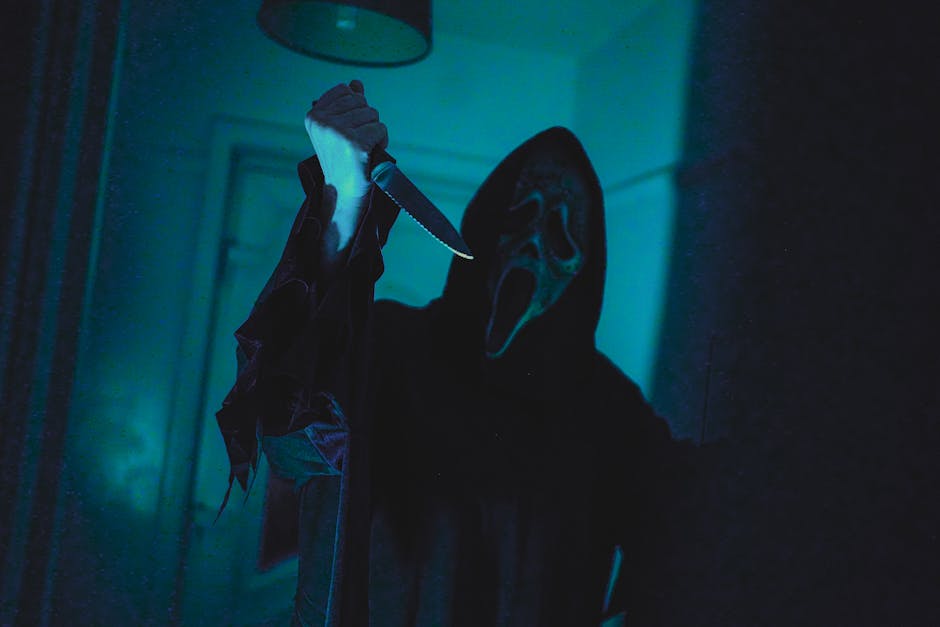
The ghostly white mask worn by the killer in Wes Craven’s “Scream” franchise has become one of horror’s most recognizable images. However, this iconic piece of cinema history started as a cheap Halloween decoration called “The Peanut Eyes Ghost Face” that was discovered by production designer Marianne Maddalena in a house during location scouting. The mask, manufactured by Fun World, cost approximately two dollars. After obtaining the rights to use it, the filmmakers turned this bargain-bin find into a cultural phenomenon worth millions in merchandising.
3. Psycho’s Chocolate Syrup Blood
Alfred Hitchcock’s “Psycho” features one of cinema’s most famous scenes: the shower murder. Because the film was shot in black and white, director Hitchcock and cinematographer John L. Russell used Bosco chocolate syrup instead of stage blood for the iconic sequence. The thick, dark syrup photographed perfectly as blood on camera and was much easier to clean up between takes. This innovative solution demonstrates how technical limitations can lead to creative problem-solving that becomes part of film history.
4. The Texas Chain Saw Massacre Was Inspired by Ed Gein
While “The Texas Chain Saw Massacre” is presented as being based on true events, the 1974 film is actually a work of fiction. However, the character of Leatherface was partially inspired by real-life serial killer Ed Gein, who wore masks made from human skin. Interestingly, Gein also inspired characters in other horror classics, including Norman Bates in “Psycho” and Buffalo Bill in “The Silence of the Lambs.” Director Tobe Hooper combined Gein’s disturbing crimes with completely fictional elements to create his nightmarish vision of rural horror.
5. A Nightmare on Elm Street Featured Johnny Depp’s Film Debut
Before becoming one of Hollywood’s biggest stars, Johnny Depp made his feature film debut in Wes Craven’s “A Nightmare on Elm Street” in 1984. Depp played Glen Lantz, one of Freddy Krueger’s teenage victims who meets a particularly gruesome end involving a bed and a geyser of blood. Depp’s mother actually saw an advertisement for the casting call and encouraged him to audition. Director Wes Craven was reportedly drawn to Depp because he wanted someone who looked like “a typical American teenager,” providing a stark contrast to the monstrous Freddy Krueger.
6. The Blair Witch Project’s Groundbreaking Marketing Campaign
“The Blair Witch Project” revolutionized horror movie marketing in 1999 by creating an elaborate online campaign that blurred the lines between fiction and reality. The filmmakers created a website suggesting the footage was real and the actors were genuinely missing. Many early viewers believed they were watching actual documentary footage of students who had disappeared in the woods. Made for approximately $60,000, the film grossed nearly $250 million worldwide, largely due to this innovative viral marketing strategy that predated social media as we know it today.
7. The Shining’s Impossible Architecture
Stanley Kubrick deliberately designed the Overlook Hotel in “The Shining” with impossible architecture to create a subtle sense of unease. The layout includes windows in rooms that shouldn’t have them based on the building’s exterior, doors that lead nowhere, and hallways that don’t connect logically. Kubrick believed these spatial impossibilities would register subconsciously with viewers, contributing to the film’s dreamlike, unsettling atmosphere. This architectural trickery has been extensively analyzed by film scholars and architecture enthusiasts alike.
8. Jaws’ Mechanical Shark Kept Breaking Down
The mechanical shark used in Steven Spielberg’s “Jaws” was nicknamed “Bruce” after Spielberg’s lawyer, but the temperamental prop caused enormous production problems. The shark frequently malfunctioned due to saltwater damage, forcing Spielberg to shoot around it and suggest the shark’s presence through point-of-view shots, floating barrels, and John Williams’ legendary musical score. These technical difficulties accidentally improved the film, as the unseen threat proved far more terrifying than constantly showing the mechanical shark, demonstrating that sometimes limitations breed brilliance.
9. Poltergeist Used Real Human Skeletons
In one of horror cinema’s most disturbing behind-the-scenes facts, the production of “Poltergeist” used actual human skeletons in the swimming pool scene because they were cheaper to obtain than plastic replicas at the time. Actress JoBeth Williams was reportedly horrified when she discovered she had been swimming with real skeletons. This revelation has fueled longstanding rumors about a “Poltergeist curse,” as several cast members died unexpectedly after the film’s release, though these were likely tragic coincidences rather than supernatural vengeance.
10. Halloween Was Shot in Just 21 Days
John Carpenter’s “Halloween,” which launched the slasher genre and created one of horror’s most enduring villains in Michael Myers, was filmed in just 21 days on a shoestring budget of $300,000. The film was shot in spring in Southern California, so the production crew had to use fake leaves to create the autumn atmosphere. The iconic Michael Myers mask was actually a modified Captain Kirk mask from Star Trek, painted white and altered to create the emotionless, pale face that has terrified audiences since 1978. Despite its low budget and quick production schedule, “Halloween” became one of the most successful independent films ever made, grossing over $70 million and spawning a franchise that continues today.
Conclusion
These ten fascinating facts demonstrate that horror movies are much more than just vehicles for scares—they represent remarkable examples of creativity, innovation, and resourcefulness in filmmaking. From chocolate syrup standing in for blood to mechanical sharks that refused to cooperate, the horror genre has consistently turned limitations into opportunities for innovation. Whether through groundbreaking marketing campaigns, accidental improvements forced by technical failures, or the transformation of two-dollar masks into cultural icons, horror films have left an indelible mark on cinema history. These behind-the-scenes stories add another layer of appreciation for the genre, revealing the human ingenuity and occasional good fortune that combine to create the films that keep audiences sleeping with the lights on.
