
⏱️ 6 min read
Did You Know? 15 Facts About the Amazon Rainforest
The Amazon Rainforest stands as one of the most remarkable natural wonders on our planet, a vast emerald expanse that continues to captivate scientists, environmentalists, and nature enthusiasts alike. Often called the “lungs of the Earth,” this extraordinary ecosystem holds countless secrets and plays a vital role in maintaining global climate stability. From its incredible biodiversity to its indigenous communities, the Amazon is a treasure trove of fascinating information. Here are 15 remarkable facts about this magnificent rainforest that showcase its importance, uniqueness, and the urgent need for its preservation.
1. The Amazon Is Massive Beyond Imagination
The Amazon Rainforest spans approximately 5.5 million square kilometers across nine South American countries, with Brazil containing about 60% of the forest. To put this into perspective, the Amazon is nearly twice the size of India and covers an area larger than the European Union. This immense forest represents over half of the planet’s remaining tropical rainforests, making it an irreplaceable natural resource.
2. Home to Ten Percent of All Species on Earth
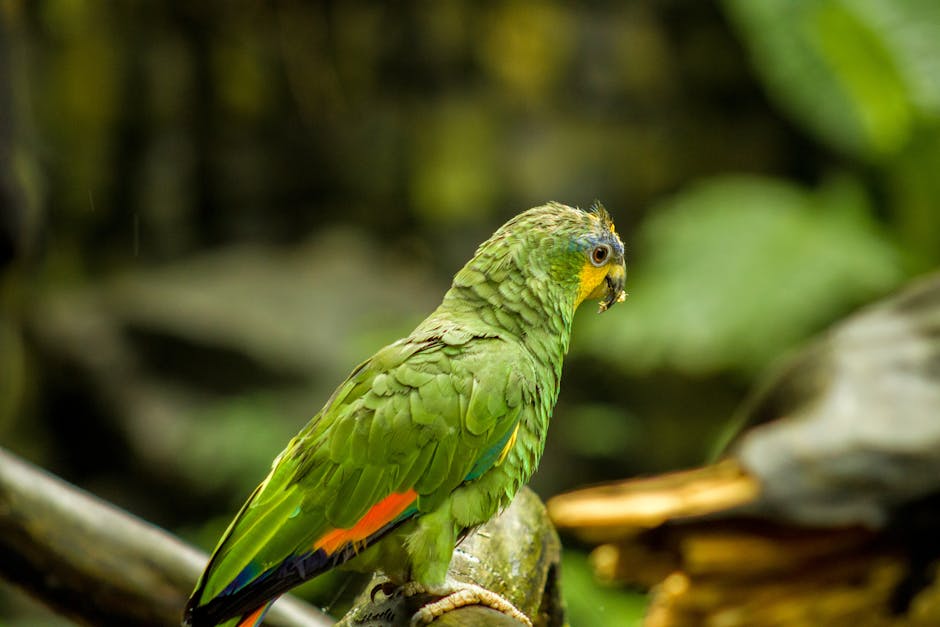
The Amazon harbors an estimated 10% of all known species on the planet. Scientists have identified approximately 40,000 plant species, 1,300 bird species, 3,000 types of fish, 430 mammals, and an astounding 2.5 million different insect species. However, researchers believe countless species remain undiscovered, with new organisms being identified regularly during scientific expeditions.
3. The Amazon River Is a Record-Breaker
The Amazon River, which flows through the rainforest, is the largest river by discharge volume in the world, releasing approximately 209,000 cubic meters of water per second into the Atlantic Ocean. While debate continues about whether it’s the longest river globally, it’s undisputedly the widest, reaching up to 11 kilometers across during the wet season in some areas.
4. It Produces Twenty Percent of the World’s Oxygen
The Amazon Rainforest generates approximately 20% of the oxygen in Earth’s atmosphere through photosynthesis. Its billions of trees and plants absorb carbon dioxide and release oxygen, functioning as a critical component in the global carbon cycle. This vital process has earned the Amazon its well-deserved nickname as the “lungs of the Earth.”
5. Indigenous Communities Have Called It Home for Millennia
The Amazon is home to approximately 400-500 indigenous tribes, with an estimated 50 groups having never made contact with the outside world. These communities possess invaluable knowledge about the forest’s medicinal plants, sustainable living practices, and ecosystem management. Indigenous peoples have inhabited the Amazon for at least 11,000 years, developing sophisticated systems of agriculture and resource management.
6. The Forest Creates Its Own Rain
The Amazon Rainforest generates approximately 50% of its own precipitation through a process called transpiration. Trees release water vapor through their leaves, which rises to form clouds and eventually returns as rainfall. This self-sustaining water cycle is so powerful that it influences weather patterns across South America and beyond.
7. Medicinal Treasures Abound
Twenty-five percent of all pharmaceutical medicines used in Western medicine are derived from rainforest ingredients, yet less than 1% of the Amazon’s plant species have been studied for their medicinal properties. Indigenous communities use approximately 1,300 different forest plants for medicinal purposes, representing an enormous untapped potential for medical discoveries.
8. The Canopy Is a World Unto Itself
The Amazon’s canopy layer, located 30-45 meters above the forest floor, hosts such rich biodiversity that scientists estimate up to 90% of rainforest species live in this elevated ecosystem. The canopy is so dense that when it rains, it can take up to ten minutes for water to reach the ground, creating a unique microclimate beneath.
9. Ancient Civilizations Thrived There
Contrary to earlier beliefs that the Amazon was pristine wilderness, archaeological evidence reveals that sophisticated civilizations once flourished in the region. Researchers have discovered evidence of large settlements, advanced agricultural systems, and earthworks suggesting that millions of people may have lived in the Amazon before European contact in the 16th century.
10. The Pink River Dolphin Lives Here
The Amazon River dolphin, also known as the boto or pink dolphin, is one of only five species of freshwater dolphins in the world. These unique creatures can grow up to 2.5 meters long and display intelligence comparable to their oceanic cousins. Their distinctive pink coloration becomes more pronounced with age and activity level.
11. Deforestation Threatens Its Existence
Approximately 17% of the Amazon Rainforest has been destroyed over the past 50 years, primarily due to cattle ranching, agriculture, logging, and development. Scientists warn that if deforestation reaches 20-25%, the forest may reach a critical tipping point where it can no longer sustain its own water cycle, potentially transforming into savanna.
12. It Regulates Global Climate
The Amazon stores an estimated 150-200 billion tons of carbon in its vegetation and soil. This carbon storage capacity makes the forest crucial in combating climate change. When trees are cut down or burned, this stored carbon is released into the atmosphere as carbon dioxide, contributing to global warming.
13. Unique Seasonal Flooding Patterns
Each year, water levels in the Amazon basin fluctuate by up to 15 meters between wet and dry seasons. This seasonal flooding, called the “flood pulse,” creates distinct ecosystems known as várzea (whitewater floodplains) and igapó (blackwater floodplains), each supporting specialized plant and animal communities adapted to these dynamic conditions.
14. The Harpy Eagle Reigns Supreme
The Amazon is home to the harpy eagle, one of the world’s largest and most powerful raptors. With talons larger than a grizzly bear’s claws and the ability to carry prey weighing up to half their body weight, these magnificent birds serve as apex predators in the canopy ecosystem, hunting monkeys, sloths, and other tree-dwelling animals.
15. It Contains Rivers of Different Colors
The Amazon basin features rivers of distinctly different colors that flow side by side without immediately mixing. The Meeting of Waters near Manaus, Brazil, where the dark Rio Negro and the sandy-colored Amazon River converge, demonstrates this phenomenon. These rivers maintain their distinct appearances for several kilometers due to differences in temperature, speed, and water density.
Conclusion
These 15 facts merely scratch the surface of the Amazon Rainforest’s complexity and importance. This remarkable ecosystem functions as a critical component of Earth’s environmental systems, supporting unparalleled biodiversity, regulating climate patterns, and providing resources that benefit humanity globally. The indigenous knowledge, undiscovered species, and ecological processes within the Amazon represent invaluable assets for current and future generations. As deforestation and climate change continue to threaten this irreplaceable natural wonder, understanding these facts becomes increasingly important. The Amazon’s preservation is not merely a regional concern but a global imperative that requires international cooperation, sustainable practices, and recognition of its fundamental role in maintaining planetary health. Protecting the Amazon Rainforest means safeguarding countless species, preserving indigenous cultures, and ensuring the stability of global climate systems for generations to come.
