
⏱️ 6 min read
Did You Know? 15 Facts About Coral Reefs
Coral reefs are among the most spectacular and biodiverse ecosystems on our planet, yet many people know surprisingly little about these underwater wonders. Often called the “rainforests of the sea,” coral reefs cover less than one percent of the ocean floor but support an astounding twenty-five percent of all marine species. These vibrant underwater cities are not only breathtakingly beautiful but also critical to the health of our oceans and the wellbeing of millions of people worldwide. Here are fifteen fascinating facts about coral reefs that will deepen your appreciation for these remarkable natural structures.
1. Corals Are Animals, Not Plants
Despite their plant-like appearance, corals are actually animals belonging to the phylum Cnidaria, which also includes jellyfish and sea anemones. Each coral structure is composed of thousands of tiny individual polyps that are genetically identical. These soft-bodied organisms secrete calcium carbonate to form hard exoskeletons, which accumulate over time to create the massive reef structures we see today.
2. The Great Barrier Reef Is Visible From Space
The Great Barrier Reef, located off the coast of Queensland, Australia, is the largest living structure on Earth. Stretching over 2,300 kilometers and covering an area of approximately 344,400 square kilometers, this massive reef system is so vast that astronauts can see it from space. It consists of nearly 3,000 individual reef systems and hundreds of islands.
3. Coral Reefs Are Ancient Ecosystems
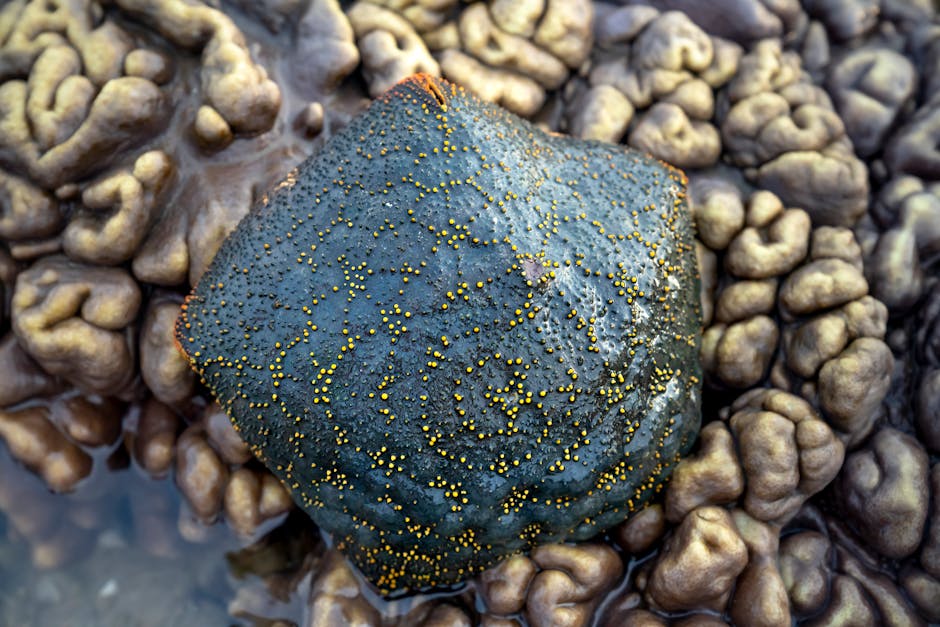
Coral reefs have existed on Earth for approximately 500 million years, making them one of the oldest ecosystems on the planet. However, the coral species we see today are relatively young, having evolved around 25 million years ago. Individual coral colonies can live for centuries, with some brain coral colonies estimated to be over 900 years old.
4. They Support Incredible Biodiversity
Coral reefs are home to more than 4,000 species of fish, 700 species of coral, and thousands of other plant and animal species. This extraordinary biodiversity rivals that of tropical rainforests. Scientists estimate that millions of undiscovered species may still inhabit coral reef ecosystems, particularly in deeper reef areas that have not been thoroughly explored.
5. Coral Reefs Grow Extremely Slowly
Despite their massive size, coral reefs grow at an incredibly slow pace. Depending on the species and environmental conditions, coral reefs typically grow between 0.3 to 2 centimeters per year. This means that the massive reef structures we see today have taken thousands of years to develop, making their conservation all the more critical.
6. Zooxanthellae Provide Corals With Food and Color
The brilliant colors of healthy coral reefs come from microscopic algae called zooxanthellae that live within coral tissues in a symbiotic relationship. These algae use photosynthesis to produce nutrients, providing up to ninety percent of the energy corals need to survive. In return, corals provide the algae with protection and access to sunlight.
7. Coral Reefs Protect Coastlines
Coral reefs serve as natural barriers that protect coastal communities from storms, waves, and erosion. They can reduce wave energy by up to ninety-seven percent, preventing billions of dollars in flood damage annually. Approximately 200 million people worldwide live in areas that benefit from the coastal protection provided by coral reefs.
8. They Are Important for Medicine
Coral reef organisms have provided compounds used in treatments for cancer, arthritis, bacterial infections, heart disease, and other illnesses. Scientists continue to study reef species for potential new medicines, with researchers estimating that coral reef ecosystems may hold cures for diseases that have not yet been discovered.
9. Coral Bleaching Is a Major Threat
When corals experience stress from increased water temperatures, pollution, or other factors, they expel their zooxanthellae, turning white in a process called coral bleaching. While bleached corals are not immediately dead, they are severely weakened and more susceptible to disease. Extended bleaching events can kill entire reef systems.
10. Coral Reefs Support Global Food Security
More than one billion people rely on coral reefs for food and income. Reefs provide spawning, nursery, and feeding grounds for numerous commercial fish species. The annual global economic value of coral reefs is estimated at 375 billion dollars, with fisheries accounting for a significant portion of this value.
11. There Are Different Types of Coral Reefs
Coral reefs are classified into four main types: fringing reefs that grow close to shorelines, barrier reefs separated from land by deeper lagoons, atolls that form circular rings around lagoons, and patch reefs that grow on flat reef platforms. Each type forms under specific geological and environmental conditions.
12. Corals Reproduce in Multiple Ways
Corals can reproduce both sexually and asexually. Many species participate in mass spawning events where millions of coral polyps simultaneously release eggs and sperm into the water. These spectacular events typically occur once per year, often synchronized with moon phases and water temperatures. Corals can also reproduce asexually through budding or fragmentation.
13. Climate Change Is the Greatest Threat
Rising ocean temperatures and ocean acidification caused by climate change pose the most significant threats to coral reefs worldwide. Scientists estimate that seventy to ninety percent of existing coral reefs could disappear by 2050 if current warming trends continue. Ocean acidification makes it harder for corals to build their calcium carbonate skeletons.
14. Deep-Water Coral Reefs Exist
While most people associate coral reefs with shallow, tropical waters, deep-water coral reefs exist in cold, dark ocean depths. These reefs can be found at depths exceeding 6,000 meters and do not rely on photosynthetic zooxanthellae. Instead, they filter-feed on organic matter and plankton in the water column.
15. Coral Restoration Efforts Are Underway
Scientists and conservationists worldwide are developing innovative techniques to restore damaged coral reefs. These include coral gardening, where fragments are grown in nurseries and transplanted to degraded reefs, and assisted evolution programs that breed heat-resistant coral strains. While these efforts show promise, preventing further degradation remains the highest priority.
Conclusion
These fifteen facts barely scratch the surface of the complexity and importance of coral reef ecosystems. From their ancient origins to their critical role in supporting marine biodiversity, protecting coastlines, and providing livelihoods for millions of people, coral reefs are invaluable natural treasures. Understanding these remarkable ecosystems is the first step toward appreciating why their conservation is so crucial. As climate change and human activities continue to threaten coral reefs worldwide, it becomes increasingly important for everyone to recognize their value and support efforts to protect them for future generations. The survival of coral reefs depends on global action to reduce carbon emissions, minimize pollution, and implement sustainable fishing practices, ensuring that these underwater wonders continue to thrive for centuries to come.
