









⏱️ 6 min read
Top 10 Most Endangered Species in 2025
The planet's biodiversity faces an unprecedented crisis as human activities continue to push countless species toward extinction. As we navigate through 2025, conservation organizations worldwide have identified several critically endangered species that stand on the brink of disappearing forever. Understanding which animals are most at risk is crucial for mobilizing conservation efforts and raising public awareness. This article examines ten of the most endangered species in 2025, highlighting the urgent need for immediate action to preserve these remarkable creatures for future generations.
1. Javan Rhino
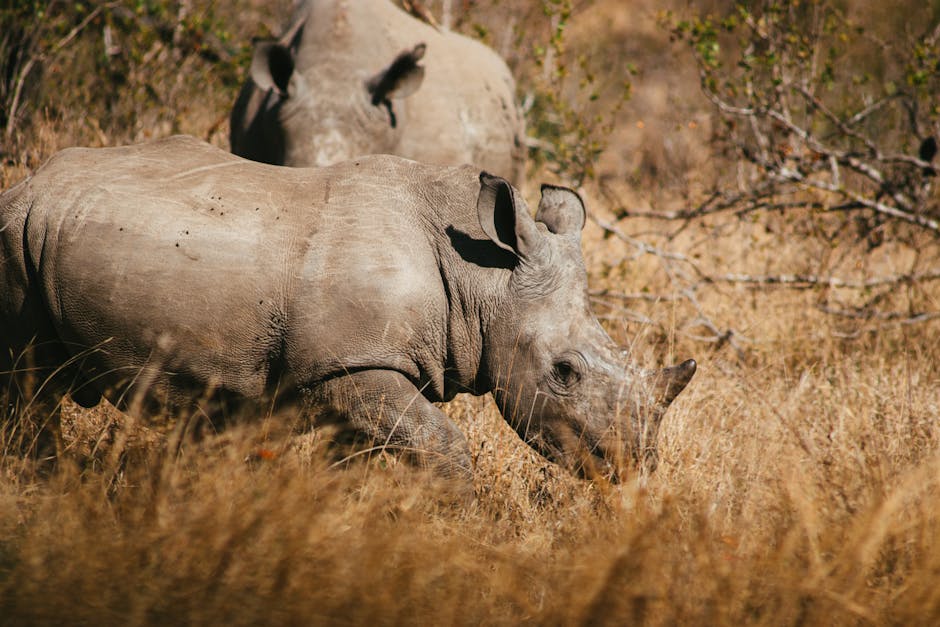
The Javan rhinoceros remains one of the rarest large mammals on Earth, with fewer than 80 individuals surviving in a single population within Ujung Kulon National Park in Indonesia. These solitary creatures once roamed throughout Southeast Asia, but habitat loss and poaching have decimated their numbers. The species faces the constant threat of disease outbreaks and natural disasters, as their entire population exists in one location. Conservation efforts focus on habitat protection and exploring possibilities for establishing a second population to ensure species survival.
2. Amur Leopard
Native to the temperate forests of the Russian Far East and northeastern China, the Amur leopard represents one of the world's most critically endangered big cats. With approximately 100 individuals remaining in the wild, this subspecies has shown slight population recovery thanks to intensive conservation programs. These magnificent leopards face threats from poaching, habitat fragmentation, and prey depletion. Their thick, pale cream-colored coats make them particularly vulnerable to illegal wildlife trade, while human development continues to encroach upon their territory.
3. Vaquita
The vaquita, a small porpoise endemic to the Gulf of California, holds the devastating distinction of being the world's most endangered marine mammal. Current estimates suggest fewer than 10 individuals remain, making their extinction virtually inevitable without immediate intervention. These shy creatures have been driven to the brink primarily by bycatch in illegal gillnets used for fishing totoaba, another endangered species whose swim bladders are highly valued in traditional Chinese medicine. Despite intensive conservation efforts and fishing restrictions, enforcement challenges continue to threaten the vaquita's survival.
4. Sumatran Orangutan
Found exclusively on the Indonesian island of Sumatra, this critically endangered great ape species numbers approximately 14,000 individuals in fragmented forest habitats. Sumatran orangutans face relentless pressure from deforestation driven by palm oil plantations, logging operations, and agricultural expansion. These intelligent primates play vital roles in forest ecosystems as seed dispersers, making their decline particularly concerning for overall biodiversity. Climate change and human-wildlife conflict further complicate conservation efforts, while their slow reproductive rate hampers population recovery.
5. Hawksbill Sea Turtle
The hawksbill sea turtle, recognized by its distinctive narrow, pointed beak and beautiful shell patterns, faces critical endangerment across tropical oceans worldwide. Historical exploitation for their shells, which were used to make tortoiseshell products, reduced populations by over 80 percent during the past century. These marine reptiles continue to struggle with threats including illegal wildlife trade, coastal development destroying nesting beaches, pollution, climate change affecting sand temperatures and sex ratios, and accidental capture in fishing gear. Their crucial role in maintaining healthy coral reef ecosystems makes their conservation particularly important.
6. Saola
Often called the "Asian unicorn" due to its extreme rarity, the saola was only discovered by scientists in 1992 in the Annamite Mountains of Vietnam and Laos. No confirmed sightings in the wild have occurred since 2013, and the total population likely numbers fewer than 100 individuals. This elusive bovine species faces severe threats from habitat loss and hunting, particularly through indiscriminate snaring intended for other animals. The saola's secretive nature and remote habitat make conservation efforts exceptionally challenging, as scientists struggle to study and protect an animal they rarely observe.
7. Sumatran Elephant
The Sumatran elephant, a subspecies smaller than its mainland Asian relatives, faces critical endangerment with fewer than 2,500 individuals remaining. Approximately 70 percent of their habitat has been destroyed within one generation, primarily due to conversion to agricultural plantations and human settlements. These intelligent, social animals increasingly come into conflict with humans as their forest homes shrink, leading to retaliatory killings. Poaching for ivory and capture for the tourism industry further threaten remaining populations, while fragmented habitats prevent genetic diversity necessary for long-term survival.
8. Yangtze Finless Porpoise
China's Yangtze River harbors one of the world's few freshwater porpoise species, with approximately 1,000 individuals surviving in increasingly degraded conditions. Following the functional extinction of the Yangtze River dolphin, the finless porpoise faces similar threats including water pollution, ship traffic, illegal fishing practices, and habitat degradation from dam construction. These intelligent cetaceans serve as indicators of river ecosystem health, and their decline signals broader environmental problems affecting millions of people dependent on the Yangtze. Conservation programs include establishing nature reserves and captive breeding initiatives.
9. Sunda Tiger
The Sunda tiger, formerly known as the Sumatran tiger, represents the last surviving tiger population in Indonesia, with fewer than 400 individuals clinging to existence in fragmented forest patches. Deforestation for pulp and paper production, along with palm oil plantations, continues destroying their habitat at alarming rates. These apex predators face additional threats from poaching driven by illegal wildlife trade and human-tiger conflict as encounters increase due to habitat loss. Their small, isolated populations face genetic bottlenecks that could impact long-term viability even if immediate threats are addressed.
10. Cross River Gorilla
The Cross River gorilla, the world's rarest gorilla subspecies, survives in small populations scattered across the mountainous border region between Nigeria and Cameroon. With approximately 300 individuals remaining, these great apes inhabit fragmented forest patches increasingly isolated by human activity. Hunting, habitat loss from agricultural expansion and logging, and disease transmission from humans pose existential threats. Their shy nature and rugged habitat make studying and protecting them particularly challenging. Conservation efforts focus on creating wildlife corridors to connect isolated populations and working with local communities to reduce human-wildlife conflict.
Conclusion
These ten critically endangered species represent just a fraction of the biodiversity crisis facing our planet in 2025. From the depths of the ocean to tropical rainforests and freshwater rivers, human activities have pushed these remarkable animals to the brink of extinction. Each species plays unique roles in their ecosystems, and their loss would create cascading effects throughout the natural world. While the challenges are immense, successful conservation programs demonstrate that recovery is possible with dedicated effort, adequate funding, and political will. Protecting these endangered species requires global cooperation, sustainable development practices, stronger enforcement of wildlife protection laws, and fundamental changes in how humanity interacts with the natural world. The survival of these ten species—and countless others—depends on actions taken today to preserve the planet's irreplaceable biodiversity for future generations.