













1 / 20 Questions
0 Points

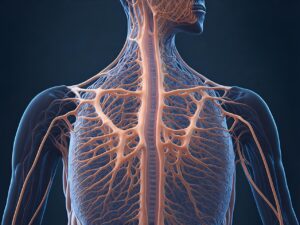
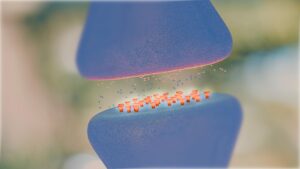
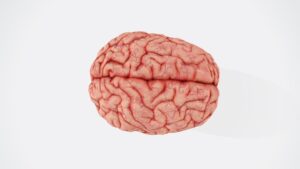
Which part of the nervous system controls 'fight or flight' response?

Somatic

Enteric

Sympathetic

Parasympathetic

Points won
0
Correct score
0%

More Articles

Did You Know? 12 Amazing Facts About Space Exploration

Did You Know? 12 Amazing Facts About Space Exploration

⏱️ 6 min read

Did You Know? 12 Amazing Facts About Space Exploration

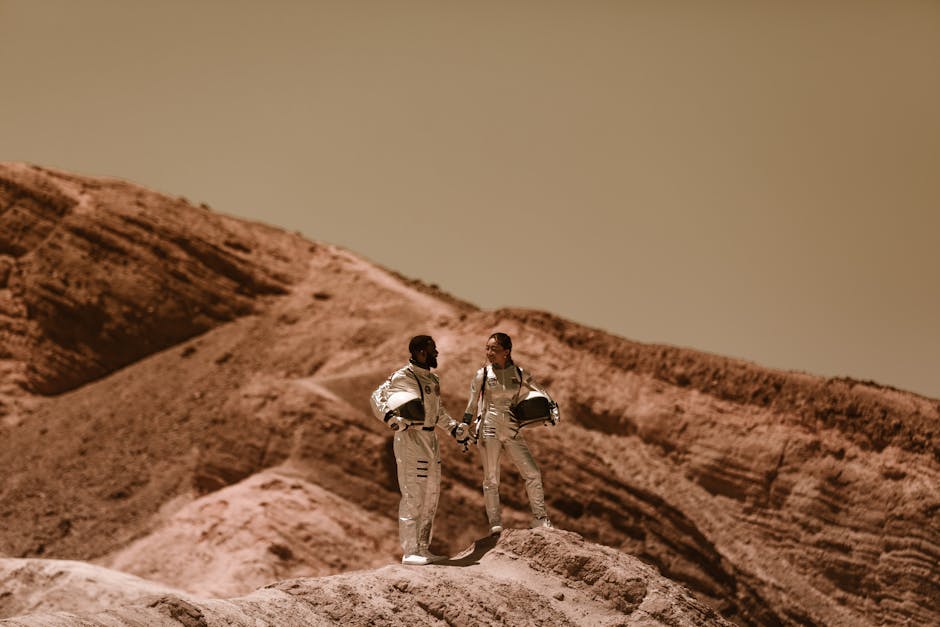
Space exploration has captivated humanity for decades, pushing the boundaries of what we thought possible and revealing the mysteries of the cosmos. From the first satellite launch to plans for Mars colonization, our journey into space has been filled with remarkable achievements and surprising discoveries. Here are twelve amazing facts about space exploration that showcase the ingenuity, perseverance, and curiosity that drive us to explore the final frontier.

1. The First Human-Made Object in Space Was Launched by the Soviet Union

On October 4, 1957, the Soviet Union launched Sputnik 1, the first artificial satellite to orbit Earth. This beach ball-sized sphere, weighing just 83.6 kilograms, transmitted radio signals back to Earth for three weeks before its batteries died. Sputnik 1 remained in orbit for three months before burning up in Earth's atmosphere. This historic launch marked the beginning of the Space Age and sparked the intense space race between the United States and the Soviet Union.

2. Footprints on the Moon Will Last Millions of Years

The footprints left by Apollo astronauts on the lunar surface will remain virtually unchanged for millions of years. Unlike Earth, the Moon has no atmosphere, meaning there is no wind or water erosion to disturb these marks. Only micrometeorite impacts and the effects of solar radiation will gradually alter them over astronomical timescales, making these human impressions some of the longest-lasting artifacts ever created.

3. The International Space Station Travels at 28,000 Kilometers Per Hour

The International Space Station orbits Earth at an astounding speed of approximately 28,000 kilometers per hour, or about 17,500 miles per hour. At this velocity, the ISS completes a full orbit around Earth every 90 minutes, meaning astronauts aboard experience roughly 16 sunrises and sunsets every 24 hours. This incredible speed is necessary to maintain orbit and counteract Earth's gravitational pull.

4. Astronauts Grow Taller in Space

Without the constant pull of gravity compressing their spines, astronauts can grow up to 5 centimeters taller during extended stays in space. The intervertebral discs in the spine expand in the microgravity environment, causing this temporary height increase. However, astronauts return to their normal height shortly after returning to Earth, as gravity once again compresses their spines.

5. More Than 500 People Have Traveled to Space

Since Yuri Gagarin became the first human in space in 1961, more than 500 people from over 40 countries have traveled beyond Earth's atmosphere. This includes astronauts, cosmonauts, and space tourists. The increasing accessibility of space travel, with commercial spaceflight companies entering the field, suggests this number will grow significantly in the coming decades.

6. The Hubble Space Telescope Has Made Over 1.5 Million Observations

Since its launch in 1990, the Hubble Space Telescope has revolutionized our understanding of the universe by making more than 1.5 million observations. It has captured breathtaking images of distant galaxies, nebulae, and planets, helping scientists determine the age of the universe, discover dark energy, and observe the formation of stars. Hubble orbits Earth at an altitude of about 547 kilometers and continues to provide invaluable data to astronomers worldwide.

7. Venus Has Been Visited by More Spacecraft Than Any Other Planet

Surprisingly, Venus, not Mars, holds the record for the most spacecraft visits from Earth. More than 40 spacecraft have explored Venus since the early 1960s, including Soviet Venera missions that successfully landed probes on its hostile surface. Despite surface temperatures hot enough to melt lead and atmospheric pressure 90 times greater than Earth's, these missions have provided crucial information about our neighboring planet.

8. The Longest Single Spaceflight Lasted 437 Days

Russian cosmonaut Valeri Polyakov holds the record for the longest single spaceflight, spending 437 consecutive days aboard the Mir space station from January 1994 to March 1995. This mission provided valuable data about the long-term effects of spaceflight on the human body, information that remains crucial for planning future missions to Mars and other distant destinations.

9. Space Suits Cost Approximately 12 Million Dollars

Modern space suits are marvels of engineering that cost around 12 million dollars each to produce. These complex garments must protect astronauts from extreme temperatures ranging from minus 156 degrees Celsius in shade to 121 degrees Celsius in sunlight, provide oxygen, remove carbon dioxide, maintain pressure, and shield against radiation and micrometeorite impacts. The suits are essentially miniature spacecraft designed for human occupancy.

10. Voyager 1 Is the Most Distant Human-Made Object

Launched in 1977, Voyager 1 is currently more than 23 billion kilometers from Earth, making it the most distant human-made object in existence. It entered interstellar space in 2012, becoming the first spacecraft to leave our solar system. Despite its incredible distance, Voyager 1 still communicates with Earth, though its signals take over 21 hours to reach us. The spacecraft carries a golden record containing sounds and images of Earth, intended for any intelligent life that might encounter it.

11. Space Smells Like Burnt Steak and Hot Metal

Astronauts who have performed spacewalks report that space has a distinctive smell, often described as similar to burnt steak, hot metal, or welding fumes. This odor clings to their space suits and equipment when they return from extravehicular activities. Scientists believe this smell comes from dying stars and the byproducts of high-energy vibrations in particles brought back into the airlock.

12. China Landed on the Far Side of the Moon

In January 2019, China's Chang'e 4 mission achieved a historic first by successfully landing a spacecraft on the far side of the Moon, the hemisphere that never faces Earth. This remarkable achievement required the deployment of a relay satellite to maintain communication with Earth, as direct communication with the far side is impossible. The mission has provided unprecedented insights into this mysterious region of our closest celestial neighbor.

Conclusion

These twelve amazing facts about space exploration demonstrate humanity's remarkable progress in understanding and venturing into the cosmos. From the early days of Sputnik to modern achievements like landing on the Moon's far side, space exploration continues to push technological boundaries and expand our knowledge of the universe. As commercial spaceflight develops and plans for Mars missions advance, the next decades promise even more extraordinary achievements and discoveries. The ongoing exploration of space not only satisfies our innate curiosity but also drives innovation, international cooperation, and inspires future generations to reach for the stars.


Top 10 Most Surprising Phobias People Actually Have

Top 10 Most Surprising Phobias People Actually Have

⏱️ 6 min read

Top 10 Most Surprising Phobias People Actually Have

While most people are familiar with common fears like arachnophobia (fear of spiders) or claustrophobia (fear of enclosed spaces), the world of phobias extends far beyond these well-known anxieties. A phobia is an intense, irrational fear of specific objects, situations, or activities that poses little to no actual danger. Mental health professionals recognize hundreds of different phobias, many of which seem utterly bizarre to those who don't experience them. These unusual fears can be just as debilitating as more common phobias, causing significant distress and disruption to daily life. Here are ten of the most surprising phobias that people actually struggle with in their everyday lives.

1. Nomophobia: Fear of Being Without Your Mobile Phone

In our increasingly digital world, nomophobia has emerged as a distinctly modern anxiety. The term, derived from "no-mobile-phone phobia," describes an intense fear of being separated from one's smartphone or being unable to use it due to lack of signal, battery, or data. Sufferers experience genuine panic attacks when they forget their phone at home, when the battery dies, or when they find themselves in areas without cellular reception. Studies have shown that this phobia is rapidly increasing, particularly among younger generations who have grown up with constant digital connectivity. Symptoms include sweating, trembling, rapid heartbeat, and overwhelming anxiety.

2. Omphalophobia: Fear of Belly Buttons

One of the strangest phobias involves an extreme aversion to belly buttons, known as omphalophobia. People with this condition cannot bear to look at, touch, or have their own belly button touched by others. Some sufferers report feeling nauseous or experiencing panic attacks when they see exposed navels. This phobia can make activities like swimming, going to the beach, or even changing clothes extremely distressing. The fear often stems from concerns about things entering or emerging from the belly button, or simply from the strange appearance of this body part.

3. Chorophobia: Fear of Dancing

While many people feel shy about dancing, chorophobia takes this discomfort to an extreme level. Individuals with this phobia experience intense anxiety at the mere thought of dancing or being in situations where dancing might occur. This fear can severely impact social life, making weddings, parties, and clubs sources of terror rather than enjoyment. The phobia often stems from fear of judgment, embarrassment, or losing control of one's body movements. For some, even watching others dance can trigger anxiety symptoms.

4. Hippopotomonstrosesquippedaliophobia: Fear of Long Words

In what seems like a cruel irony, the fear of long words is itself described by an extraordinarily long word. People with hippopotomonstrosesquippedaliophobia feel overwhelming anxiety when confronted with lengthy or complicated words. This can make reading, academic work, and professional environments particularly challenging. Sufferers may avoid reading materials with complex vocabulary, limit their education options, or struggle in workplace settings that require technical terminology. The fear often relates to concerns about mispronunciation, appearing unintelligent, or being unable to understand important information.

5. Xanthophobia: Fear of the Color Yellow

Xanthophobia represents one of several color-related phobias and involves an irrational fear of the color yellow or the word "yellow" itself. This unusual phobia can make everyday life remarkably difficult, as the color appears frequently in nature, traffic signals, food, and common objects. Sufferers may avoid bananas, sunflowers, school buses, and even the sun. In severe cases, people with xanthophobia might refuse to leave their homes on sunny days or experience panic attacks when encountering yellow objects. The origins of this phobia vary but sometimes trace back to traumatic experiences associated with yellow items.

6. Pogonophobia: Fear of Beards

Pogonophobia is the intense fear of beards or bearded individuals. As facial hair trends have fluctuated throughout history, so too has the prevalence of this unusual phobia. People with pogonophobia experience anxiety, disgust, or panic when near someone with a beard. They may worry about cleanliness, what might be hiding in the facial hair, or simply find the appearance unsettling. This phobia can create significant social challenges, especially in eras or cultures where beards are common. Some sufferers report that the fear intensifies with longer or unkempt beards.

7. Ephebiphobia: Fear of Teenagers

Ephebiphobia describes an exaggerated and irrational fear of adolescents or teenagers. Unlike simple annoyance or discomfort around youth, this phobia involves genuine terror and anxiety in the presence of teenage individuals. Sufferers may cross the street to avoid groups of teenagers, refuse to visit places where adolescents congregate, or experience panic attacks when interacting with young people. This phobia can stem from negative past experiences, media portrayals of delinquent youth, or general anxiety about the unpredictability associated with teenage behavior.

8. Somniphobia: Fear of Falling Asleep

While insomnia involves difficulty sleeping, somniphobia is characterized by an active fear of the act of falling asleep. People with this condition dread going to bed and will fight sleep despite exhaustion. The fear may arise from concerns about dying during sleep, experiencing nightmares, losing control of consciousness, or not waking up. Some sufferers worry about what might happen while they're unconscious. This phobia creates a vicious cycle, as sleep deprivation worsens anxiety and mental health, which in turn intensifies the fear. Treatment often requires addressing underlying anxiety disorders and sleep hygiene education.

9. Genuphobia: Fear of Knees

Genuphobia involves an intense fear of knees, either one's own knees, other people's knees, or the act of kneeling. This seemingly odd phobia can manifest in various ways. Some sufferers cannot tolerate seeing bare knees and insist on always wearing long pants or skirts. Others experience distress when touching knees or having their knees touched. Some report that the rounded, knobby appearance of knees triggers their anxiety, while others associate knees with vulnerability or injury. This phobia can interfere with medical examinations, intimate relationships, and wearing certain types of clothing.

10. Deipnophobia: Fear of Dining Conversations

Deipnophobia goes beyond simple social anxiety to describe a specific fear of dinner conversations and table talk. People with this phobia experience intense anxiety about eating while conversing, worrying about choking, saying something embarrassing, or displaying poor table manners. Business dinners, family gatherings, and dates become sources of extreme stress. Sufferers may avoid social dining situations entirely, eating beforehand or making excuses to decline invitations. This phobia can significantly impact both personal relationships and professional advancement, as many social and business interactions revolve around shared meals.

Conclusion

These ten surprising phobias demonstrate the vast spectrum of human fears and anxieties. From the modern concerns of nomophobia to the peculiar nature of genuphobia, each represents a genuine struggle for those affected. While these fears might seem irrational or even humorous to outside observers, they cause real distress and can significantly impair quality of life. Understanding these unusual phobias helps promote empathy and awareness about mental health challenges. The good news is that most phobias, regardless of how strange they may seem, can be successfully treated through various therapeutic approaches, including cognitive-behavioral therapy, exposure therapy, and sometimes medication. If you or someone you know struggles with any phobia, seeking help from a mental health professional is an important step toward overcoming these debilitating fears.