
⏱️ 6 min read
Top 10 Bizarre Historical Events You Won’t Learn in School
History textbooks tend to focus on major wars, influential leaders, and pivotal moments that shaped civilization. However, the past is filled with strange, shocking, and downright bizarre events that rarely make it into classroom curricula. These historical oddities are not only entertaining but also provide fascinating insights into human nature, societal norms, and the unpredictable course of history. Here are ten extraordinary historical events that most educational systems overlook, yet deserve recognition for their sheer peculiarity and historical significance.
1. The Great Emu War of 1932
Australia once declared war on birds—and lost. Following World War I, Australian veterans were given farmland in Western Australia, but their crops were being devastated by thousands of emus. The Australian military deployed soldiers armed with machine guns to cull the bird population. Despite their firepower, the emus proved remarkably elusive and resilient. After several weeks of failed operations and significant ammunition expenditure with minimal emu casualties, the military withdrew in defeat. The “Great Emu War” remains an embarrassing chapter in Australian military history and a testament to nature’s unexpected victories.
2. The Dancing Plague of 1518
In July 1518, a woman named Frau Troffea began dancing feverishly in the streets of Strasbourg, France. Within a month, approximately 400 people had joined her, dancing uncontrollably for days without rest. Many dancers collapsed from exhaustion, strokes, or heart attacks. Historical records confirm that dozens died from the mysterious phenomenon. Theories range from mass psychogenic illness triggered by stress and disease to ergot poisoning from contaminated grain. The dancing plague remains one of history’s most perplexing medical mysteries, demonstrating how little we understand about collective human behavior during times of extreme stress.
3. The War of the Bucket
In 1325, soldiers from the Italian city-state of Modena raided Bologna and stole a wooden bucket from a well. This seemingly trivial theft sparked a war between the two cities that resulted in thousands of deaths. The conflict was actually rooted in deeper political tensions between the Guelphs and Ghibellines, rival factions supporting the Pope and Holy Roman Emperor respectively. However, the bucket became the symbolic prize and casus belli. Modena won the war, and the bucket still remains on display in Modena’s town hall today, making it perhaps the most expensive bucket in human history.
4. Pope Formosus’s Cadaver Trial
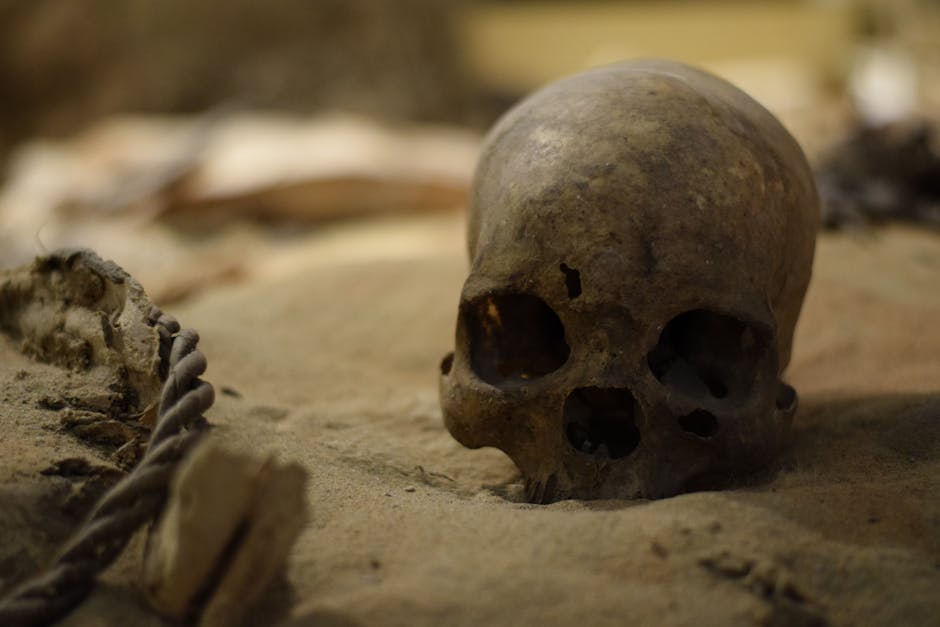
In 897 CE, Pope Stephen VI ordered the exhumation of his predecessor, Pope Formosus, who had been dead for nine months. The decomposed corpse was dressed in papal vestments, propped up on a throne, and put on trial for perjury and violating canon law. A deacon was appointed to answer charges on behalf of the deceased pope. Formosus was found guilty, his papal decrees were declared null, and his corpse was stripped of its vestments. The body was eventually thrown into the Tiber River. This macabre event, known as the Cadaver Synod, shocked even medieval sensibilities and led to Pope Stephen VI’s eventual imprisonment and strangulation.
5. The Molasses Flood of 1919
On January 15, 1919, a massive storage tank containing over two million gallons of molasses burst in Boston’s North End neighborhood. A 25-foot wave of sticky molasses surged through the streets at approximately 35 miles per hour, destroying buildings and elevated train tracks. The disaster killed 21 people and injured 150 others. Witnesses reported that the ground shook like an earthquake, and the cleanup took weeks as the molasses hardened in the winter cold. This bizarre tragedy led to significant changes in engineering standards and corporate liability laws in the United States.
6. The Voluntary Human Extinction Movement’s Historical Precedent
In the 18th century, a Christian sect called the Shakers practiced complete celibacy, believing that sexual intercourse was the original sin. Despite this belief ensuring their eventual extinction, the movement grew to approximately 6,000 members at its peak through conversion and adoption of orphans. Communities thrived for decades, making significant contributions to furniture design and agricultural innovation. The contradiction between their lifestyle choice and survival instinct created one of history’s most unusual social experiments, with only a handful of Shakers remaining today.
7. The Great Stink of 1858
During the summer of 1858, London experienced an environmental crisis so severe that Parliament considered relocating the government. The River Thames had become an open sewer, and unusually hot weather caused the smell to become unbearable throughout the city. Curtains soaked in chloride of lime were hung in Parliament’s windows, and lawmakers fled the chambers to escape the stench. This olfactory disaster finally motivated officials to modernize London’s sewer system, with engineer Joseph Bazalgette designing an infrastructure network still in use today. The Great Stink proved that sometimes it takes a truly revolting crisis to inspire necessary change.
8. Ignaz Semmelweis and the Rejection of Hand-Washing
In the 1840s, Hungarian physician Ignaz Semmelweis discovered that hand-washing with chlorinated lime solution dramatically reduced maternal mortality rates in hospitals. Despite clear statistical evidence, the medical establishment rejected and ridiculed his findings. Doctors were offended by the suggestion that they were unclean or responsible for patient deaths. Semmelweis was eventually committed to an asylum, where he died from infections caused by beatings from guards. Only after his death did the medical community accept germ theory and hand-washing protocols, making this one of history’s most tragic cases of scientific resistance.
9. The London Beer Flood of 1814
On October 17, 1814, a massive vat containing over 135,000 gallons of beer ruptured at the Meux and Company Brewery in London. The explosion caused a domino effect, bursting other vats and releasing more than 388,000 gallons of beer into the surrounding streets. The wall of beer demolished two houses and killed eight people, mostly from drowning or injuries from debris. Rescue efforts were hampered by crowds attempting to collect free beer. The brewery was ultimately not held responsible, as the incident was ruled an “Act of God,” highlighting the different legal standards of the era.
10. The Tanganyika Laughter Epidemic of 1962
In January 1962, three girls at a boarding school in Tanganyika (now Tanzania) started laughing uncontrollably. The laughter spread throughout the school, affecting 95 students with episodes lasting from hours to days. The school was forced to close. The contagion spread to other schools and villages, eventually affecting approximately 1,000 people over eighteen months. Symptoms included uncontrollable laughter, crying, fainting, and respiratory problems. Medical experts concluded it was a case of mass psychogenic illness triggered by stress, demonstrating how psychological factors can manifest in extraordinary physical symptoms across entire communities.
Conclusion
These ten bizarre historical events remind us that history is far stranger than typical textbooks suggest. From military defeats by flightless birds to deadly floods of molasses and beer, from dancing plagues to corpse trials, these incidents reveal the unpredictable nature of human civilization. They demonstrate that our ancestors faced challenges and created situations just as absurd as anything in modern times. While these events may seem humorous or shocking from our contemporary perspective, they offer valuable lessons about human nature, scientific progress, and the importance of learning from the past—no matter how peculiar it may be. Understanding these oddities enriches our appreciation for history’s complexity and reminds us that truth is often stranger than fiction.
