



















1 / 20 Questions
0 Points

What is the traditional number of ingredients in a Christmas pudding?

15 ingredients

11 ingredients

13 ingredients

7 ingredients

Points won
0
Correct score
0%

More Articles

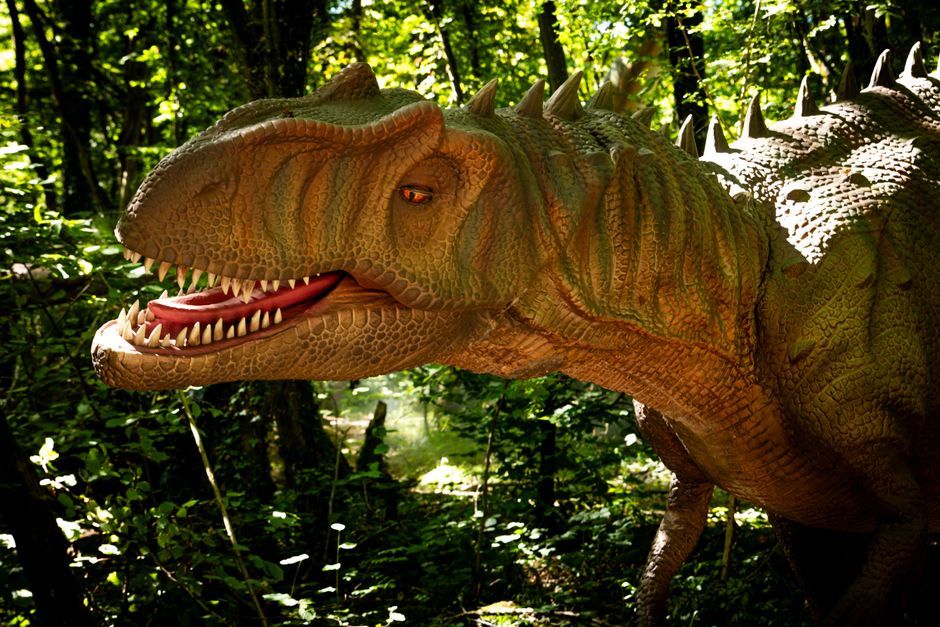
Did You Know? 15 Facts About Extinct Animals

Did You Know? 15 Facts About Extinct Animals

⏱️ 6 min read

Did You Know? 15 Fascinating Facts About Extinct Animals

The history of life on Earth is filled with remarkable creatures that once roamed our planet but have since vanished forever. Extinction is a natural part of evolution, yet each lost species represents a unique chapter in our planet's biological story. From massive predators to peculiar island dwellers, extinct animals continue to captivate our imagination and teach us valuable lessons about biodiversity, adaptation, and conservation. Here are fifteen intriguing facts about extinct animals that illuminate the wonder and tragedy of species loss.

1. The Dodo Wasn't Actually Stupid

Contrary to popular belief, the dodo bird was not unintelligent. This flightless bird from Mauritius had no natural predators before humans arrived, so it had no reason to fear approaching creatures. The dodo went extinct around 1662, less than a century after European sailors first encountered it. Its apparent "stupidity" was simply a lack of evolutionary pressure to develop fear responses.

2. Woolly Mammoths and the Great Pyramids Coexisted

While most woolly mammoths died out around 10,000 years ago, a small population survived on Wrangel Island in the Arctic Ocean until approximately 2000 BCE. This means these magnificent creatures were still alive when the ancient Egyptians were building the Great Pyramid of Giza, offering a fascinating overlap between prehistoric megafauna and human civilization.

3. The Tasmanian Tiger Was Actually a Marsupial

Despite its common name and dog-like appearance, the thylacine or Tasmanian tiger was not related to tigers or dogs. This carnivorous marsupial carried its young in a pouch like a kangaroo. The last known thylacine died in captivity in 1936, making it one of the most recently extinct large predators. Its unique evolutionary path made it a remarkable example of convergent evolution.

4. Passenger Pigeons Darkened the Sky

The passenger pigeon was once the most abundant bird in North America, with populations estimated at three to five billion individuals. Flocks were so massive that they could take hours to pass overhead and literally blocked out sunlight. Despite these enormous numbers, relentless hunting and habitat destruction drove the species to extinction by 1914, when the last individual, Martha, died at the Cincinnati Zoo.

5. Giant Ground Sloths Were Larger Than Elephants

Megatherium, the giant ground sloth that lived in South America until about 10,000 years ago, could reach up to 20 feet in length when standing on its hind legs and weighed approximately four tons. These herbivorous giants were one of the largest land mammals ever to exist, dwarfing modern elephants in certain dimensions.

6. The Quagga Was a Half-Striped Zebra

The quagga, a subspecies of the plains zebra, displayed stripes only on the front half of its body, with its rear being solid brown. Native to South Africa, it was hunted to extinction by the late 19th century, with the last wild individual killed in 1878. Interestingly, modern scientists have initiated breeding programs attempting to recreate the quagga's distinctive appearance through selective breeding.

7. Megalodon Had Teeth the Size of Human Hands

The prehistoric shark Megalodon possessed teeth that measured up to seven inches in length, roughly the size of an adult human hand. This apex predator ruled the oceans between 23 and 3.6 million years ago and could grow to lengths of 60 feet or more, making it one of the most formidable marine predators ever to exist.

8. The Irish Elk Had the Largest Antlers of Any Deer

Despite its name, the Irish elk was neither exclusively Irish nor an elk—it was actually the largest deer species ever to exist. Its antlers could span up to 12 feet across and weigh approximately 90 pounds. These massive antlers may have contributed to the species' extinction around 7,700 years ago, as they required enormous energy to grow and made movement through forests difficult.

9. Steller's Sea Cow Was Discovered and Extinct Within 27 Years

This massive marine mammal, growing up to 30 feet long, was first described by Europeans in 1741. Hunted extensively for its meat, fat, and hide, Steller's sea cow was completely wiped out by 1768, making it one of the fastest human-caused extinctions on record. It was a peaceful herbivore that inhabited the frigid waters around the Commander Islands in the Bering Sea.

10. Dinosaurs Dominated Earth for 165 Million Years

Non-avian dinosaurs ruled the planet for an extraordinarily long period—approximately 165 million years during the Mesozoic Era. In comparison, modern humans have existed for only about 300,000 years. This immense timespan allowed dinosaurs to diversify into countless forms, from tiny feathered species to the largest land animals ever known.

11. The Great Auk Was the Original Penguin

The great auk, a flightless seabird from the North Atlantic, was actually the original "penguin"—the name was first applied to this species before being transferred to Southern Hemisphere birds. Standing about 30 inches tall, these birds were hunted to extinction by the mid-1800s, with the last confirmed pair killed in Iceland in 1844.

12. Sabre-Toothed Cats Had 11-Inch Canines

Smilodon, the famous sabre-toothed cat, possessed curved canine teeth that could reach up to 11 inches in length. These impressive predators roamed the Americas until about 10,000 years ago. Their powerful build and specialized teeth were adapted for taking down large prey, though their exact hunting strategies remain debated among paleontologists.

13. The Moa Birds Stood 12 Feet Tall

New Zealand's giant moa birds were among the tallest birds ever to exist, with some species reaching heights of 12 feet and weighing up to 500 pounds. These flightless herbivores had no natural predators until humans arrived in New Zealand around 1300 CE. Within 200 years, all nine species of moa were hunted to extinction.

14. Cave Bears Weighed Over 1,500 Pounds

The cave bear, which inhabited Europe during the Ice Age, was significantly larger than modern bears, with males weighing up to 1,500 pounds or more. Despite their intimidating size, evidence suggests they were primarily herbivorous. Climate change and human competition for cave dwellings contributed to their extinction approximately 24,000 years ago.

15. The Gastric-Brooding Frog Raised Babies in Its Stomach

Perhaps one of the most unusual extinct animals, the gastric-brooding frog of Australia had a unique reproductive strategy: females swallowed their fertilized eggs and raised tadpoles in their stomachs, giving birth through their mouths. This remarkable species was discovered in 1972 and declared extinct by 1983, disappearing before scientists could fully study its extraordinary biology.

Conclusion

These fifteen facts about extinct animals reveal the incredible diversity of life that has existed on Earth and the fragility of even the most abundant or formidable species. From the recently extinct thylacine to ancient giants like Megalodon, each species represents an irreplaceable loss to our planet's biological heritage. Understanding these extinctions helps us appreciate the importance of conservation efforts today, reminding us that current biodiversity is precious and worth protecting. The stories of these vanished creatures serve as both a window into Earth's past and a warning about the consequences of habitat destruction, overhunting, and environmental change.

Top 10 Hidden Secrets from the Middle Ages

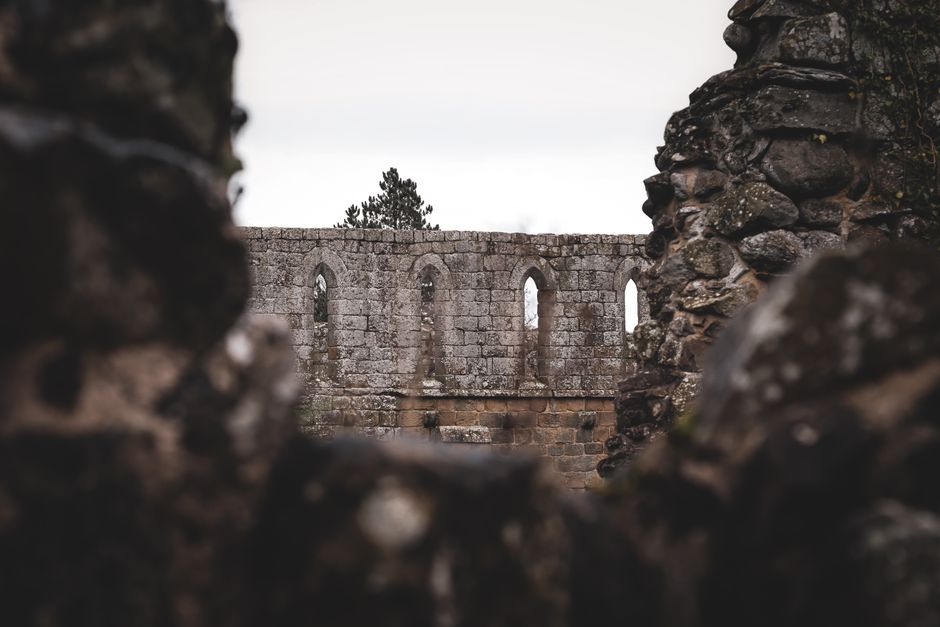
Top 10 Hidden Secrets from the Middle Ages

⏱️ 6 min read

Top 10 Hidden Secrets from the Middle Ages

The Middle Ages, spanning roughly from the 5th to the 15th century, remains one of history's most fascinating yet misunderstood periods. Beyond the common knowledge of knights, castles, and feudalism, this era harbored numerous secrets that challenge our modern perceptions. From advanced engineering techniques to surprising social customs, the medieval world was far more complex and sophisticated than popular culture often portrays. This article unveils ten remarkable hidden secrets from the Middle Ages that reveal the ingenuity, wisdom, and unexpected progressiveness of medieval society.

1. Medieval Surgeons Performed Complex Brain Surgery

Contrary to popular belief that medieval medicine was primitive, archaeological evidence reveals that medieval surgeons successfully performed trepanation—drilling holes into the skull to treat brain injuries and diseases. Skeletal remains from the period show clear signs of bone regrowth around surgical sites, indicating that patients survived these procedures. Medical texts from the era detail sophisticated techniques for managing intracranial pressure, removing bone fragments, and treating head trauma. Some patients survived multiple procedures, demonstrating a level of surgical skill that rivals modern expectations of medieval capabilities.

2. The Secret of Flexible Swords

Medieval blacksmiths possessed metallurgical knowledge that remained mysterious for centuries. They created swords with remarkable flexibility and strength through a process called pattern welding, which involved forge-welding different types of iron and steel together. The secret lay in their understanding of carbon content and heat treatment, producing blades that could bend significantly without breaking or losing their edge. This knowledge was closely guarded by guilds and passed down only through apprenticeships, making it one of the most protected industrial secrets of the age.

3. Women Owned Businesses and Property

While medieval society is often portrayed as universally oppressive to women, the reality was more nuanced. In many medieval cities, women operated businesses, owned property, and joined guilds. Female brewers, known as alewives, dominated the brewing industry until the late Middle Ages. Women also worked as merchants, money lenders, and artisans. Widows frequently inherited and successfully managed their late husbands' businesses. Court records and guild documents reveal that women had more economic independence and legal rights than commonly assumed, particularly in urban centers.

4. The Sophisticated Medieval Water Management System

Medieval engineers designed and constructed elaborate water management systems that served large populations. Cities like London, Paris, and Cologne had underground aqueducts, public fountains, and even primitive sewage systems. Monasteries developed complex hydraulic systems that powered mills, flushed latrines, and supplied fresh water to different buildings through lead pipes. These systems demonstrated advanced understanding of hydraulic engineering, water pressure, and public health concerns that wouldn't be fully appreciated again until the 19th century.

5. The Lost Art of Roman Concrete Was Partially Preserved

While the exact formula for Roman concrete was lost after the Empire's fall, medieval builders preserved and adapted some techniques. They used pozzolanic materials—volcanic ash and certain types of clay—mixed with lime to create durable mortar for cathedral construction. Some medieval structures have survived centuries with minimal deterioration because builders unknowingly replicated aspects of Roman concrete technology. The construction of massive cathedrals required sophisticated understanding of materials science that modern researchers are only now beginning to fully appreciate.

6. Medieval People Bathed Regularly

The myth that medieval people never bathed is thoroughly debunked by historical records. Public bathhouses were common in medieval towns and cities, with some larger cities having dozens of establishments. People bathed regularly, and cleanliness was generally valued, though standards differed by social class. Medieval texts provide recipes for soap, perfumes, and tooth-cleaning powders. The stereotype of unwashed masses emerged later, partly from Protestant propaganda against communal bathing and partly from Victorian historians misinterpreting medieval texts.

7. Secret Passageways in Castles Served Multiple Purposes

Castle architecture included hidden passages and rooms that served functions beyond the romantic notion of escape routes. These spaces housed servants who moved through walls to tend fireplaces, deliver meals, and perform duties while remaining invisible to nobility. Some passages provided discrete access for priests hearing confessions or conducting private religious rites. Others concealed treasuries, armories, or storage for valuable goods. These architectural secrets reflected the complex social hierarchies and security concerns of medieval castle life.

8. Medieval Manuscripts Contained Hidden Texts

Parchment was expensive in the Middle Ages, leading scribes to scrape off earlier texts and reuse the material—a practice called palimpsesting. Modern technology using ultraviolet light and multispectral imaging has revealed hidden texts beneath visible writing in medieval manuscripts. These palimpsests have uncovered lost classical works, earlier versions of known texts, and unique historical documents. Some manuscripts contain multiple layers of writing, creating a archaeological record of literary history within a single book.

9. The Medieval Postal System Was Remarkably Efficient

Medieval Europe had surprisingly sophisticated communication networks. Monastic orders maintained regular correspondence across vast distances. Universities had organized systems for exchanging letters and documents between institutions. Royal administrations operated courier services with relay stations, enabling messages to travel quickly across kingdoms. Merchant guilds established their own postal networks for business communications. A letter could travel from London to Rome in as little as two weeks under good conditions, demonstrating organizational capabilities that belie the era's primitive reputation.

10. Medieval Astronomers Predicted Eclipses Accurately

Medieval scholars, building on classical and Islamic astronomical knowledge, could predict solar and lunar eclipses with remarkable precision. They used sophisticated mathematical tables and instruments like astrolabes to calculate celestial movements. Universities taught advanced astronomy, and scholars understood that the Earth was spherical—the flat Earth myth is largely a modern misconception. Medieval astronomers' calculations were accurate enough that chronicles correctly predicted and recorded eclipse dates, demonstrating advanced mathematical and observational capabilities that challenged later assumptions about medieval scientific ignorance.

Conclusion

These ten hidden secrets from the Middle Ages reveal a period far more sophisticated, innovative, and complex than popular stereotypes suggest. From advanced surgical techniques and metallurgy to women's economic participation and scientific knowledge, medieval society demonstrated remarkable capabilities across multiple domains. The engineering prowess evident in water management systems and castle architecture, the preservation of ancient knowledge in manuscripts and concrete formulations, and the organizational sophistication of communication networks all challenge simplistic narratives about the "Dark Ages." Understanding these secrets not only corrects historical misconceptions but also provides valuable insights into human ingenuity and adaptability. The Middle Ages were not a period of universal darkness but rather an era of significant, if often overlooked, achievements that laid foundations for later European development. By uncovering these hidden aspects of medieval life, we gain a more accurate and appreciative understanding of this pivotal period in human history.