
⏱️ 5 min read
Did You Know? 15 Facts About Oscar-Winning Films
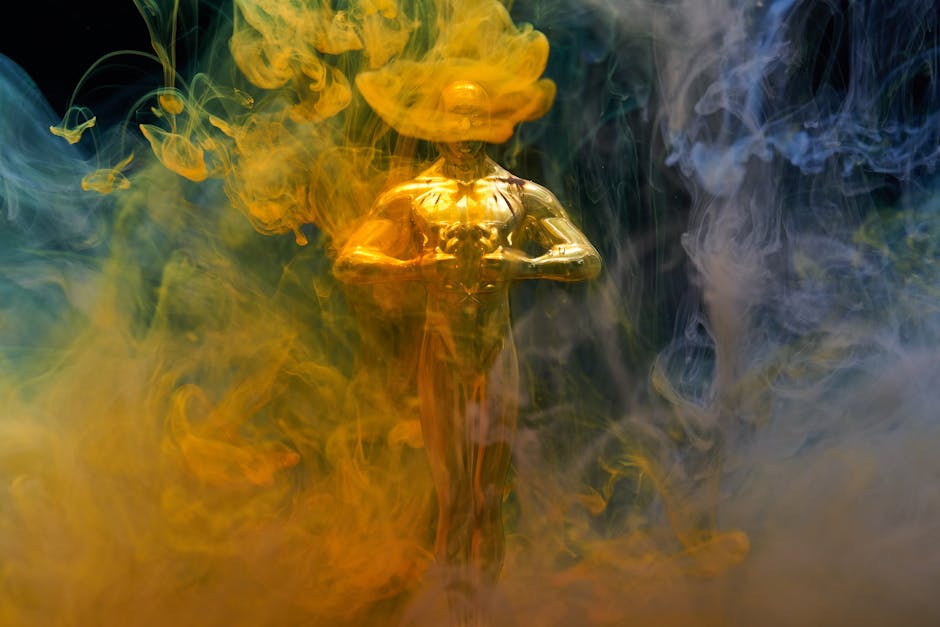
The Academy Awards, commonly known as the Oscars, represent the pinnacle of achievement in cinema. Since the first ceremony in 1929, the Oscars have celebrated exceptional filmmaking, memorable performances, and groundbreaking technical achievements. Behind the glamour and golden statuettes lie fascinating stories, surprising records, and remarkable trivia that even devoted film enthusiasts might not know. Here are 15 captivating facts about Oscar-winning films that showcase the rich history and unexpected quirks of Hollywood’s most prestigious honor.
1. The Shortest Best Picture Winner
“Marty” (1955) holds the distinction of being the shortest film ever to win Best Picture, with a runtime of just 90 minutes. This intimate character study proved that epic length isn’t necessary for epic recognition, demonstrating that powerful storytelling can triumph regardless of duration.
2. The Three-Hour Rule Breakers
Only a handful of films exceeding three hours have won Best Picture, including “Gone with the Wind” (1939), “Lawrence of Arabia” (1962), “The Godfather Part II” (1974), “Schindler’s List” (1993), and “The Lord of the Rings: The Return of the King” (2003). These cinematic marathons proved that audiences would invest time in truly exceptional storytelling.
3. The Clean Sweep Champion
“The Lord of the Rings: The Return of the King” achieved an unprecedented feat by winning all 11 categories for which it was nominated, tying with “Ben-Hur” (1959) and “Titanic” (1997) for the most Oscar wins by a single film. However, it remains the only film to win every nomination it received.
4. The Foreign Language Barrier Breaker
“Parasite” (2019) made history as the first non-English language film to win Best Picture. The South Korean thriller also became the first film to win both Best Picture and Best International Feature Film in the same year, marking a watershed moment for international cinema recognition.
5. The Posthumous Picture
Only one Best Picture winner was produced by someone who never lived to see their victory. “The Greatest Show on Earth” (1952) was produced by Cecil B. DeMille, though he was alive at the time. However, several producers have won posthumously for their work on films released after their deaths.
6. The Sequel Success Story
“The Godfather Part II” (1974) stands as the first sequel to win Best Picture, and for decades remained the only one until “The Lord of the Rings: The Return of the King” achieved the same feat in 2003. This rarity underscores how difficult it is for sequels to match or exceed their predecessors’ critical acclaim.
7. The Silent Film Swan Song
“Wings” (1927) was the first film to win the Academy Award for Outstanding Picture, as Best Picture was originally titled. “The Artist” (2011) became the first silent film to win Best Picture since the 1920s, proving that innovative approaches to filmmaking can still captivate modern audiences and Academy voters.
8. The Rating Revelation
Only one X-rated film has ever won Best Picture: “Midnight Cowboy” (1969). The film was later re-rated to R without any cuts, as standards for the X rating had evolved. This remains a unique achievement in Oscar history, reflecting a brief period when the Academy embraced more controversial material.
9. The Animation Achievement
No animated film has ever won Best Picture, though “Beauty and the Beast” (1991) was the first to be nominated, and “Up” (2009) and “Toy Story 3” (2010) followed. The separate Best Animated Feature category, introduced in 2001, may have inadvertently reduced animated films’ chances in the main category.
10. The Horror Genre Gap
“The Silence of the Lambs” (1991) is the only horror film to win Best Picture. It’s also one of only three films to win the “Big Five” Oscars: Best Picture, Director, Actor, Actress, and Screenplay, alongside “It Happened One Night” (1934) and “One Flew Over the Cuckoo’s Nest” (1975).
11. The Musical Dominance Era
During the 1960s, musicals dominated the Best Picture category, with “West Side Story” (1961), “My Fair Lady” (1964), “The Sound of Music” (1965), and “Oliver!” (1968) all taking home the top prize. This concentration reflects the genre’s immense popularity during that decade.
12. The Box Office Disconnect
“The Hurt Locker” (2008) holds the distinction of being the lowest-grossing film domestically to win Best Picture, earning just $17 million at the U.S. box office. This demonstrates that commercial success and critical acclaim don’t always align, and the Academy sometimes champions smaller, overlooked films.
13. The Remake Rarity
“The Departed” (2006) is the first remake to win Best Picture, adapted from the Hong Kong film “Internal Affairs” (2002). Despite Hollywood’s love of remakes, this achievement remains singular, suggesting the Academy generally favors original works over reimagined stories.
14. The Tie That Never Was
There has never been a tie for Best Picture in Oscar history. While ties have occurred in other categories, the preferential ballot system used for Best Picture makes a tie mathematically improbable, ensuring a clear winner each year.
15. The Shakespeare Dominance
“Shakespeare in Love” (1998) controversially beat “Saving Private Ryan” for Best Picture, and numerous Shakespeare adaptations have won in various categories. However, “West Side Story,” loosely based on Romeo and Juliet, remains the only Shakespeare-inspired story to win Best Picture, demonstrating the Bard’s enduring but selective influence on Oscar winners.
Conclusion
These 15 facts reveal that Oscar-winning films represent far more than just excellent cinema—they embody cultural moments, break barriers, and sometimes defy expectations. From runtime extremes to genre-breaking achievements, from international recognition to controversial victories, Best Picture winners reflect both the evolution of filmmaking and the changing values of the Academy. Whether setting records, making history, or simply surprising audiences with unexpected victories, these Oscar-winning films continue to shape our understanding of cinematic excellence. As the Academy Awards continue to evolve, future winners will undoubtedly add new chapters to this fascinating collection of Hollywood history.
