



















⏱️ 7 min read
Did You Know? 15 Facts About Extinct Animals
Throughout Earth's history, countless species have come and gone, leaving behind only fossils, bones, and stories of their existence. Extinction is a natural part of evolution, yet understanding the animals we've lost provides valuable insights into biodiversity, ecosystem dynamics, and the consequences of environmental change. From massive prehistoric creatures to animals that vanished in recent centuries, the following fifteen facts reveal fascinating details about extinct animals that once roamed our planet.
1. The Dodo Bird Was Not Actually Stupid
Contrary to popular belief, the dodo bird from Mauritius was not unintelligent. This flightless bird became extinct around 1681, approximately 100 years after humans first arrived on the island. The dodo evolved without natural predators, which made it fearless rather than foolish. Its extinction resulted from human hunting, habitat destruction, and invasive species introduced by sailors, including rats, pigs, and monkeys that ate dodo eggs.
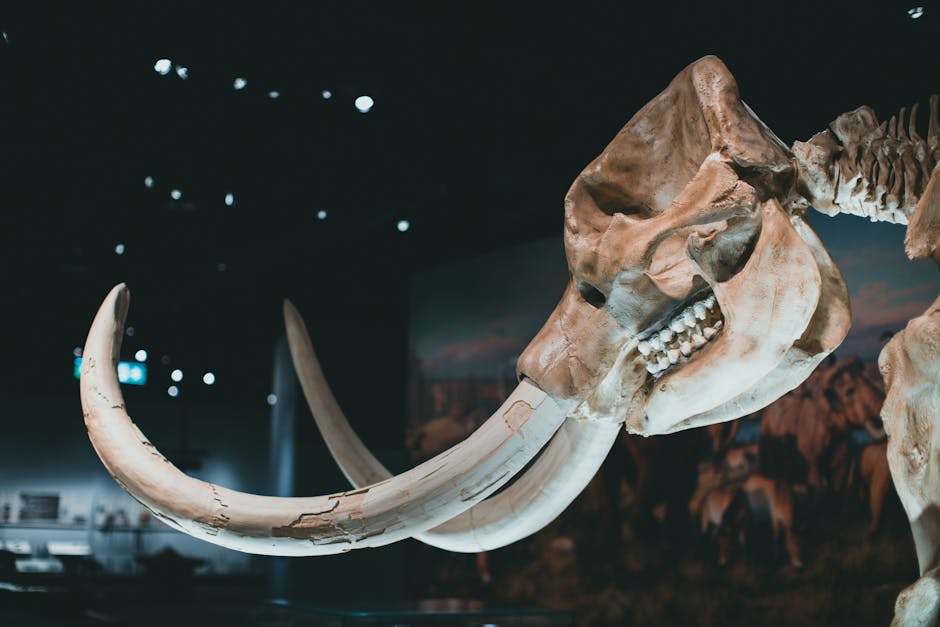
2. Woolly Mammoths Lived During the Egyptian Pyramids
While most woolly mammoths died out around 10,000 years ago, a small population survived on Wrangel Island in the Arctic Ocean until approximately 2000 BCE. This means these magnificent creatures were still alive when the Great Pyramid of Giza was being constructed, challenging our perception of mammoths as exclusively prehistoric animals.
3. The Tasmanian Tiger Was Neither Tiger Nor Wolf
The thylacine, commonly known as the Tasmanian tiger or Tasmanian wolf, was actually a marsupial, more closely related to kangaroos than to any canine or feline species. The last known thylacine died in captivity at Hobart Zoo in Tasmania in 1936. This carnivorous marsupial had a distinctive striped back and could open its jaws to an extraordinary 120-degree angle.
4. Passenger Pigeons Darkened the Sky in Billions
In the early 1800s, passenger pigeons were arguably the most abundant bird species on Earth, with populations estimated between three to five billion individuals. Migration flocks were so massive they could take hours or even days to pass overhead, literally darkening the sky. Despite their incredible numbers, the last passenger pigeon, named Martha, died in the Cincinnati Zoo in 1914, marking one of the most dramatic extinctions in recorded history.
5. Megalodons Had Teeth the Size of Human Hands
The megalodon, a prehistoric shark that went extinct approximately 3.6 million years ago, was one of the most powerful predators ever to exist. This massive shark could grow up to 60 feet in length, with teeth measuring over seven inches long. Scientists estimate that megalodons had a bite force exceeding 40,000 pounds per square inch, making it one of the strongest bites in animal history.
6. The Quagga Was Half Zebra, Half Horse in Appearance
The quagga, a subspecies of plains zebra, displayed stripes only on the front portion of its body, while its rear was solid brown. Native to South Africa, the quagga was hunted to extinction by the 1880s for its hide and to preserve grazing land for domesticated animals. Interestingly, modern scientists have attempted to selectively breed zebras to recreate the quagga's distinctive appearance through the Quagga Project.
7. Giant Ground Sloths Were Larger Than Elephants
Megatherium, the giant ground sloth that inhabited South America until about 10,000 years ago, could grow up to 20 feet long and weigh four tons. Unlike their modern tree-dwelling descendants, these massive creatures walked on their hind legs and could stand upright to reach vegetation. They possessed enormous claws that measured up to a foot in length.
8. The Steller's Sea Cow Was Discovered and Extinct Within 27 Years
Georg Wilhelm Steller first documented the Steller's sea cow in 1741 near the Commander Islands in the Bering Sea. This massive marine mammal, growing up to 30 feet long and weighing up to 11 tons, was hunted to extinction by 1768. The sea cow was completely tame and slow-moving, making it an easy target for sailors seeking meat and fat.
9. Irish Elk Had the Largest Antlers of Any Known Deer
Despite its name, the Irish elk was neither exclusively Irish nor an elk—it was the largest deer species ever to exist. Males carried massive antlers spanning up to 12 feet across and weighing approximately 90 pounds. These magnificent creatures went extinct around 7,700 years ago, likely due to climate change and human hunting pressure.
10. The Great Auk Was the Original Penguin
The great auk, a flightless seabird of the North Atlantic, was actually the original bird to be called a "penguin." When European explorers later encountered similar-looking birds in the Southern Hemisphere, they applied the same name, which is why modern penguins carry this designation. The last confirmed pair of great auks was killed in Iceland in 1844.
11. Saber-Toothed Cats Had Fragile Teeth
The iconic saber-toothed cat, particularly Smilodon, possessed canine teeth that could grow over seven inches long. However, these impressive weapons were relatively fragile and could break if used incorrectly. Scientists believe these predators used precision bites to the throat or soft underbelly of prey rather than struggling with victims, as their teeth couldn't withstand excessive force or twisting.
12. The Moa Birds Were Hunted by Giant Eagles
Moas were massive flightless birds native to New Zealand, with the largest species standing up to 12 feet tall. Before human arrival, their primary predator was the Haast's eagle, the largest eagle ever known, with a wingspan exceeding 10 feet. Both species went extinct following human colonization of New Zealand, with the moa disappearing around 1400 CE and the eagle shortly after, having lost its primary food source.
13. Carolina Parakeets Were America's Only Native Parrot
The Carolina parakeet was the only parrot species native to the eastern United States, known for its brilliant green, yellow, and orange plumage. These social birds lived in large, noisy flocks and were declared extinct in 1939. Their downfall came from habitat destruction, hunting for their colorful feathers, and persecution by farmers who considered them pests.
14. Glyptodon Was an Ancient Armadillo the Size of a Car
Glyptodon was a prehistoric relative of modern armadillos that lived in South America until about 10,000 years ago. These creatures could grow up to 11 feet long and weigh nearly 4,400 pounds. They possessed a thick, dome-shaped protective shell composed of more than 1,000 bony plates and a heavily armored tail that some species could use as a defensive club.
15. The Baiji River Dolphin Was Declared Functionally Extinct in 2006
The baiji, or Yangtze River dolphin, represents one of the most recent extinctions of a large vertebrate species. This unique freshwater dolphin, endemic to China's Yangtze River, was declared functionally extinct in 2006 after an extensive survey failed to locate any individuals. The baiji's extinction resulted from pollution, boat traffic, overfishing, and dam construction that fragmented its habitat.
Conclusion
These fifteen facts about extinct animals illustrate the incredible diversity of life that has existed on Earth and the fragility of species in the face of environmental change and human activity. From the massive megalodon prowling prehistoric seas to the recent loss of the baiji dolphin, extinction has shaped and continues to shape our planet's biodiversity. While natural extinction is part of evolutionary processes, the accelerating rate of human-caused extinctions serves as a sobering reminder of our impact on the natural world. Understanding these lost species helps us appreciate the importance of conservation efforts and the need to protect the remarkable animals that remain with us today. Each extinct species represents not just a lost form of life, but an irreplaceable thread in the complex tapestry of Earth's ecological history.