
⏱️ 6 min read
20 Mind-Blowing Facts About the Amazon Rainforest
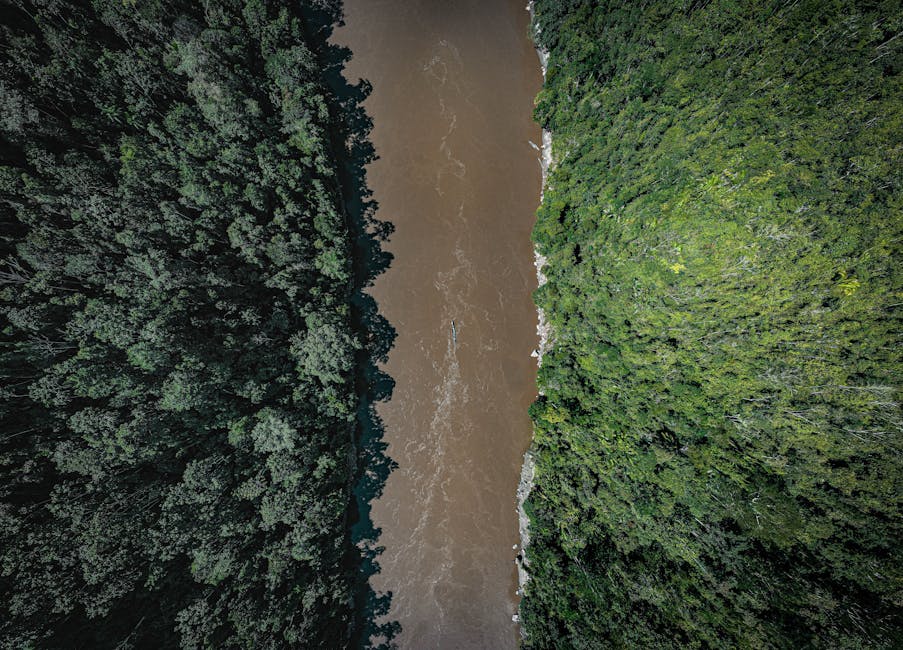
The Amazon Rainforest stands as one of Earth’s most extraordinary natural wonders, stretching across South America like a vast green ocean of life. This incredible ecosystem, often called the “lungs of the Earth,” harbors secrets and statistics that continue to astound scientists and nature enthusiasts alike. From its unparalleled biodiversity to its crucial role in global climate regulation, the Amazon presents a treasure trove of fascinating facts that reveal just how remarkable this rainforest truly is.
1. The Amazon Spans Multiple Countries
The Amazon Rainforest covers approximately 5.5 million square kilometers across nine South American nations. While Brazil contains about 60% of the forest, it also extends into Peru, Colombia, Venezuela, Ecuador, Bolivia, Guyana, Suriname, and French Guiana. This massive territory makes it larger than the entire European Union.
2. Home to One in Ten Known Species
The Amazon houses an estimated 10% of all species on Earth. Scientists have identified approximately 40,000 plant species, 1,300 bird species, 3,000 types of fish, 430 mammals, and an astonishing 2.5 million different insect species. Many species remain undiscovered, with new ones being identified regularly.
3. The Amazon River’s Incredible Length
The Amazon River, which flows through the rainforest, stretches approximately 6,400 kilometers, making it either the longest or second-longest river in the world, depending on measurement methods. It discharges more water than the next seven largest rivers combined, releasing roughly 209,000 cubic meters of water per second into the Atlantic Ocean.
4. Oxygen Production Myth
Contrary to popular belief, the Amazon doesn’t produce 20% of Earth’s oxygen. While the forest does generate significant oxygen through photosynthesis, it consumes nearly all of it through respiration and decomposition. The ocean’s phytoplankton actually produces most of our oxygen.
5. Carbon Storage Powerhouse
The Amazon stores between 150 and 200 billion tons of carbon in its biomass and soil. This massive carbon reservoir plays a critical role in regulating global climate patterns. When trees are cut down or burned, this stored carbon is released into the atmosphere as carbon dioxide, contributing to climate change.
6. Indigenous Communities
Approximately 400-500 indigenous tribes call the Amazon home, with about 50 tribes having no contact with the outside world. These communities possess invaluable knowledge about the forest’s medicinal plants and sustainable living practices accumulated over thousands of years.
7. Medicinal Plant Treasure
Over 80% of the world’s food varieties originated in tropical rainforests, and the Amazon provides ingredients for approximately 25% of all modern pharmaceuticals. Scientists estimate that less than 1% of the Amazon’s plant species have been studied for their medicinal properties.
8. The Canopy Layer System
The Amazon’s forest structure consists of four distinct layers: the emergent layer reaching up to 60 meters high, the canopy layer forming a continuous roof at 30-45 meters, the understory with limited sunlight, and the dark forest floor. Each layer hosts unique ecosystems and species adapted to specific conditions.
9. Rainfall Recycling
The Amazon generates approximately 50% of its own rainfall through evapotranspiration. Trees release water vapor through their leaves, which forms clouds and produces rain, creating a self-sustaining water cycle. This process influences weather patterns across South America and beyond.
10. Deforestation Crisis
Since 1970, approximately 20% of the original Amazon forest has been destroyed, with an area equivalent to one football field disappearing every single minute. The primary drivers include cattle ranching, agriculture, logging, and infrastructure development.
11. The Pink River Dolphin
The Amazon River dolphin, also known as the boto, is one of only seven freshwater dolphin species worldwide. These remarkable creatures can grow up to 2.5 meters long and actually turn pinker as they age, with males displaying brighter coloration than females.
12. Floating Forests
Várzea forests in the Amazon spend up to seven months per year flooded, with water levels rising up to 12 meters during the rainy season. Trees and wildlife have evolved remarkable adaptations to survive these dramatic seasonal changes.
13. The Boiling River
Deep in the Peruvian Amazon flows the Shanay-Timpishka, known as the “Boiling River,” where water temperatures reach up to 91 degrees Celsius. This geothermal phenomenon spans approximately 6.4 kilometers and remains sacred to local indigenous communities.
14. Leafcutter Ant Superorganisms
Leafcutter ant colonies in the Amazon can contain up to 8 million individuals and create underground nests with thousands of chambers. These ants don’t eat the leaves they cut; instead, they use them to cultivate fungus gardens, which serve as their primary food source.
15. Ancient Human Settlements
Recent archaeological discoveries reveal that the Amazon supported sophisticated civilizations long before European contact. Terra preta, or “black earth,” found throughout the forest represents nutrient-rich soil created by pre-Columbian peoples, suggesting populations may have reached 5 million inhabitants.
16. The Kapok Tree Giants
Kapok trees, among the Amazon’s tallest, can reach heights of 70 meters and grow up to 3 meters in diameter. These emergent layer giants support entire ecosystems in their branches and provide seed pods filled with silky fibers once used for life jackets.
17. Poison Dart Frog Diversity
The Amazon hosts numerous poison dart frog species, with some carrying enough toxin to kill ten adult humans. Indigenous peoples have used these secretions for centuries to coat hunting arrows. Interestingly, captive-bred frogs lose their toxicity without their natural diet.
18. Meeting of Waters
Near Manaus, Brazil, the dark Rio Negro and the sandy-colored Amazon River flow side by side for approximately 6 kilometers without mixing, creating a striking visual phenomenon. This occurs due to differences in temperature, speed, and water density between the two rivers.
19. Jaguar Population Stronghold
The Amazon contains the largest concentration of jaguars in the world, though exact numbers remain unknown. These apex predators require vast territories, with males ranging across areas up to 150 square kilometers. They’re excellent swimmers and can even hunt caimans.
20. Global Weather Influence
The Amazon’s “flying rivers” transport water vapor across the continent through atmospheric currents, influencing rainfall patterns as far as Argentina and even affecting weather systems in North America. Scientists estimate these aerial rivers carry more water than the Amazon River itself.
Conclusion
These twenty remarkable facts only scratch the surface of the Amazon Rainforest’s complexity and importance. From its role as a biodiversity hotspot to its influence on global climate systems, the Amazon represents an irreplaceable natural treasure. Understanding these incredible aspects of the rainforest underscores the urgent need for its conservation. As deforestation continues threatening this vital ecosystem, recognizing the Amazon’s true value—not just for South America but for the entire planet—becomes increasingly critical. The future of this magnificent rainforest depends on global commitment to sustainable practices and protection efforts that honor both its ecological significance and the indigenous communities who have served as its guardians for millennia.
